
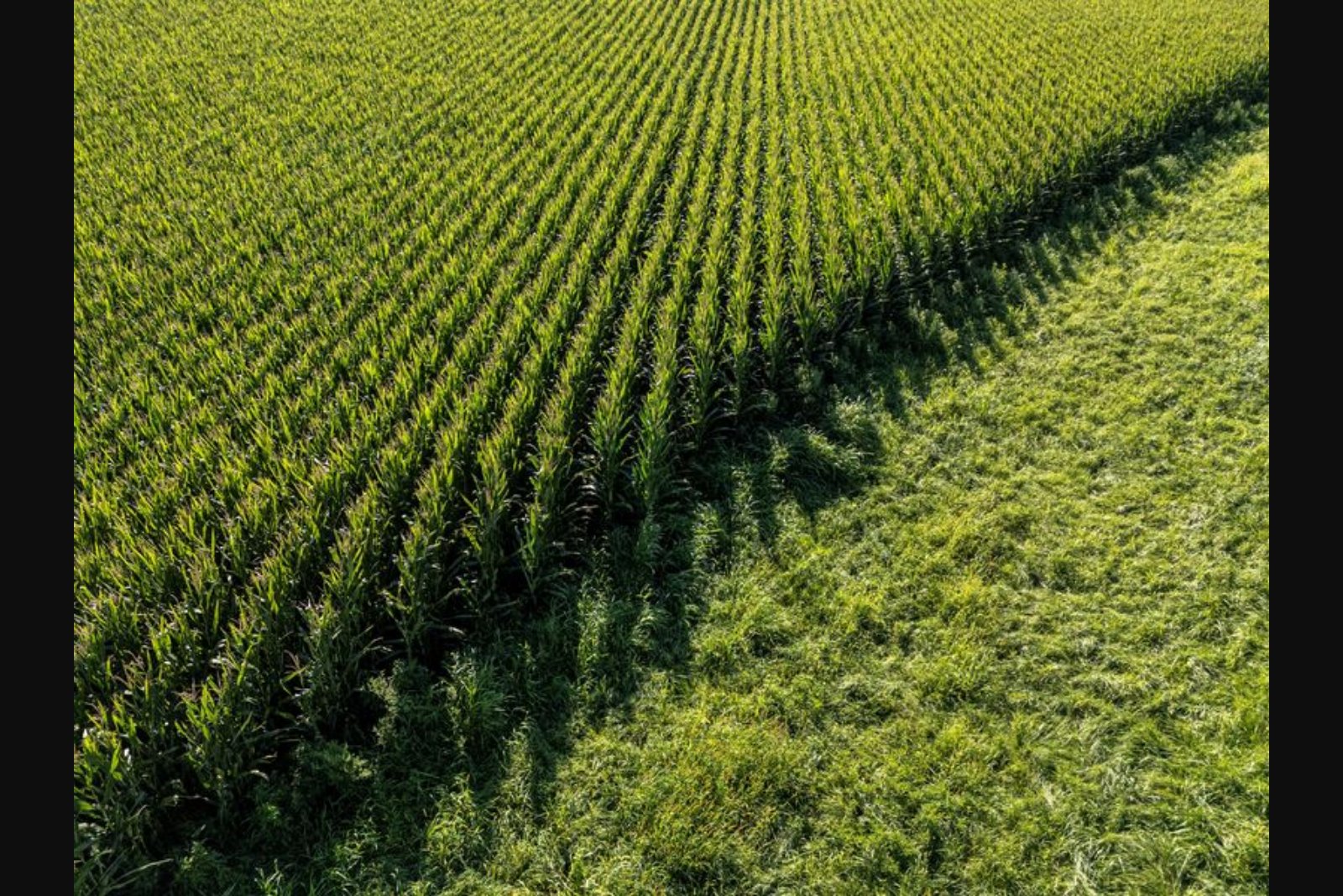
U.S. farmers, hammered by falling prices following last year’s record corn harvest, are set to pare back corn acreage only modestly in 2026 as many prepare for a fourth consecutive season of squeezed profits or outright losses. With demand holding up, growers across the Midwest see corn as the likeliest crop to approach break-even, while soybeans are viewed as riskier given rising competition and uncertain trade flows.
Planting intentions and the winter decision window
Decisions on what to plant in 2026 - choices largely made during the winter months - are the opening move in determining the volume of grain produced in the world’s largest corn-exporting nation and the second-largest soybean supplier after Brazil. Many farmers who rotate corn and soybeans across fields say they have some flexible acres they can allocate to either crop, and a substantial share of those acres are leaning toward corn.
Analysts surveyed by Reuters ahead of the U.S. Department of Agriculture’s annual outlook forum put projected corn plantings for 2026 at 94.9 million acres - down about 4% from last year’s 89-year high but still the second-most corn acres in 13 years. The same poll projected soybean plantings at 84.9 million acres, roughly in line with the 10-year average and up from the 81 million acres seeded in 2025, which was a six-year low.
Supply revisions and price pressure
The planting calculus this season is complicated by an unusual set of government revisions. In January, the USDA made unprecedented changes to its estimate of last season’s harvested corn acreage. Those adjustments, combined with larger-than-expected estimates of the 2025 corn yield and higher stocks on hand as of Dec. 1, exerted downward pressure on prices.
Still, despite the surplus and softer futures, an exceptionally large domestic use profile has helped support prices. U.S. farmers produced the largest corn crop in history last year, topping more than 17 billion bushels. That abundance filled grain storage and weighed on Chicago Board of Trade corn futures, but export sales at a record pace and steady demand from ethanol producers have provided a price floor as growers set acreage plans.
Price signals, break-even levels and market commentary
Even with higher input costs such as seed and fertilizer, CBOT December corn futures - which represent the 2026 harvest - are trading near $4.60 a bushel, levels close to farmers’ break-even calculations. “The market is signaling, ‘We don’t want you to cut too many corn acres.’ We don’t need as many as last year, but with today’s demand base, it’s not like we need a huge drop,” said Frayne Olson, an agricultural economist with North Dakota State University.
Why many farmers prefer corn
Corn typically produces more than three times the grain per acre compared with soybeans, meaning that a crop with a large national output can still yield higher revenue per acre for individual farmers even if it depresses prices. Last year’s national corn yield was the highest on record at 186.5 bushels per acre, and several states set records, including Minnesota and Nebraska, as well as more marginal Corn Belt states like North Dakota.
Growers such as Tim Gregerson in eastern Nebraska say soybeans are currently unattractive. “Right now, you absolutely cannot make money on beans,” he said. “You can probably break even on corn, but you are going to have to have an extraordinary yield, or a price increase.” Most farmers in the Corn Belt plant both crops and rotate them for soil health, but where they can choose, many are favoring corn.
Trade dynamics and soybean concerns
While soybeans cost less to produce, the market is facing intensifying competition from Brazil, where farmers have started harvesting a record-large soy crop expected to dominate global soy trade. Soybean demand from domestic crushers and an expanding biofuels market provides a counterbalance to weaker export prospects, but trade relations with China - by far the largest buyer of U.S. soybeans - remain volatile.
China has purchased 12 million metric tons of U.S. soybeans since a late-October trade truce, yet the outlook for future U.S. soy exports is uncertain ahead of a planned April meeting between U.S. President Donald Trump and China’s President Xi Jinping. “The soybean market is more of a political football than the corn market right now,” said Dan O’Brien, an economist with Kansas State University.
On-the-ground cost-cutting and crop focus
Faced with tight margins, growers are looking to trim expenses. In Nebraska, Gregerson has stopped purchasing new machinery and reduced fertilizer usage. He is weighing cuts to herbicide applications, but that would require intensive in-season scouting and on-farm management. “When you do that, you have live and die in a sprayer. You don’t go on vacation in the spring or the summer. You have got to be so timely on killing your weeds,” he said.
In North Dakota, Phil Volk reports that many growers are deferring machinery repairs, forgoing growth-promoting seed treatments on soybeans, and channeling most input spending toward corn, which was his most profitable crop in 2025. Volk expects to increase his corn acreage this spring by 15% compared with last year. “They are going to cut as many expenses on soybeans (as possible) and pour all the juice to corn,” Volk said.
Implications for markets and outlook
Planting intentions that keep corn acres near historically high levels, combined with steady demand from ethanol producers and a record pace of exports, have helped prevent a steeper slide in corn prices even after large supply revisions. At the same time, soybeans face the twin pressures of intensifying Brazilian competition and trade uncertainty with China, prompting some farmers to shift inputs and acreage toward corn despite still-narrow returns.
As growers finalize plans for 2026, many will continue to seek ways to pare costs and protect cash flow while positioning acreage where the probability of covering expenses looks strongest. With margins thin, small changes in yields, prices or trade patterns could meaningfully affect farm finances, and growers report a readiness to adjust inputs and labor to hold through another challenging season.