
Summary
On March 1, residents in Dubai and the Qatari capital Doha reported hearing multiple loud blasts for a second day as strikes from Iran spread across nearby Gulf cities. Interceptions of incoming missiles and drones produced debris that fell into populated areas, resulting in injuries and visible damage to infrastructure in Dubai and a limited fire in Qatar’s industrial zone.
What happened
Witnesses in both cities described hearing loud explosions as Iran carried out retaliatory strikes that it framed as a response to recent strikes on the Islamic Republic. Although Iran had said it would target U.S. bases in the region, intercepts and impacts occurred across a variety of urban locations in Gulf cities.
Reported injuries and damage
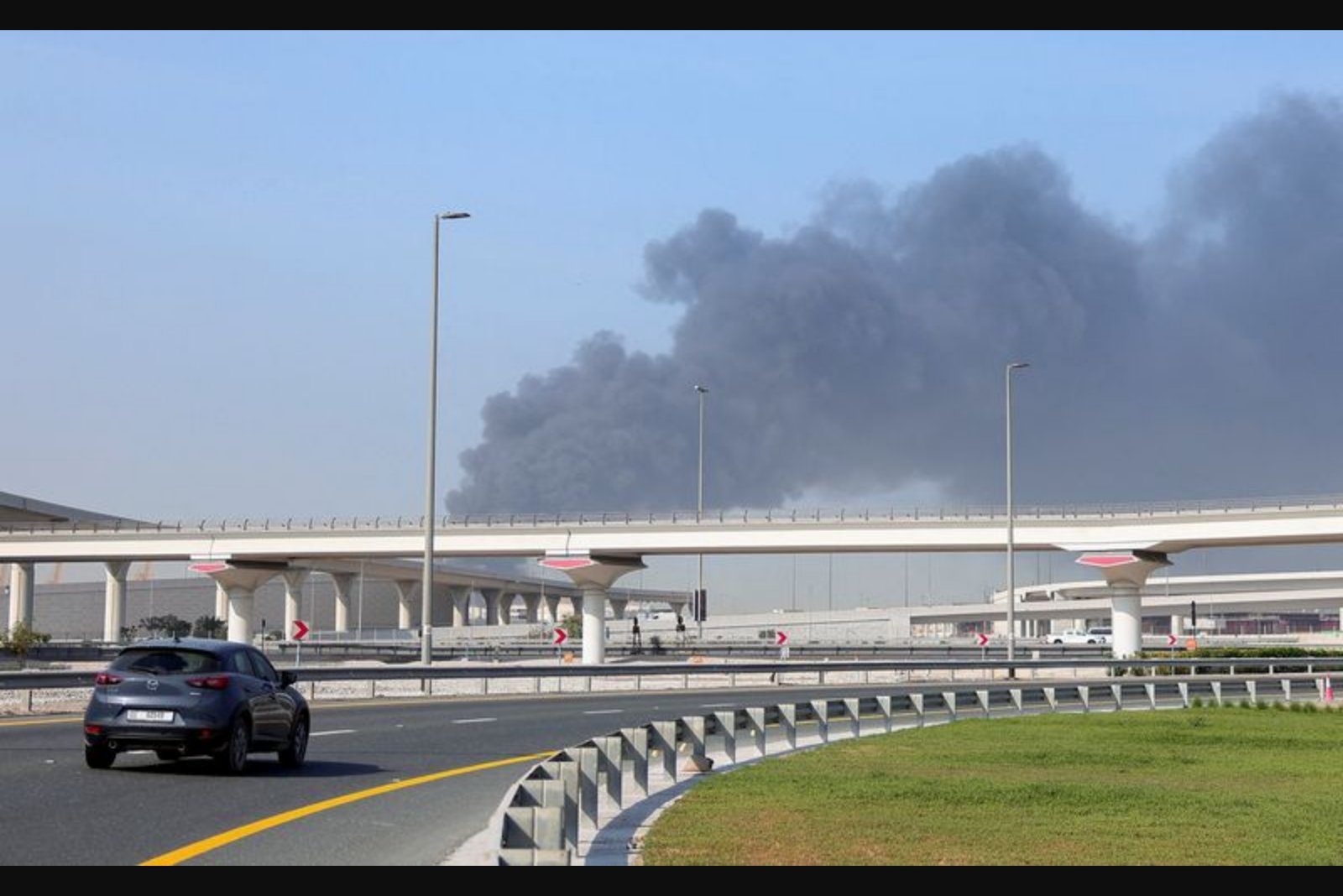
Dubai authorities reported two people were injured when shrapnel from drones fell onto two houses as the incoming craft were intercepted, according to a statement from a Dubai media office. Major locations in Dubai suffered damage, including the international airport, the Burj Al Arab hotel and the artificial Palm Jumeirah Island. At the Jebel Ali port area, one berth caught fire earlier in the day after debris from an aerial interception of a missile landed there, producing thick black plumes of smoke.
Qatar response
Qatar’s interior ministry said its authorities were dealing with a limited fire in an industrial zone after debris fell from an intercepted missile. Officials characterized the incident as limited in scope, and emergency services were responding to the site of the fire.
Context and significance
Dubai is a major regional hub for tourism and trade, and its airport ranks among the world’s busiest travel centers. Damage to infrastructure and landmarks in the city, along with fires at commercial port facilities, highlight the immediate physical impacts of the strikes and the wide geographic area over which debris from intercepted munitions can fall.
Reporting limitations
Available public statements described injuries, fires and damage in the affected cities but did not provide exhaustive details on broader casualty figures or the full extent of infrastructure impacts beyond the sites named.