
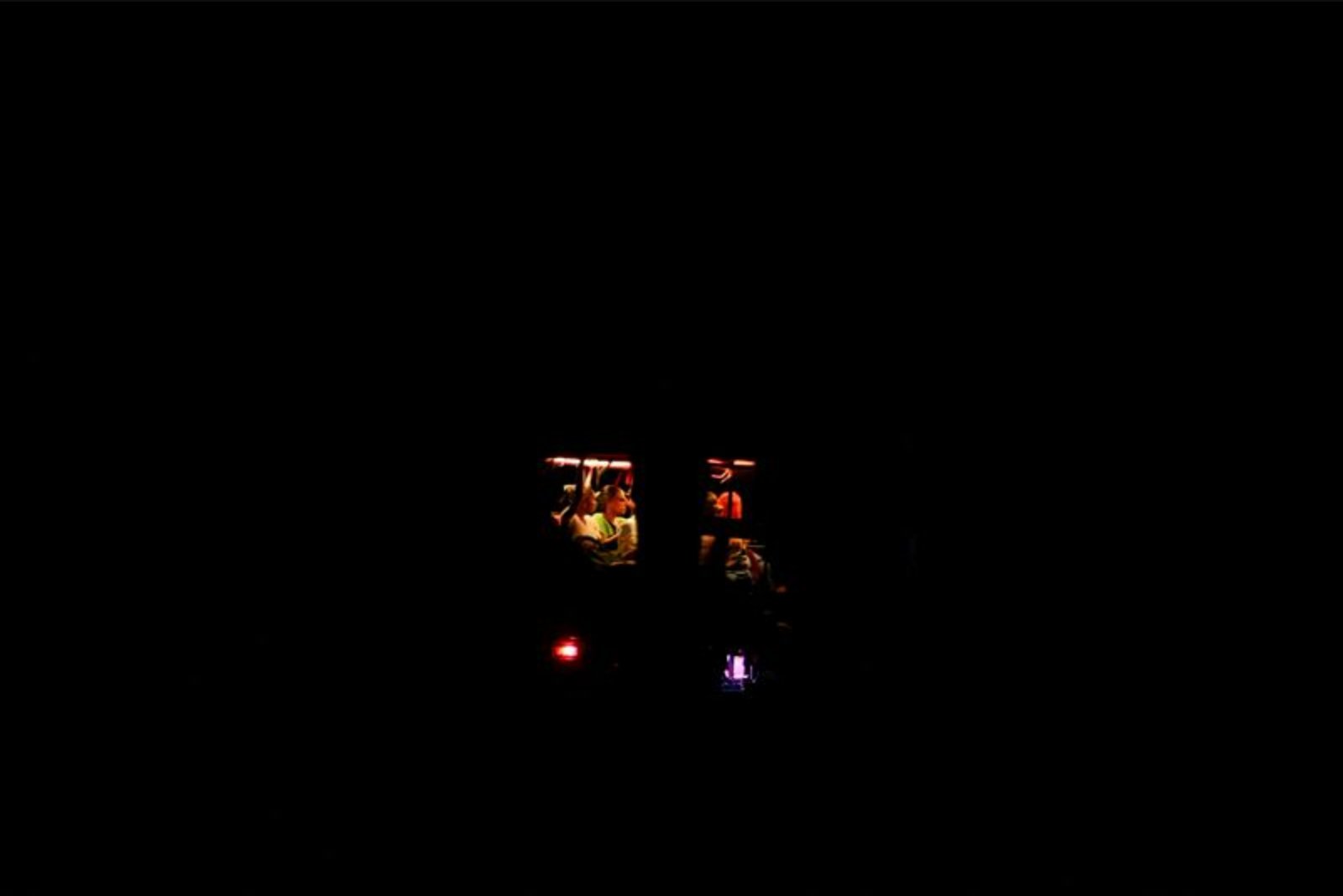
Cuban energy authorities reported early on Tuesday that the country’s national electrical grid had been reconnected across a wide stretch of the island, restoring transmission from the western province of Pinar del Rio to Holguin near the eastern tip. The announcement followed a nationwide grid collapse the previous day that plunged about 10 million people into darkness amid an ongoing oil blockade imposed by the United States.
Officials said the reconnection did not include all areas. Santiago de Cuba, the nation’s second-largest city, remained without power after the failure. Even where the grid was re-established, generation levels were far below normal because fuel shortages and aging generation plants have constrained output across the island.
Energy officials emphasized that reconnecting transmission lines has not immediately translated into broad relief for households. Much of the country continues to experience limited electricity supply, and the reconnection provided only scarce alleviation for residents already coping with months of recurring blackouts.
Many Cubans had been living with prolonged daily outages before the collapse. Reports indicate that most people, including those in the capital, Havana, were accustomed to blackouts of 16 or more hours each day. Those extended outages have disrupted routine services and domestic needs, testing the patience of citizens accustomed to long-standing utility instability.
Residents described the practical effects of the electricity shortages on daily life. One Havana resident said outages disrupted access to basic services such as refrigeration and water, and forced households to adopt low-energy activities to pass the time rather than risk added stress. Another resident described continuing darkness at home despite islandwide reconnection efforts, and expressed a resolve to endure the disruption in familiar fashion.
Cuban authorities have not specified the immediate cause of the nationwide grid failure. The event marked the first collapse of the national system since the United States cut off Cuba’s oil supply from Venezuela and warned it could impose tariffs on countries that ship fuel to the island. Those policy measures, described by officials as an oil blockade, have further strained an already obsolete generation system.
Weather conditions also limited near-term generation options. Much of the island was overcast on the morning of the collapse as a cold front approached, reducing output from solar parks that contribute a significant share of daytime generation, in some estimates accounting for a third or more of daytime supply.
Ship tracking data reviewed by news agencies indicated Cuba has received only two small vessels carrying oil imports so far this year, a fact cited by energy analysts and officials when discussing the shortage of fuel available for power generation. Low import volumes have tightened the supply chain for refinery and power-plant fuel availability.
Against this backdrop, Cuba and the United States have begun talks aimed at easing the crisis. Neither government has revealed details of the negotiations. U.S. leadership has used sharp rhetoric toward the Cuban government, including comments that Washington could take broad action with regard to the island. At the same time, Cuba extended an invitation to Cuban Americans and other exiles living abroad to invest in and own businesses on the island, an apparent overture made while diplomatic discussions continue.
The scope of the outage, the limited pace of restored generation, and the opaque nature of the bilateral talks leave considerable uncertainty over how quickly full power service can be resumed across Cuba. For now, millions remain without reliable electricity as officials and negotiators work to address the interlinked challenges of fuel access, generation capacity, and restoration of stable service.
Key points
- Cuba’s grid was reconnected from Pinar del Rio to Holguin, but Santiago de Cuba remained offline.
- About 10 million people experienced the nationwide outage; generation remains sharply depressed due to fuel shortages and antiquated plants.
- Talks between Cuba and the United States are underway amid U.S. pressure including an oil blockade and threats of tariffs on fuel suppliers.
Risks and uncertainties
- Ongoing fuel shortages constrain electricity generation and could delay full restoration - this directly impacts the energy sector and consumer-facing industries reliant on steady power.
- Antiquated power plants limit the island’s ability to rapidly increase output even after transmission is reconnected, creating continued reliability risks for households and businesses.
- Diplomatic negotiations are in progress but details are undisclosed, leaving uncertainty about the timing and scope of any relief tied to changes in fuel access or trade policy.