
BOGOTA, Feb 10 - Millions of Colombian roses reached U.S. buyers in the run-up to Valentine’s Day, yet the country’s flower industry is navigating a confluence of economic headwinds that threaten profitability for the world’s second-largest exporter of cut blooms.
Colombian growers dispatched roughly 65,000 tons of fresh-cut flowers between Jan. 15 and Feb. 9, a shipment volume timed for the Valentine’s Day buying window. The season typically represents about 20% of annual sales for a sector that is the primary supplier to the U.S. market, according to industry group Asocolflores.
Those deliveries are arriving as exporters contend with a 10% tariff imposed by the United States last April as part of trade measures advanced by President Donald Trump. The U.S. remains the destination for about 80% of Colombia’s flower exports, meaning the levy directly affects the bulk of the industry’s revenue.
At the same time, two domestic cost pressures are eroding competitiveness. The Colombian peso has strengthened almost 12% against the dollar over the last year, and the minimum wage has risen by 23%, both of which raise the local-currency cost base for producers and squeeze margins when revenues are largely dollar-denominated.
"We are in very adverse, very complicated situations," said Jose Antonio Restrepo, manager of Ayure SAS Eclipse Flowers near Bogota. He warned that if the current economic environment persists, "the industry could face widespread layoffs and farm closures by July."
Flower cultivation is the country’s most labor-intensive agricultural sector, offering formal employment to roughly 240,000 workers across 10,500 hectares, or nearly 26,000 acres. The combination of high labor intensity and sizeable workforce exposure makes the sector particularly sensitive to wage increases and demand shocks.
Industry officials highlighted another practical challenge this season: Valentine’s Day falls on a Saturday. "It’s preferable that Valentine’s Day falls on a weekday because people are accustomed to sending flowers to offices as a surprise," said Augusto Solano, president of Asocolflores, noting that buying patterns tied to workplaces are less likely to play out on weekends.
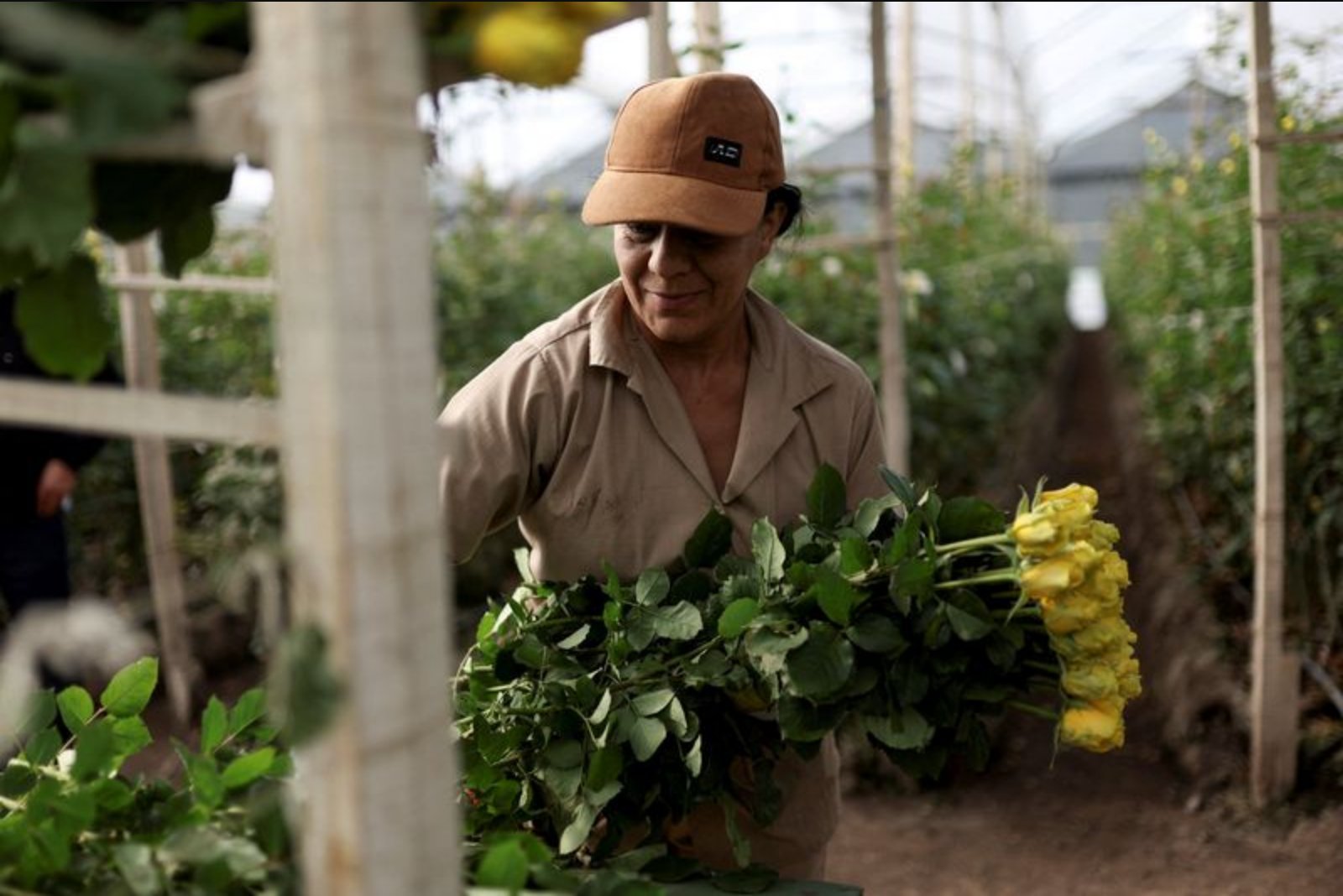
On the packing floor at Ayure SAS Eclipse Flowers, there was a more optimistic tenor. A worker, Susana Vega, described the personal meaning of the season as she wrapped a bundle of roses. "It’s an immense joy (...), knowing that we’re bringing happiness to someone," Vega said. "To a woman, to a mother, and that we’re also benefiting ourselves." Her comment underscored the sector’s social role even as economic strains mount.
As shipments flow to the U.S. for the key holiday, the industry’s outlook will hinge on whether trade costs, currency moves and labor policy remain unchanged or shift in a way that eases the pressure on growers' margins.