
J.P. Morgan analysts have laid out a rapid timeline for oil supply disruptions if the Strait of Hormuz remains closed, warning that crude shipments from Iraq and Kuwait could begin to be shut in within days. In a note circulated on Tuesday, the bank estimated that oil flows could be reduced by about 3.3 million barrels per day (bpd) by the eighth day of a continued closure.
The bank's analysis places the window for an enforced halt to exports at roughly three days for Iraq and about 14 days for Kuwait for those barrels that transit the strait. According to the note, a longer-lasting closure would see the losses grow to around 3.8 million bpd by day 15 and to 4.7 million bpd by day 18.
Separately, two Iraqi oil officials told reporters on Tuesday that Iraq would be compelled to cut oil production by more than 3 million bpd within a few days if tankers were prevented from moving freely through the Strait of Hormuz and reaching the country's loading ports. Those comments underscore the short lead time for producers that rely on the waterway to export crude.
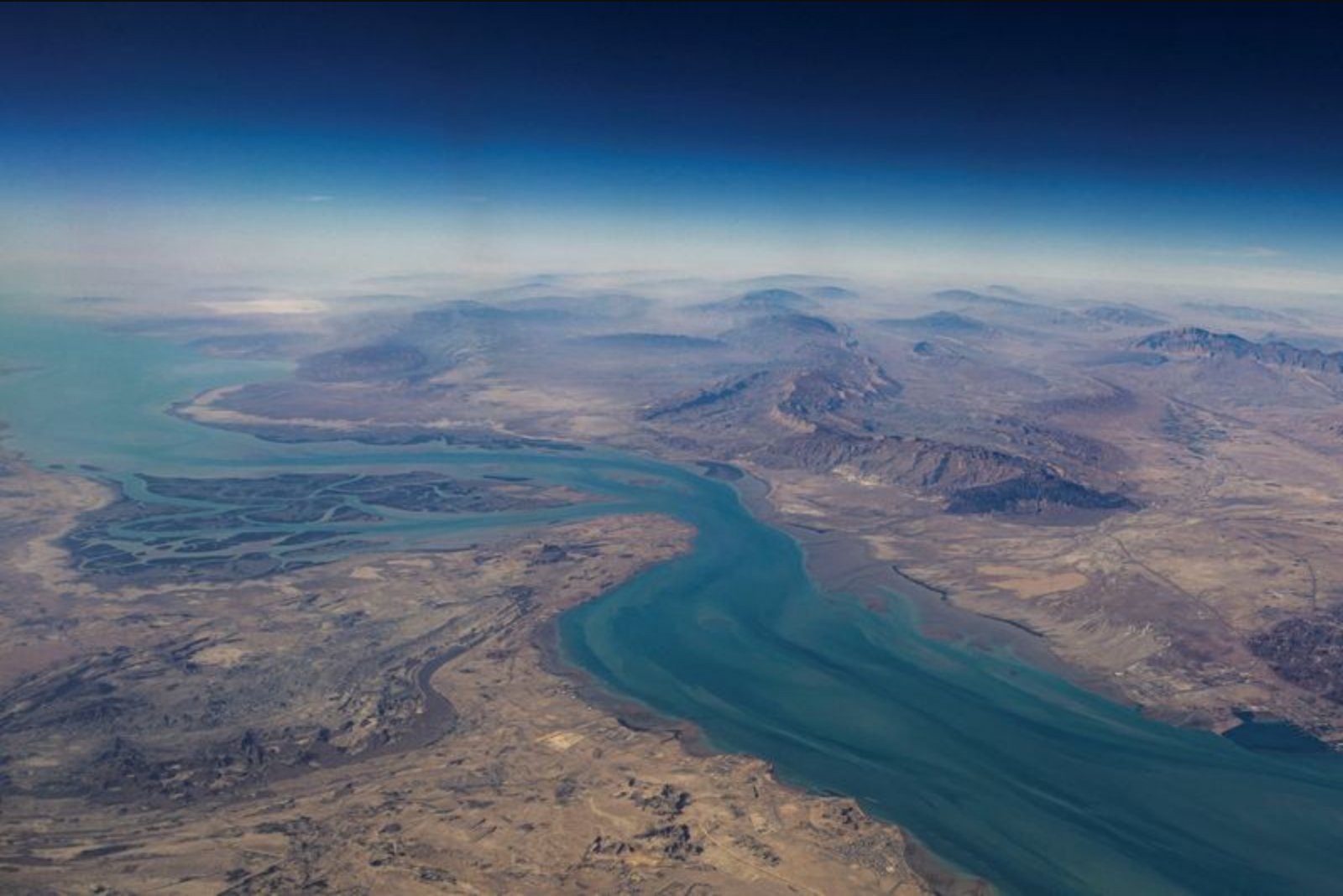
The Strait of Hormuz is a narrow maritime corridor between the Persian Gulf and the Gulf of Oman and is described as a major global transit chokepoint for hydrocarbons. The waterway currently carries roughly one-fifth of the world's oil and liquefied natural gas flows, making any prolonged disruption a material constraint on supply.
Political and military signals have added to the immediate tension. The U.S. President said on Tuesday that the U.S. Navy could begin escorting oil tankers through the strait if required. At the same time, Iranian media carried a statement from a senior official of the Islamic Revolutionary Guards saying the Strait of Hormuz is closed and that Iran would fire on any ship attempting to pass.
The combination of the bank's projections, officials' warnings about imminent production cuts, and public statements from both U.S. and Iranian actors highlights the concentrated exposure of regional exporters and global oil markets to any sustained restriction of maritime traffic through this single chokepoint.