
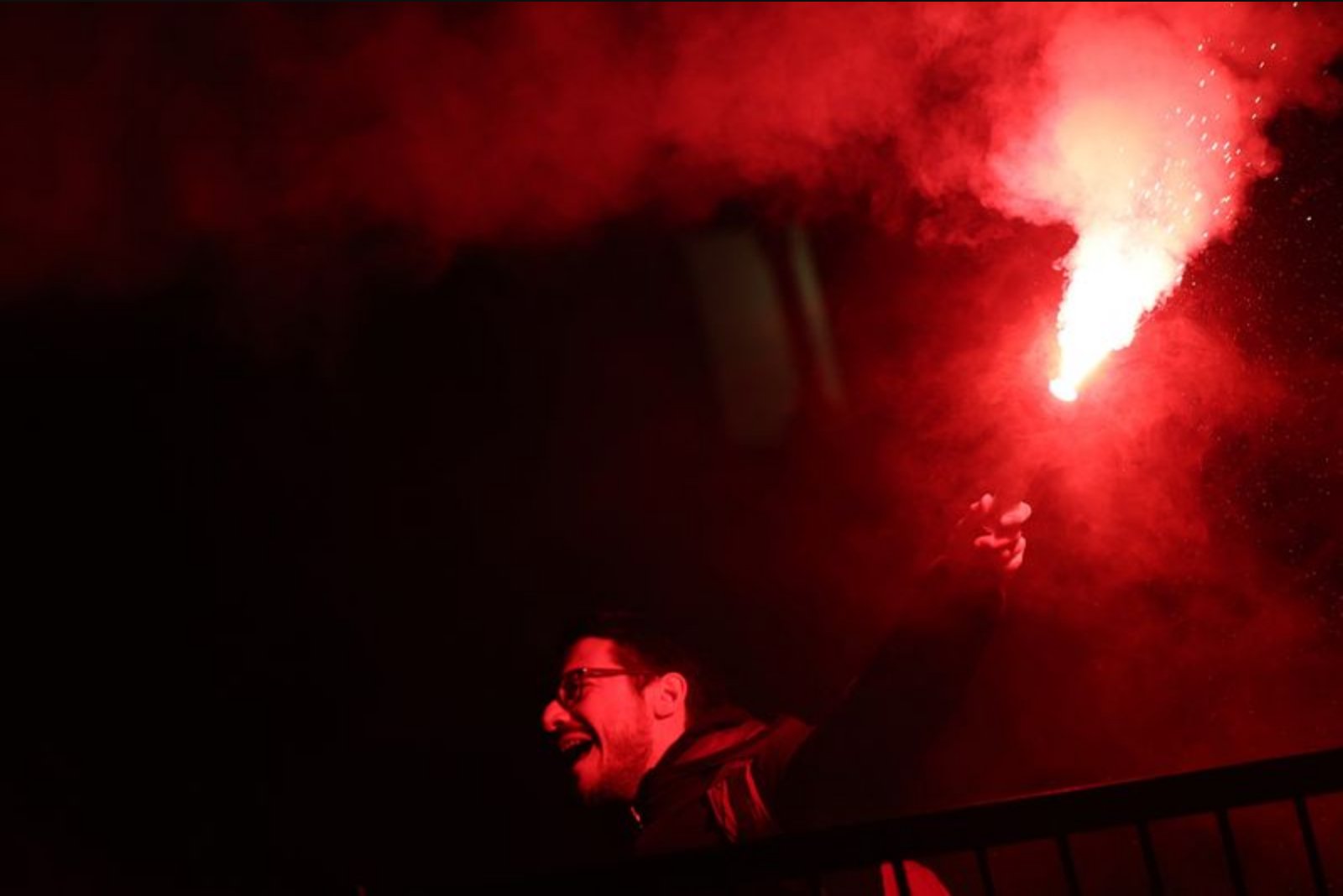
A confrontation erupted in central Milan when a group of roughly 100 demonstrators broke away from a larger march and threw firecrackers, smoke bombs and bottles at police. Officers in riot gear and carrying shields answered with a water cannon to push back the splinter group, some of whom were reported to have covered their faces with hoods and scarves. After a short period the authorities said order was restored and six people were detained.
The incident took place on the first full day of the Milano Cortina Winter Olympics, as an estimated 10,000 people filled the streets of Italy's financial capital in a demonstration focused on housing costs and environmental concerns. The march was organised by grassroots unions, housing-rights groups and social centre community activists, who say the prevailing urban model is becoming increasingly unsustainable amid soaring rents and widening inequality.
Organisers and participants framed the protest as a response to an extended period of property market expansion in Milan. They say that since the 2015 World Expo the city has experienced a property boom that has squeezed long-term residents, a trend activists link to an Italian tax scheme attracting wealthy new residents and to demographic shifts brought about by Brexit. Some factions within the protest argue the Olympics themselves represent a questionable allocation of public funds and resources.
Among those taking part was 71-year-old Stefano Nutini, who stood beneath a Communist Refoundation Party flag and said: "I’m here because these Olympics are unsustainable - economically, socially, and environmentally." Nutini told the crowd he believed Olympic infrastructure had imposed heavy burdens on mountain towns hosting events in what he described as the first widely dispersed edition of the Winter Games.
The International Olympic Committee, for its part, maintains that the Games are mostly using existing facilities, a position presented by organisers as an explanation for their approach to sustainability.
At the front of the procession about 50 demonstrators carried stylised cardboard trees intended to symbolise larches they say were felled to make way for a new bobsleigh track in Cortina d’Ampezzo. One banner displayed during the march read: "Century-old trees, survivors of two wars ... sacrificed for 90 seconds of competition on a bobsleigh track costing 124 million (euros)."
Security in Milan had been tightened for the Games, and the demonstration was viewed by some observers as a potential flashpoint following unrest at a hard-left rally in Turin the previous weekend. That event, according to an interior ministry tally, left more than 100 police officers injured and resulted in nearly 30 arrests.
The authorities said the skirmishes in Milan were contained quickly. Six detentions were reported in connection with the clashes between the breakaway group and police, and the wider protesters continued to voice concerns about housing affordability, social inequality and the environmental effects they attribute to Olympic-related projects.