
Overview
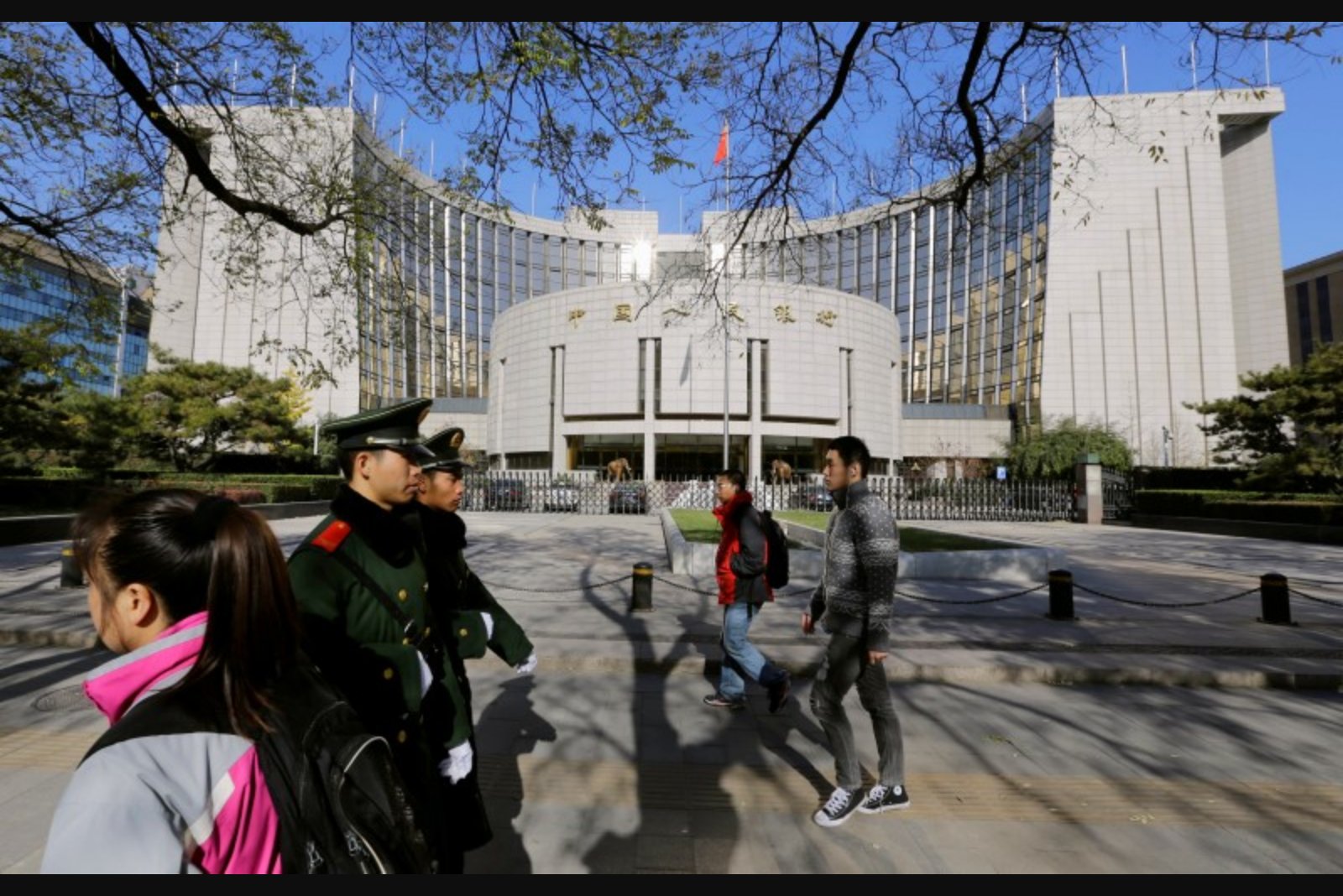
China's central bank maintained its month-by-month build-up of gold reserves in February, marking the 16th consecutive month of accumulation. Official figures show the People's Bank of China increased bullion holdings by 30,000 troy ounces, lifting the nation's total fine troy gold reserves to 74.22 million ounces.
Market reaction
The announcement came as spot gold rallied, recovering from earlier session losses to finish up 1.85% at $5,171.12 an ounce by 16:00 ET (21:00 GMT). That price move reflects an increased demand for the metal as investors sought defensive instruments amid heightened geopolitical tensions.
Geopolitics and demand
Analysts attribute a portion of the renewed interest in bullion to deteriorating security conditions in the Middle East. Following joint military operations by the U.S. and Israel against Iranian targets, market participants shifted away from higher-risk equities and toward assets perceived as safe havens. Commentators in the market have linked that rotation to both central bank appetite and inflows into exchange-traded funds.
In the ETF market, US-listed gold ETFs recorded $4.5 billion in net inflows during February, suggesting that retail and institutional investors were moving in the same direction as central banks in seeking exposure to bullion.
Central bank buying patterns
While China continued its steady purchases, global central bank buying showed signs of a seasonal slowdown in January. Central banks bought an average of just five tons that month, compared with a monthly average of 27 tons recorded the previous year. Some market participants noted that holiday season dynamics and price volatility may have contributed to that temporary pause.
Marissa Salim, an analyst at the World Gold Council, said: "Volatile prices and the holiday season may have given some central banks pause." She also emphasized that geopolitical risks show "little sign of abating," a condition she said is likely to keep institutional appetite elevated.
Reserve strategy divergence
Central bank approaches to gold and reserve management are diverging. East Asian and Central European nations have led a broader accumulation trend, while a handful of countries have taken the opposite tack. Poland's central bank, for example, has proposed selling part of its gold reserves to finance urgent domestic defense spending. Separately, Russia and Venezuela have appeared as recent sellers, a move market watchers link to efforts to shore up liquidity amid tightening sanctions and economic isolation.
The continuing inflows into bullion by some central banks, coupled with selective selling by others, underscore how reserve strategies can vary based on immediate fiscal and security needs.
Currency stability and strategic motives
At the moment of the PBOC update, the USD/CNY exchange rate was relatively stable at 6.8968. Observers note that the central bank's regular acquisitions of gold are consistent with a longer-term approach to reduce exposure to currency swings and to diversify reserve holdings away from a single currency.
Price outlook
Analysts at J.P. Morgan forecast that gold prices will average $5,055 through the end of 2026. Their view points to a persistent backlog of central bank demand providing a structural floor for the market, even as short-term volatility may arise from shifts in U.S. monetary policy.
Concluding note
China's continued gold purchases in February reinforce an ongoing structural pattern of reserve diversification. The interplay between geopolitical developments, central bank reserve management decisions, and flows into ETFs and other investment vehicles is sustaining interest in bullion. At the same time, divergent reserve actions by some nations reflect immediate fiscal and liquidity pressures that can temporarily counterbalance accumulation trends.