
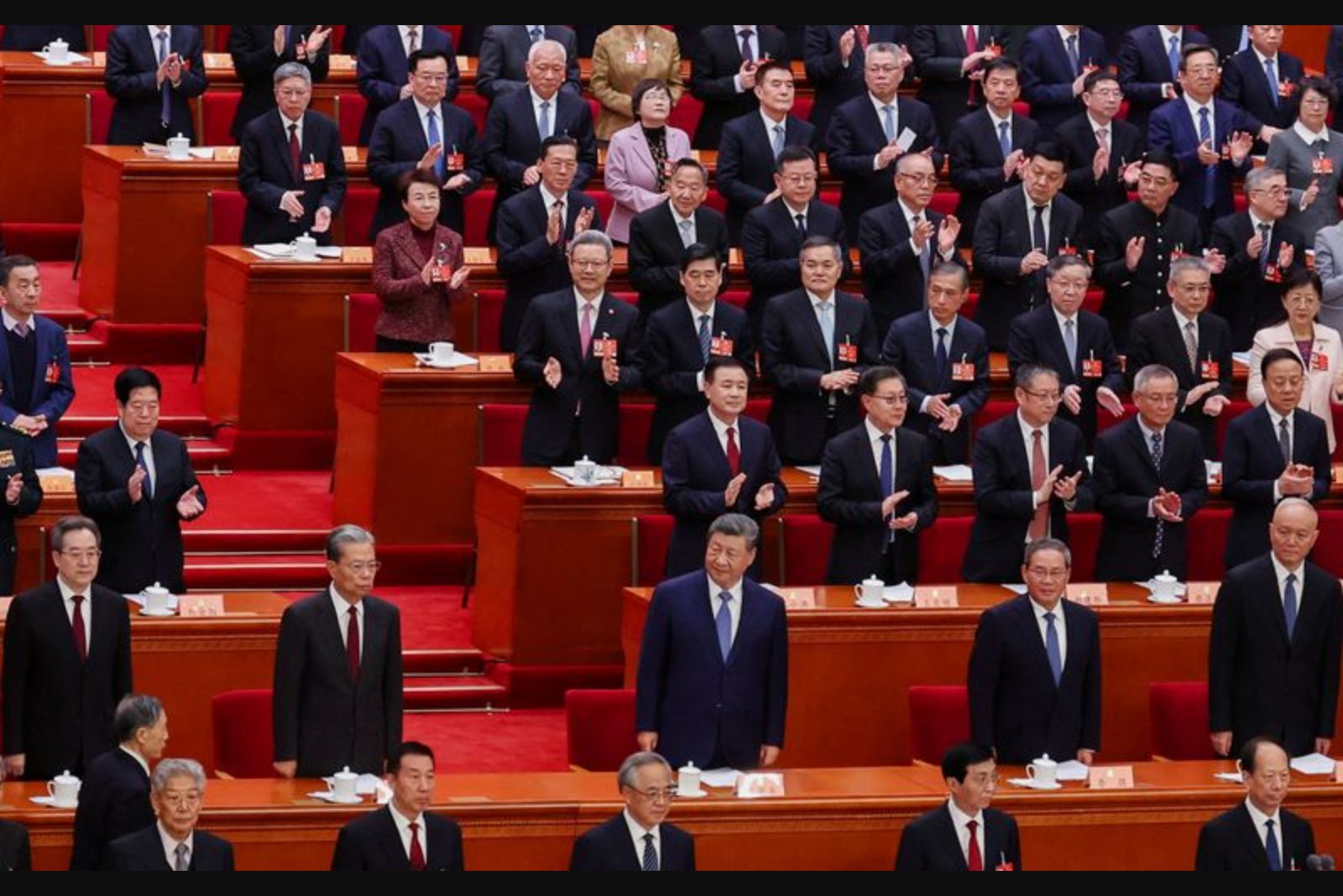
BEIJING, March 5 - China unveiled its 15th five-year plan at its annual parliamentary meeting, setting policy priorities and areas for state support that have direct implications for commodity markets. The plan touches on metals and critical minerals, industrial overcapacity, climate and energy targets, oil and gas output goals, and agricultural production ambitions.
Metals and critical minerals
The plan for the first time singles out China’s competitive edge in rare earths, with an explicit pledge to maintain the country's lead and to upgrade the industry. It also says Beijing will improve its export control system - a policy area that has previously been linked to shortages of critical minerals overseas.
On base metals, the document notes that China’s push to expand clean energy could support higher demand for copper and aluminium through a planned large-scale grid build-out, some elements of which have already been flagged. The plan reiterates China’s heavy reliance on imports for commodities such as copper and iron ore, and states that authorities will push for increased domestic exploration and mining, though no specific examples were provided.
Overcapacity
Beijing again commits to tackling overcapacity in carbon-intensive heavy industries including steel, petrochemicals and copper smelting. However, the plan stops short of setting explicit reduction goals or directing cuts to output. To support restructuring, it does set targets for energy savings that are intended to accelerate change in these industries.
Climate, power and coal
The plan sets a target to reduce carbon intensity - the amount of carbon released per unit of economic activity - by 17% over the five-year period. That target is slightly below the 18% goal set the previous five-year period. Over the last five years, actual carbon intensity fell by 12%.
Because the plan focuses on carbon intensity rather than absolute emissions, it leaves open the technical possibility that total emissions could still rise if economic growth outpaces intensity gains. The plan says China will aim for coal consumption to peak within the next five years but omits earlier language about phasing down coal, which leaves room for coal consumption to plateau rather than decline.
Separately, the plan includes a target that 25% of all energy consumed be generated by non-fossil sources by 2030.
Oil and gas
China will seek to keep domestic oil output steady at 200 million tons annually while continuing to expand gas production and to build strategic oil stockpiles. The plan says Beijing will advance "early work" on the Power of Siberia 2 gas pipeline - a project Moscow has presented as all but agreed but that has been long-delayed by disagreements over price.
The blueprint also states that China will continue to expand the coal-to-liquids sector, a process that converts coal into oil, gas and petrochemicals.
Agriculture
On food security, the plan raises the annual grain production target to 725 million metric tons by 2030, and says officials will rely on new technology and higher yields to reach that goal as available farmland becomes scarcer. The document again underscores the push to secure overseas supplies for the large volume of foodstuffs China imports.
It also states Beijing will regulate overcapacity in the hog industry and provide support for the dairy and beef sectors, both of which have recently been placed behind tariff walls.
Outlook summary
The five-year plan provides a roadmap for state-directed support and regulatory priorities across a range of commodity-related sectors. It flags continued strategic emphasis on rare earths and domestic resource development, measured language on coal and overcapacity, and concrete production targets for oil and grain, while leaving specifics such as examples of new mines or mandated industrial output cuts unspecified.