
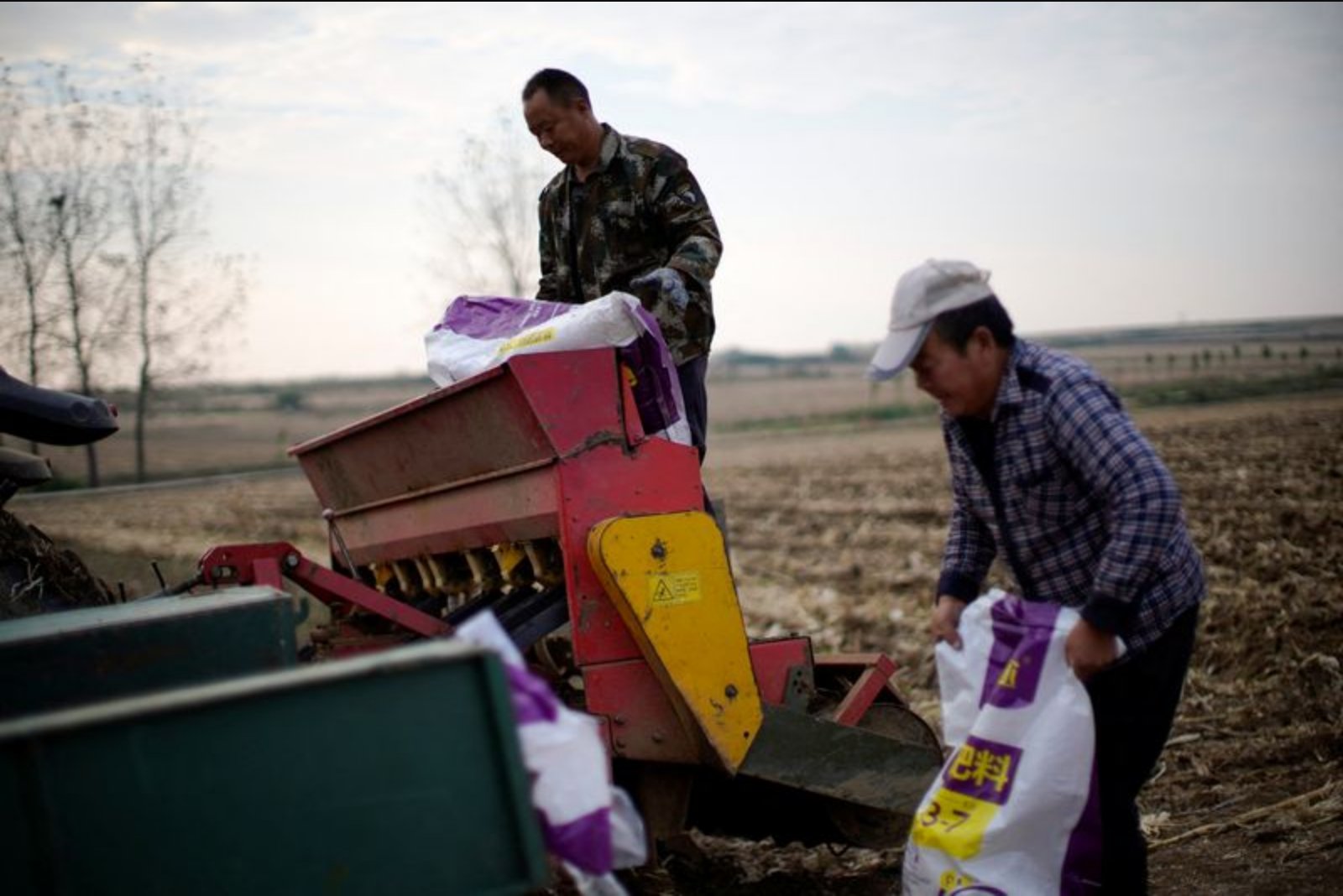
China has begun issuing export quotas for urea fertiliser, sources with direct knowledge of the situation said, a policy shift that could help temper elevated global prices for the widely used nitrogen-based crop nutrient amid supply disruptions tied to the Iran war.
Beijing had banned exports across multiple fertiliser categories in March to protect domestic farmers after a surge in international prices triggered by the closure of the Strait of Hormuz, a key transit route for a large portion of fertiliser shipments and input materials. Urea exports from China are controlled through a quota mechanism, and the allocation of quotas is generally read as an indication that authorities consider domestic supply sufficient to free up some volumes for overseas buyers.
Two Chinese urea producers confirmed they had been allocated export quotas but declined to elaborate on the amounts or timing. An Indian fertiliser importer also reported receiving a government notification permitting urea shipments, though that source did not disclose further details. China’s General Administration of Customs and the National Development and Reform Commission did not immediately reply to requests for comment.
Domestic urea prices in China continue to sit well below international benchmarks, a dynamic that makes exported volumes attractive to buyers abroad. The potential resumption of Chinese shipments is expected to be particularly important for India, which last year sourced more than 40% of its urea and diammonium phosphate from the Middle East.
India has previously sought access to alternative supplies as regional tensions disrupted gas feedstocks and fertiliser production in the Middle East. In March, New Delhi asked China to permit the sale of some urea cargoes after the U.S.-Israeli war on Iran disrupted gas supplies and threatened fertiliser output, according to reporting cited by market participants.
Some industry accounts and social-media posts have circulated an estimate that roughly 1.5 million metric tonnes of urea could be allocated under the recent quota round; that total has not been independently verified. By way of context, China exported 4.9 million tonnes of urea in 2025, a figure below its historical export range of 5 to 5.5 million tonnes. Historically, China’s exports have represented around 10% of global urea shipments, according to consultancy data cited by market participants.
Market reaction and buyer preferences
Buyers in countries affected by Middle East disruptions have signaled a preference for Chinese shipments because they avoid transit through the Strait of Hormuz and are viewed as more predictable. "We will prefer Chinese supplies in the current situation as shipments are far more predictable," a senior official at an Indian fertiliser-producing company said, adding that avoidance of Hormuz transit increases the likelihood of on-time delivery.
While the allocation of export quotas may provide some relief to global supply tightness, details remain limited and authorities have not publicly confirmed the full scope of the releases. Market participants and national authorities have yet to provide a comprehensive view of the timing and volumes that will reach overseas buyers.
What this means for markets and sectors
- Agriculture and fertiliser sectors may see easing pressure on input costs if allocated volumes reach importers in a timely manner.
- Import-dependent countries, notably India, stand to benefit from more predictable supply routes that do not require transiting the Strait of Hormuz.
- Traders and shipping operators may adjust logistics plans in response to changed sourcing patterns.