
Canada said on Monday it is preparing a plan to provide assistance to Cuba as the island faces severe shortages of fuel and prolonged power outages after Washington moved to halt oil shipments to the country. The Canadian foreign minister made the announcement without detailing what form the support would take.
"We are preparing a plan to assist. We are not prepared at this point to provide any further details of an announcement," Canadian Foreign Minister Anita Anand said on Monday, declining to elaborate on timing, scope or delivery mechanisms.
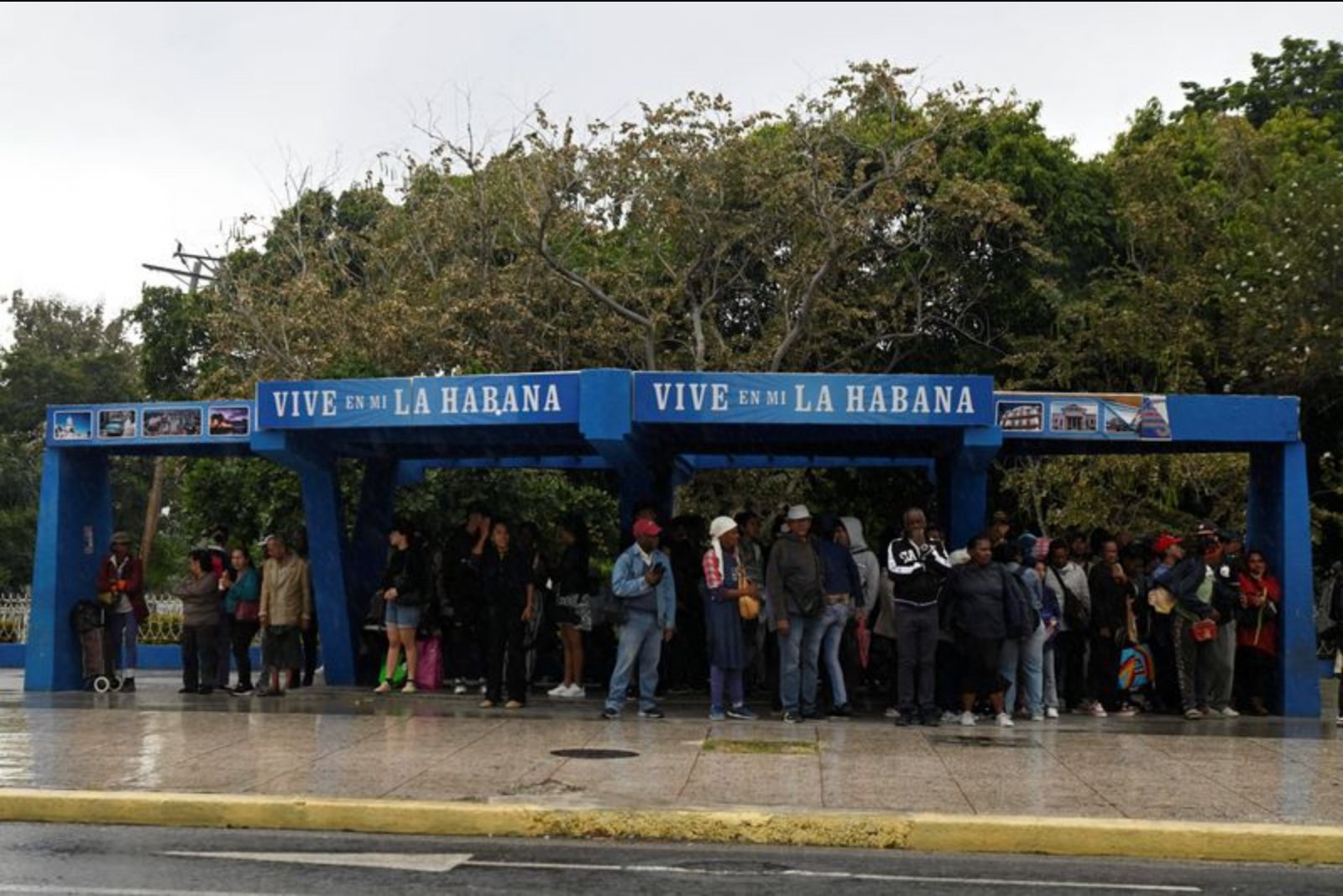
The move by Ottawa comes as the U.S. administration has intensified pressure on the Communist-run island. U.S. actions have sought to block all oil from reaching Cuba - including crude and fuel that previously arrived from Venezuela - a step that has contributed to higher prices for food and transportation, triggered acute fuel shortages and led to hours-long blackouts in some areas.
Cuba has warned that disruptions to energy supplies carry the potential to create humanitarian problems. The U.N. has also cautioned that failure to meet the country’s energy needs could produce a humanitarian crisis, a concern Ottawa said it shared when it noted last week that it was monitoring the situation and was worried about the "increasing risk of a humanitarian crisis".
The escalating pressure campaign has been accompanied by public statements from the U.S. president about the island’s prospects. U.S. President Donald Trump has said "Cuba will be failing pretty soon," and has noted that Venezuela, which had been a principal supplier of fuel and financial support to Cuba, has not recently sent oil or money to the island.
The U.S. military’s operation in January that resulted in the seizure of ousted Venezuelan President Nicolas Maduro has sharpened tensions in the region, and has been referenced by U.S. officials as a factor that has emboldened further pressure on Cuba. The U.N. human rights office has stated that the raid in which Maduro was seized was a violation of international law.
Human rights experts have also criticized the U.S. approach toward Venezuela and Cuba, characterizing elements of the policy - including efforts to exploit Venezuelan oil and to squeeze Cuba economically - as reflecting an imperialist posture. The Canadian announcement of potential aid underscores Ottawa’s concern about the humanitarian dimensions of the energy disruptions while diplomatic tensions remain elevated between Washington and other capitals over a range of policy differences.
Context and next steps
Canada has so far limited its public statement to the intention to prepare assistance. Officials have not provided further details about what assistance will involve or when it might be announced. For now, the country remains under pressure from constrained energy supplies and related economic strains that are affecting food and transportation costs and the reliability of electricity service.