
Overview
Canada has opened talks with the United States aimed at removing tariffs that have hit several critical industrial sectors, and Ottawa says any outcome on those sectoral levies could be formalised via bilateral arrangements alongside a broader review of the USMCA trade pact.
What Ottawa says
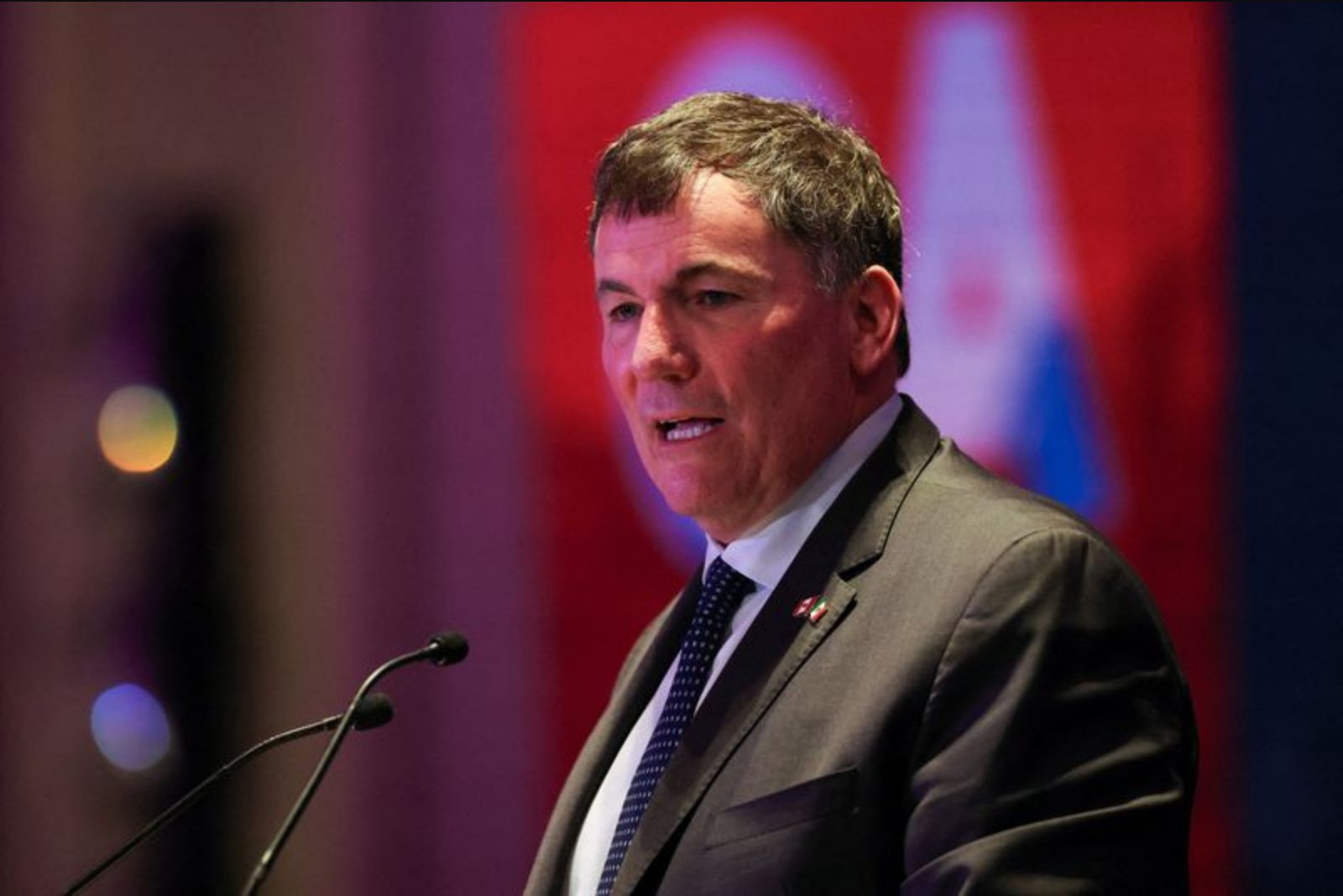
Dominic LeBlanc, who holds responsibility for trade matters between Canada and the United States, told a business audience in Toronto that Ottawa remains prepared to pursue removal of sector-specific tariffs. He characterised those tariff fixes as measures to be negotiated bilaterally and placed adjacent to the trilateral USMCA framework.
"We are still ready and anxious to do that work," LeBlanc said, underlining Ottawa's interest in resolving what it calls painful levies on key sectors.
LeBlanc specified that the tariff discussions target sectors including steel, aluminium and automobiles - industries that were subject to duties introduced by President Donald Trump's administration the previous year.
Trilateral framework and private diplomacy
While publicly there has been scepticism from some U.S. officials about the relevance of the USMCA, LeBlanc said private, government-to-government conversations among Canada, the United States and Mexico have so far been encouraging. He noted that this private diplomatic track contrasts with the public political debate in the United States.
"There is a public prosecution of the argument, the political argument in the United States. And there are the private government-to-government-to-government conversations which are not discouraging," LeBlanc said.
LeBlanc plans to meet with U.S. Trade Representative Jamieson Greer next week as part of continued engagement on these issues.
Timing and trilateral renewal
Mexico has already initiated formal talks with the United States on renewing the USMCA. LeBlanc said he is not pessimistic about completing a renewal of the trilateral framework, citing the shared economic interest of the three parties in maintaining the agreement.
The USMCA is due for review and requires completion by July 1, a timeline LeBlanc referenced in his comments on the review process.
Context limitations
The minister's remarks focused on the negotiating approach and timing. He pointed to the possibility of sector-by-sector bilateral arrangements running adjacent to a trilateral USMCA renewal, but did not offer specifics on the content, sequencing or legal mechanics of any eventual agreements.