
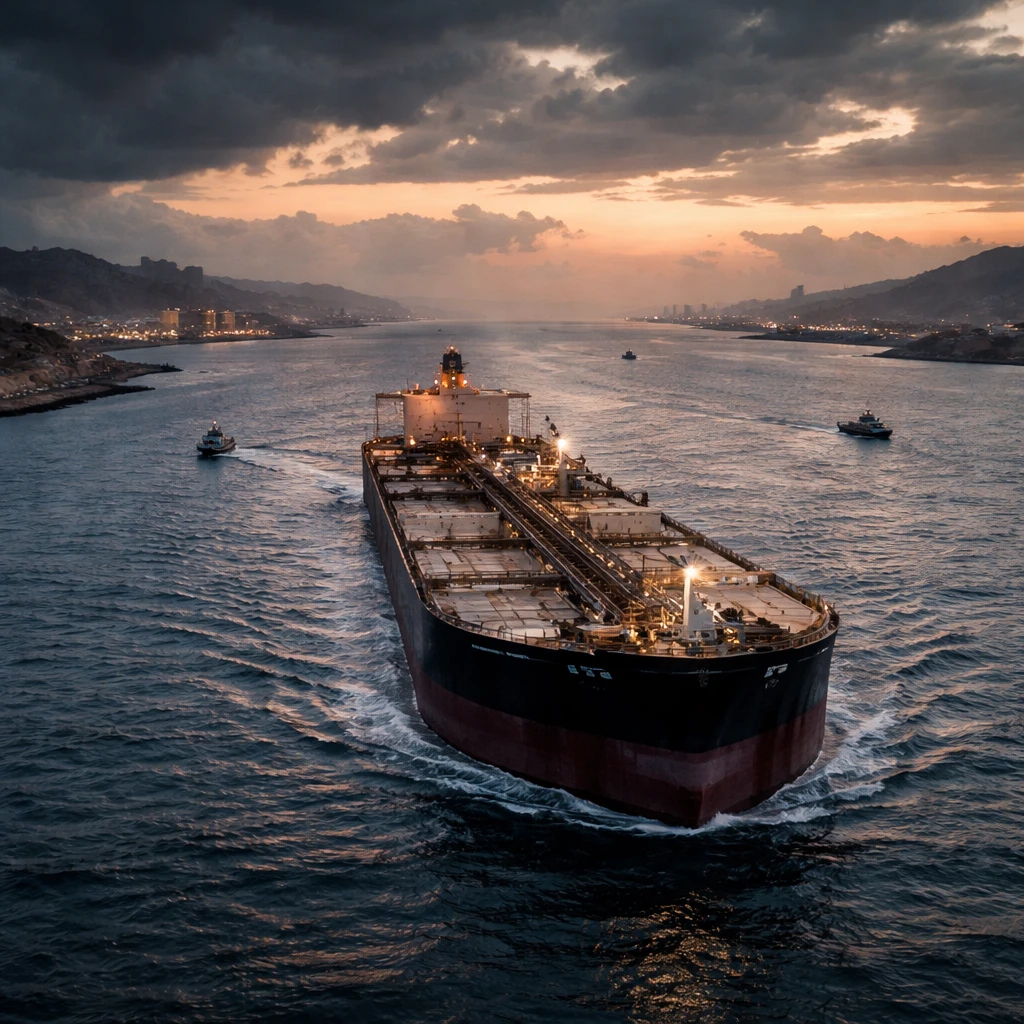
Brent crude has climbed past the $100-per-barrel mark amid mounting conflict in the Middle East and intensifying rhetoric about the Strait of Hormuz, raising concern among analysts that the world could face a fresh supply shock that mirrors 2022's turmoil.
In a note to clients, Jeremie Peloso, chief strategist at BCA Research, said that while there are important parallels with 2022 that "offer a roadmap," the current disruption is "likely shorter but more globally disruptive." Peloso framed investor attention around a singular, pressing question: how long will the Strait remain effectively closed, and can global reserves outlast what he described as Iran's determination to inflict economic pain on the U.S.
"Once unleashed, war acquires a life of its own. Investors are increasingly coming to terms with that reality, regardless of what President Trump may say on social media in an effort to de-escalate," Peloso wrote.
The note references comments from Iran's new Supreme Leader, Mojtaba Khamenei, delivered in his first address. Khamenei declared that the Strait would stay blocked, vowed retaliation for Iranians killed by the United States and Israel, and warned regional neighbours to close U.S. bases or face continued targeting. Peloso described Khamenei as "long known as a hardliner," implying limited reason to expect a conciliatory turn.
At the same time, BCA highlighted a confrontational posture from Israel. In his first press conference since the onset of hostilities on February 28, Israeli Prime Minister Benjamin Netanyahu directly threatened Khamenei, a development BCA said underlines the risk of further escalation.
Peloso also drew attention beyond crude oil. He warned that interruptions to sulfur, helium and fertiliser supplies could amplify pressure on food prices and disrupt components of the AI supply chain. Those knock-on effects, BCA suggested, broaden the potential economic impact well beyond the energy sector.
With markets already repricing tighter policy risks in response to higher commodity prices, BCA Research reiterated its view that further rate hikes would be a mistake unless there is evidence of second-round inflation. For investors, the firm recommended a defensive positioning in light of the heightened uncertainty.
Context limitations: The note and quotes above reflect BCA Research's analysis and the statements cited from political leaders. The scale, duration and ultimate economic consequences of the disruptions remain uncertain and depend on how events unfold.