
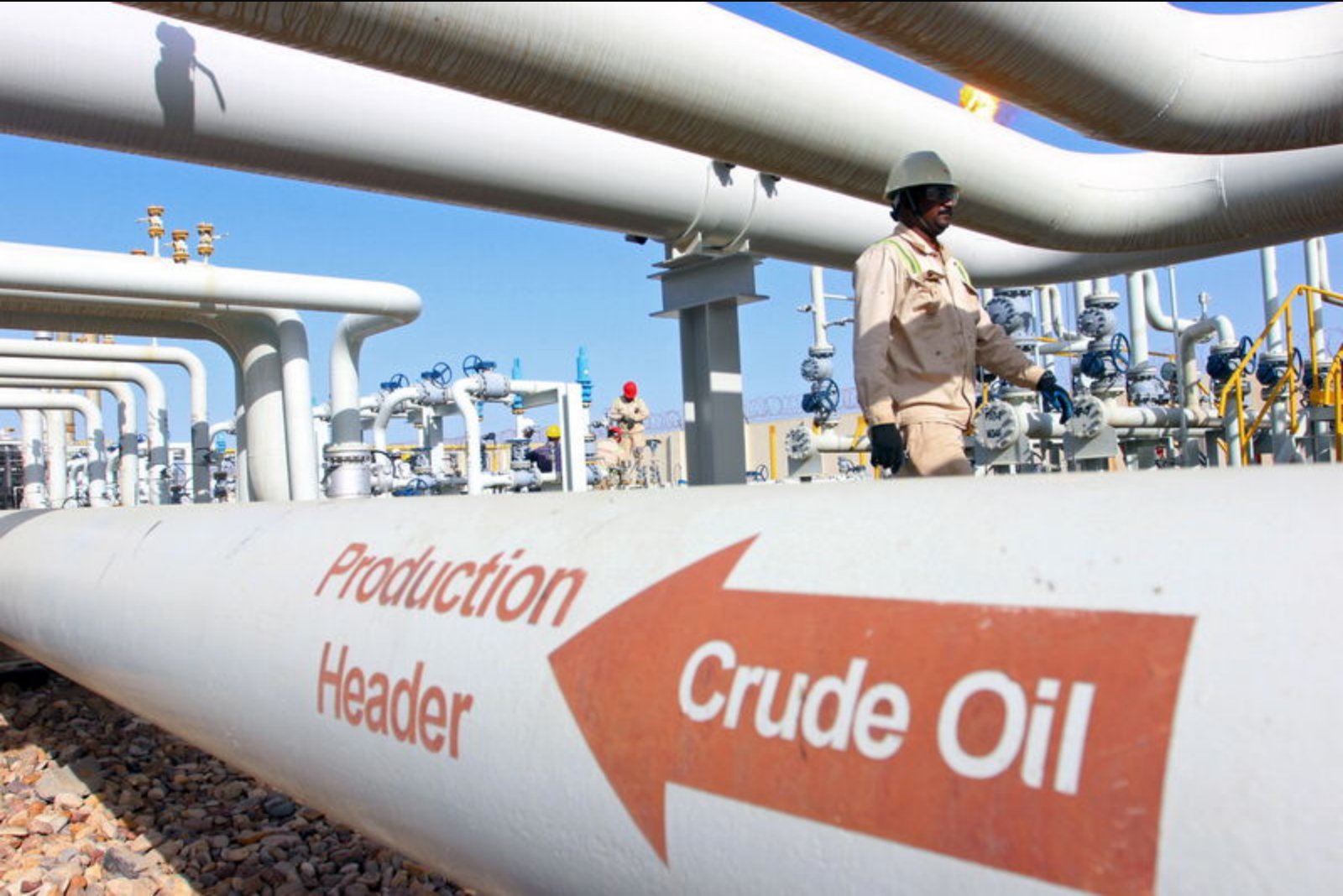
Oil markets continue to experience sharp swings as the ongoing conflict involving the U.S., Israel and Iran has disrupted shipments that transit the Strait of Hormuz. Attacks on vessels and energy facilities have driven significant risk premia into crude prices and left traders and policy makers weighing further emergency action if benchmarks rise again.
Brent crude has traded across a broad band in recent days, at one point approaching $120 per barrel before easing back. Throughout the recent period of heightened tension, prices have ranged roughly between $84 and $117, and at present are trading near $98.
The price volatility mirrors a major interruption to global supply. Citi's analysis estimates that producers have shuttered approximately 6-7 million barrels per day of output as movement through the Strait of Hormuz remains heavily constrained.
The Strait - a critical juncture for global oil shipments - is being described by Citi strategists led by Eric Lee as "effectively closed," with shipping activity down by as much as 90% as vessels confront attacks and security threats.
In a coordinated response, the International Energy Agency and participating member countries announced a record emergency release of 400 million barrels from strategic stockpiles. According to strategists, that volume could cover about four weeks of disrupted flows if supply losses stay in the range of roughly 11-16 million barrels per day.
"The oil market challenges we are facing are unprecedented in scale," IEA Executive Director Fatih Birol said in a statement, adding that member countries have enacted "an emergency collective action of unprecedented size."
Even with this historic drawdown, market watchers at Citi say additional measures may be required should prices continue to trend upward. They note that the IEA standing ready to supply liquidity could help cap prices, and that further releases would likely be triggered by Brent trading above $100 per barrel.
Citi's strategists wrote that such IEA action, taken alongside increased purchases of Russian oil by India and a reduction in Chinese stockpiling activity, would be effective in limiting further upside in oil prices.
Total combined IEA and OECD stockpiles currently stand at about 1.8 billion barrels. This total includes roughly 1.25 billion barrels held by governments and about 600 million barrels in industry stocks that are held under obligation.
In theoretical terms, drawdown capacity could reach as high as 24 million barrels per day for short intervals. However, historical emergency releases have been far smaller in practice, typically remaining below 2 million barrels per day.
Reflecting the changed market environment, Citi has adjusted its near-term view of Brent. The bank now sees a baseline trading range of $80 to $100 per barrel over the next two weeks, up from its earlier $80 to $90 forecast.
As the situation develops, participants across energy, shipping and refining sectors will be watching both price movements and policy responses closely. The effectiveness of the record release in stabilizing markets will depend on the duration of the shipping disruptions and whether additional coordinated stockpile draws are authorized if prices rise above the threshold cited by strategists.