
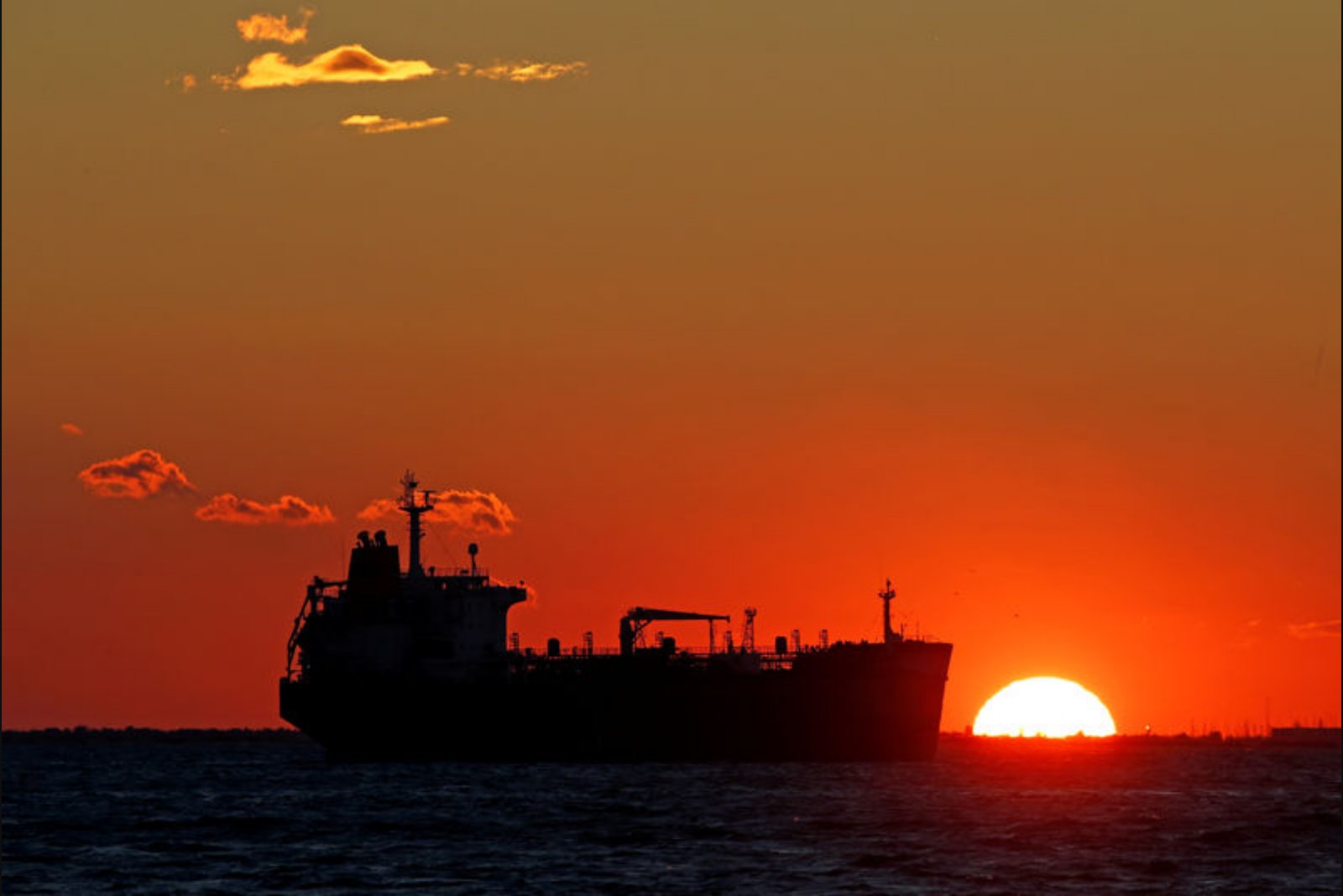
BRUSSELS, March 1 - Belgian armed forces, with support from French defence units, boarded and seized an oil tanker on Sunday that authorities say is part of a Russian "shadow fleet" and was sailing with a false flag and false documents, Belgium's Defence Minister said.
The vessel was escorted to the port of Zeebrugge, where it will be taken into custody, the minister said in a post on social media early on Sunday. A Belgian official identified the ship as Ethera, and said it appears on the European Union's sanctions list.
Belgium's federal prosecutor's office released a statement saying that during the inspection on board "the indications of a false flag were confirmed, and ship documents were found that are suspected of being false." The prosecutor's office added that "a criminal investigation was opened and an order was issued to divert the ship to Belgian territorial waters."
The Russian embassy in Belgium said it had not been notified about the facts and reasons for the seizure and that it was seeking information on whether any Russian nationals were on board.
Shadow fleet dynamics
Western sanctions targeting Russia's energy revenues have been linked in official statements to the emergence of a so-called shadow fleet of tankers that enable the country to continue crude exports. Belgian officials say the seized tanker belongs to that group.
Industry observers and authorities have raised concerns about the shadow fleet's opaque ownership structures and an elevated risk profile. Such vessels are described as often being older and subject to weaker regulation, which can increase the chances of mechanical failure, leaks and oil spills, threatening marine ecosystems.
Belgian statements also note that many of these ships operate without top-tier Western insurance or formal safety certification covers. Instead, they frequently rely on unknown insurers or assessors for seaworthiness assessments - arrangements that fall short of standard requirements for ocean-going commercial shipping, according to the statements.
Official reactions
Belgium's Defence Minister framed the operation as part of a broader effort to cut off maritime channels that sustain Russia's war effort, saying: "Without his shadow fleet Putin can’t wage war against innocent Ukrainians. So we take these vessels out. One by one. Till his war of aggression stops." He added that Belgium was taking its responsibility seriously.
The Russian embassy reiterated that it had not been informed of the seizure and said it was investigating whether any Russian citizens were aboard. Moscow has previously described seizures of tankers or vessels carrying its cargoes as acts of piracy.
Ukraine's foreign minister welcomed the Belgian action and called on partners to emulate it. In a social media post, he said: "We urge all partners to follow this example, counter Russia’s shadow fleet resolutely through sanctions and concrete action, and advance peace through strength."
Ongoing enforcement and investigation
Belgian authorities have opened a criminal investigation linked to the onboard findings. The prosecutor's statement indicates the ship was legally ordered into Belgian territorial waters as part of the inquiry. Beyond the immediate detention, the case underscores enforcement challenges posed by vessels that may try to obscure their ownership, registration and cargo origins.
Authorities did not provide further operational details about the boarding or about the condition of the vessel at the time of seizure. The Russian embassy's request for information about nationals on board remains outstanding in the public record.
The incident highlights tensions around maritime enforcement of sanctions and the operational, environmental and legal questions raised by fleets operating outside established safety and insurance norms.