
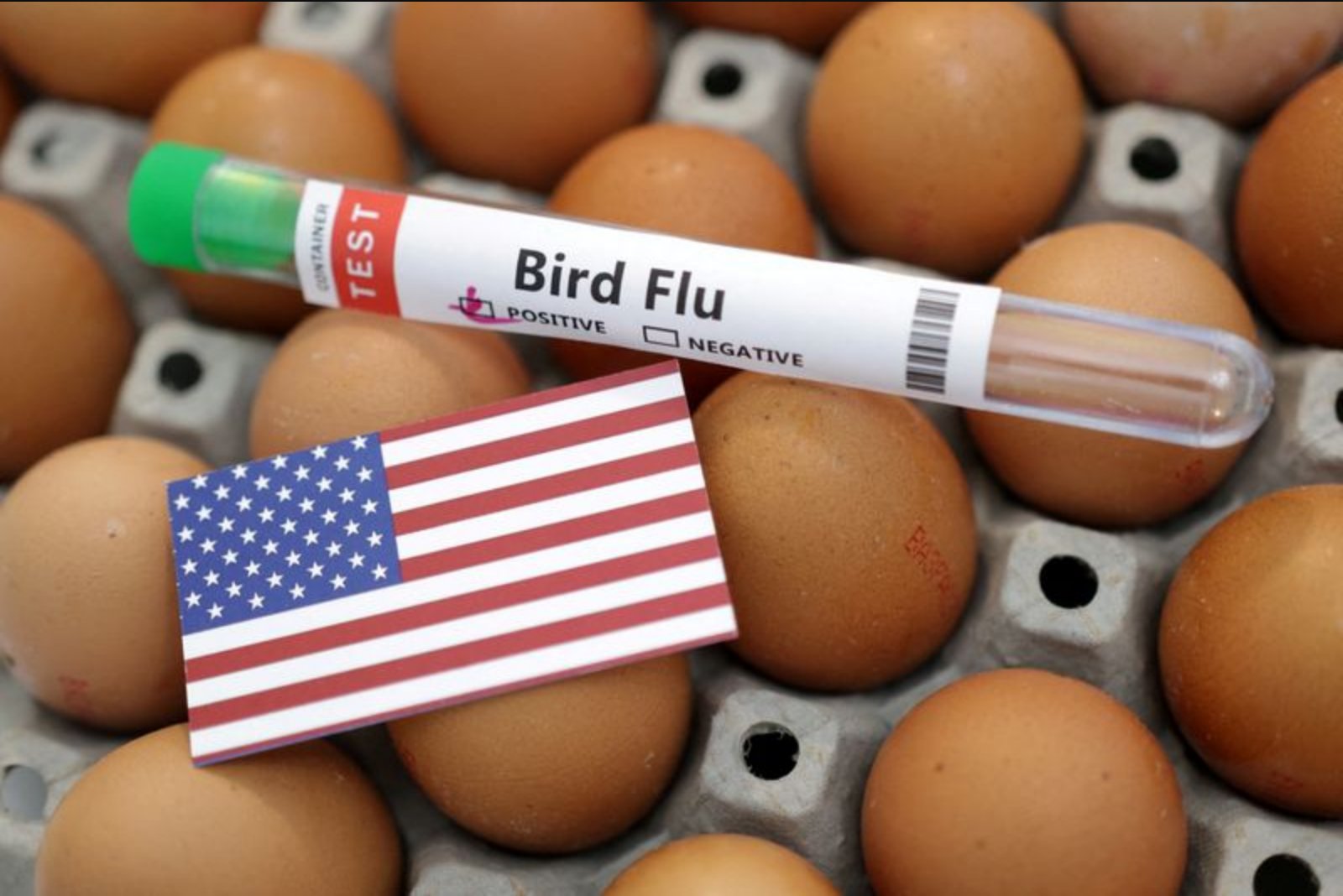
Avian influenza has swept through Pennsylvania poultry operations, eliminating 7.4 million chickens in the past month, officials and animal health experts say. The state-level losses extend a multi-year U.S. outbreak that began four years ago and has totaled 196 million birds lost across the country. The virus, which often moves via wild birds, has reached a wide range of hosts and has been detected in U.S. farm workers as well as in poultry and other mammals globally.
State leaders described the situation as acute. "We are obviously in crisis mode," Pennsylvania Governor Josh Shapiro said at a public forum this week, adding that cases were occurring "dramatically earlier in the season than what we expected." The timing has complicated containment efforts because the highest-risk windows for transmission to commercial flocks have historically coincided with spring and fall migration periods.
Wild birds that remained in Pennsylvania for the winter are suspected in several farm-level infections. Shannon Powers, a spokesperson for the Pennsylvania Department of Agriculture, said in an email that wild birds, including snow geese, which spent the winter in the state, were suspected to be the source of outbreaks in poultry. Veterinary specialists and industry representatives have described a pattern in which winter conditions may have altered wild bird behavior and their proximity to agricultural operations.
Dr. Megan Lighty, a veterinarian at Penn State University, said unusually frigid temperatures likely pushed wild waterfowl away from frozen rivers and ponds and closer to farms in search of open water and food. "The theory is that they were looking for sources of food and may have ventured closer to farms than they normally would," she said, while also noting she could not confirm that sequence of events definitively.
Geographically, losses have been concentrated in Lancaster County, roughly an hour west of Philadelphia, where poultry farms are closely spaced. Chris Herr, executive vice president of Pennsylvania agribusiness association PennAg, described seeing wild birds in the area earlier than usual, saying, "We had birds in this area maybe a little bit earlier than we normally would have had. In some cases, they got stuck here. They were looking for open water." That local density has been identified as a factor in the speed and scale of spread on the ground.
The state is a major egg producer, ranking fourth among U.S. states, and the impact on egg-laying operations is evident in the reported infections. In 2025, Pennsylvania's first commercial case of the year was recorded in February, which the U.S. government data indicates was the state's first outbreak in more than a year. This year, a commercial operation with 1.5 million egg-laying hens reported an infection in late January after a commercial duck farm tested positive in December 2025.
At infected operations, standard control measures require culling all birds. U.S. government data show that Pennsylvania farms with more than 7 million birds have reported outbreaks since January 28. Veterinarians warn that if the situation is already severe before the regular spring migration, additional movement of wild birds could expand the outbreak. "If things are this bad now, once spring migration starts and we've got more birds moving through the area ... my gut feeling is it's probably going to get worse," Lighty said.
The combination of an earlier-than-expected wave of infections, dense farm geography in areas such as Lancaster County, and winter weather patterns that may have driven wild birds closer to poultry facilities has created a complex response environment for animal health authorities and producers. Investigations into specific transmission routes are ongoing, and officials continue to monitor and report cases as they are confirmed.
Key details:
- 7.4 million chickens culled in Pennsylvania in the past month.
- U.S. outbreak began four years ago and has eliminated 196 million birds nationwide.
- Most recent cases concentrated in Lancaster County; Pennsylvania is the fourth-largest egg-producing state.