
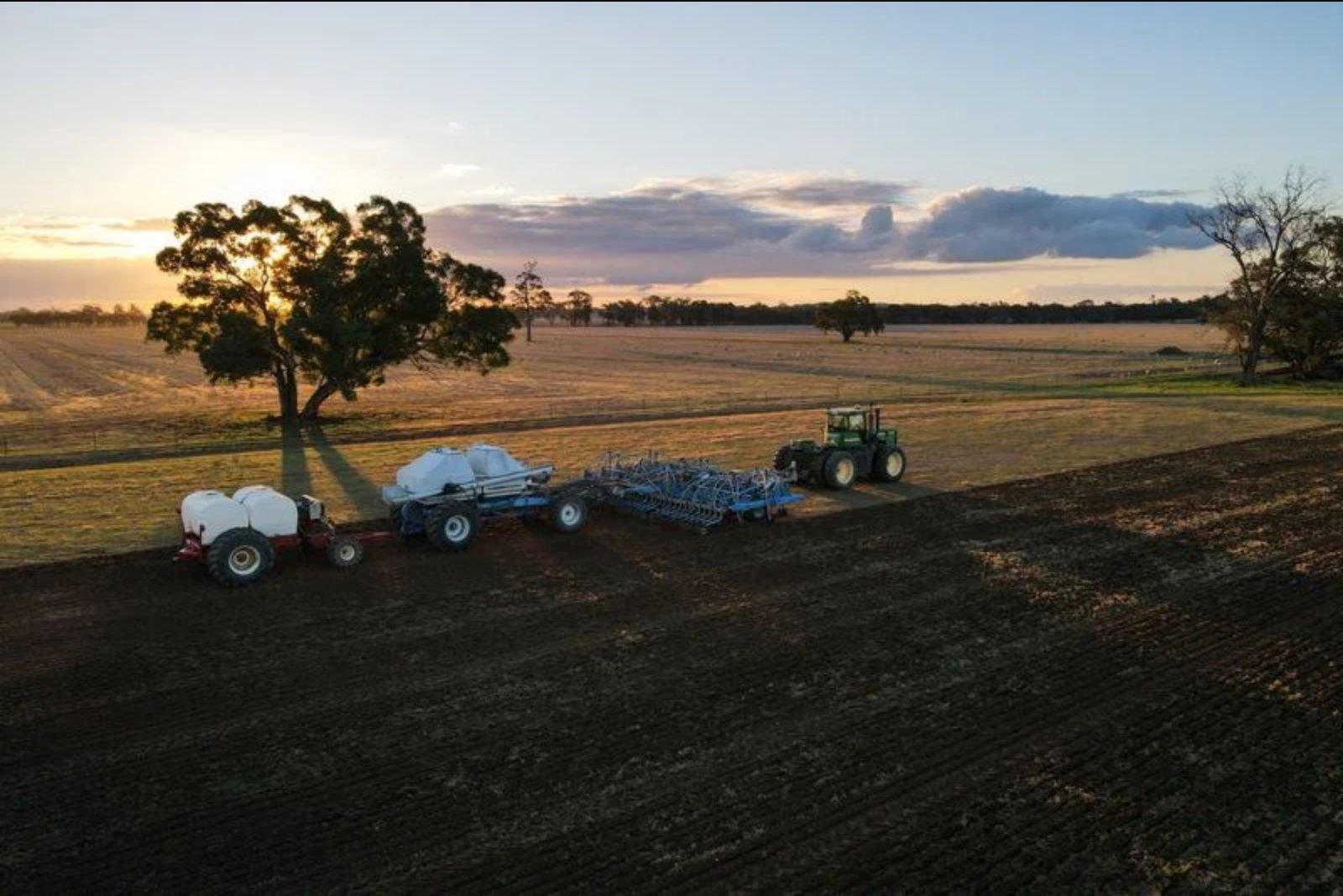
Australia’s upcoming wheat harvest is forecast to be the smallest in three years, the Australian Bureau of Agricultural and Resource Economics and Sciences (ABARES) said on Tuesday, as rising fertiliser costs and dry conditions in large parts of the country curb planting and reduce yield prospects.
ABARES projects the wheat crop this year at 26.7 million metric tons. That volume represents a decline of about 9 million tons from the previous season and is roughly 8 million tons below the five-season average, according to the agency’s quarterly crop report.
High fertiliser prices have been a major factor in the weaker planting outlook. ABARES said fertiliser costs have surged since the war in Iran choked off deliveries from Gulf nations. With input costs elevated, farmers are likely to apply less fertiliser, which will lower potential yields.
Weather has compounded the pressure on output. Much of Australia’s eastern states experienced months of below-average rainfall heading into sowing. While widespread rain in May improved crop conditions in some areas, the country’s weather bureau continues to forecast an El Nino pattern and below-median rainfall in the coming months.
"It will be crucial that adequate and timely supply of fertiliser is available and adequate rainfall is received to meet current yield projections," ABARES said.
ABARES estimated that the area sown to wheat will shrink by about 12% from last season to 10.9 million hectares, the smallest planted area since the 2019/20 season. That reduction in hectares, coupled with the likely lower nutrient inputs, underpins the weaker crop forecast.
Changes are not limited to wheat. Plantings of barley - a crop that typically requires less fertiliser than wheat - are expected to rise by around 4% to 5 million hectares. Despite the larger area, ABARES expects barley production to fall by about 15% to 14.1 million tons.
Canola, which typically demands significant fertiliser but provides higher value than wheat, is projected to see a drop in area of about 6% to 3.5 million hectares. The canola harvest is forecast to be roughly 20% smaller at 6.2 million tons.
Australia is a major exporter of wheat and other crops. ABARES said that lower domestic output would reduce global supply and is likely to put upward pressure on world prices - prices that reached two-year highs last month amid crop losses in the United States.
Sowing in Australia is just wrapping up and the bulk of the harvest is due toward the end of the year. ABARES emphasised that crop outcomes will depend on whether adequate fertiliser supplies are delivered in a timely way and whether rainfall is sufficient through the remainder of the season.
Sectors impacted: agriculture, global grain markets, fertiliser supply chains