
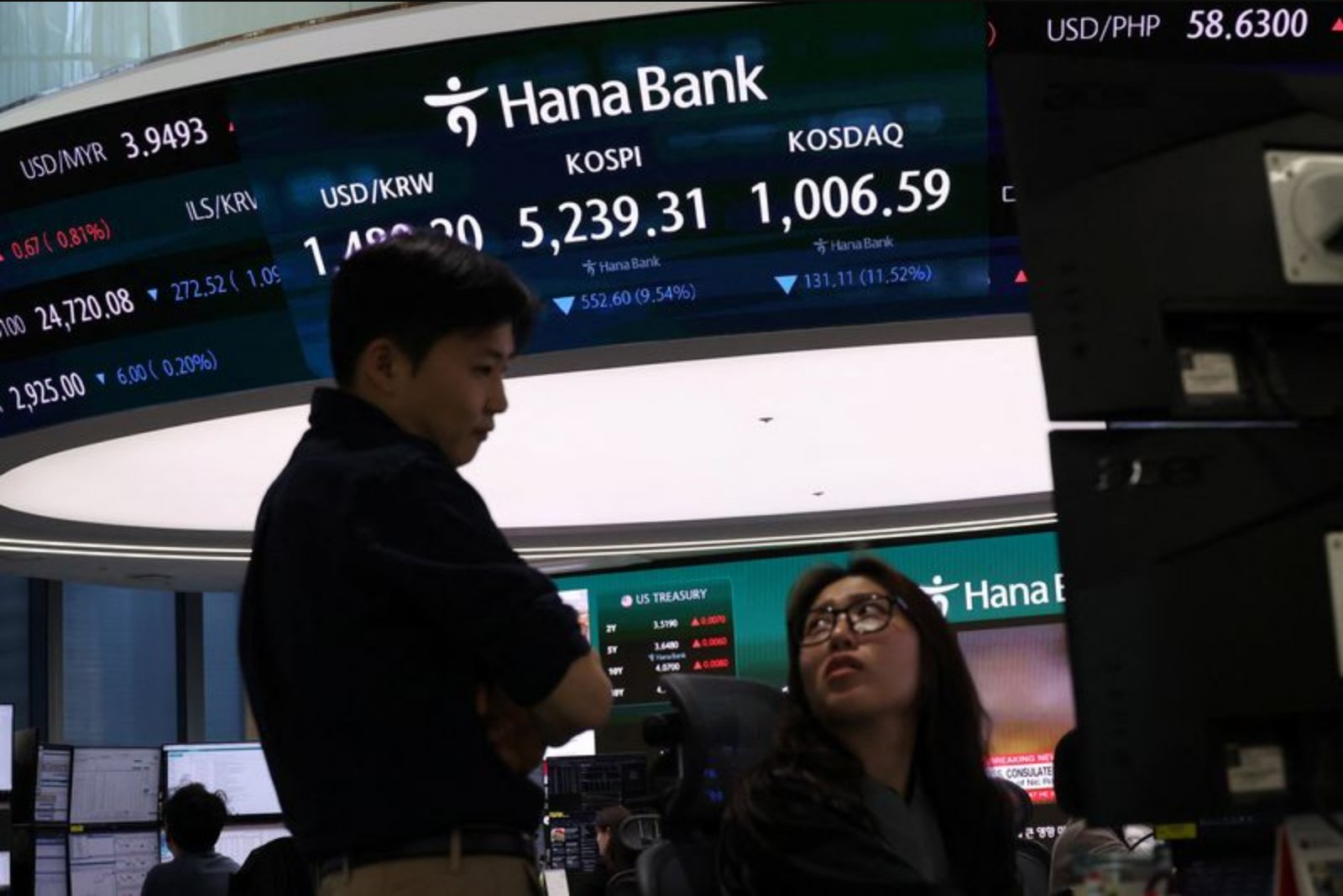
Market shock in Asia
Equity markets in Asia were sharply hit on Wednesday following a fresh eruption of conflict in the Middle East. South Korea's Kospi endured a catastrophic selloff, shedding 12% in what market records show is its worst single-day decline. Japan's Nikkei and Taiwan's benchmark each slid by approximately 4%. The scale of the moves forced trading halts in Seoul and other Asian financial centers as order books thinned and volatility surged. The Korean won weakened to levels not seen in 17 years amid the rush to liquidate positions and seek safer assets.
Energy risk and pricing dynamics
Asia's heavy dependence on imported energy from the Middle East means that both the immediate rise in prices and the threat of disrupted flows are particularly worrying for the region's large manufacturing economies. Brent crude and U.S. global benchmark crude extended gains of about 3% on Wednesday, though both were trading below the heels of the bigger spikes recorded a day earlier. That earlier move had pushed crude to 8-month and 19-month highs on respective benchmarks, reflecting the market pricing in supply uncertainty.
Global market tone: tentative pause elsewhere
Outside Asia, there were tentative signs that panic was tempering. European equities edged up about 0.5% in what bore the look of a pause after two days of heavy selling, and U.S. stock futures were slightly firmer. The dollar’s ascent also flattened out for the most part, even as government bond yields continued to climb. Precious metals, which had been unexpected losers earlier this week amid a scramble for liquidity, recovered some ground as the immediate dash for cash diminished somewhat.
Policy and operational responses
At the political and security level, an announcement indicated plans to provide shipping insurance and the potential for naval support to get energy shipments out of an effectively closed Gulf. Such measures may offer marginal reassurance to markets, although they are likely to take time to affect the flow of supply. Market participants, in turn, are having to frame their planning on a timeframe measured in weeks rather than days as they wait to see how the situation evolves.
Political uncertainty and market reaction
Uncertainty about leadership in Iran is adding to the murk. The killing of Ayatollah Ali Khamenei last weekend has left questions over succession and trajectory at the top of Iran's political hierarchy. Some investors found a degree of encouragement from reports that Tehran officials had opened a clandestine channel of outreach to Washington over the weekend to discuss de-escalation. Those reports, however, are a single input amid a range of variables that markets will watch closely.
Wider market concerns beyond oil
Investors are also turning attention to vulnerabilities outside the energy complex. Concerns have risen about private credit funds managed by large asset managers such as Blackstone and BlackRock. These worries are appearing in market commentary alongside the immediate geopolitical premium being placed on energy prices and the knock-on effects for corporate funding and liquidity.
Commodities snapshot: gas and gold
European gas prices have surged this week amid the supply disruptions tied to the Middle Eastern conflict, reaching their highest levels in three years and trading almost 20% above where they were a year ago. Europe is leaving winter with gas storage materially below five-year averages, even as the European Union told member states it does not expect any immediate hit to natural gas security. Gold and other precious metals, having lost some safe-haven luster earlier in the week, regained composure as the initial rush for cash subsided.
Upcoming data and corporate calendar
Market participants will digest a number of routine but important releases that could influence near-term sentiment. U.S. private payrolls data from ADP for February and S&P Global/ISM services sector PMIs are due, with the ADP figures garnering particular focus ahead of the U.S. government payrolls report later in the week. The U.S. Federal Reserve will also issue the latest Beige Book. On the corporate front, Broadcom is among firms reporting earnings that market watchers will monitor for signs of demand resilience or pressures.
The situation remains fluid. Traders and corporate treasurers are evaluating operational impacts, while policymakers and markets await further developments on both security and economic fronts.