
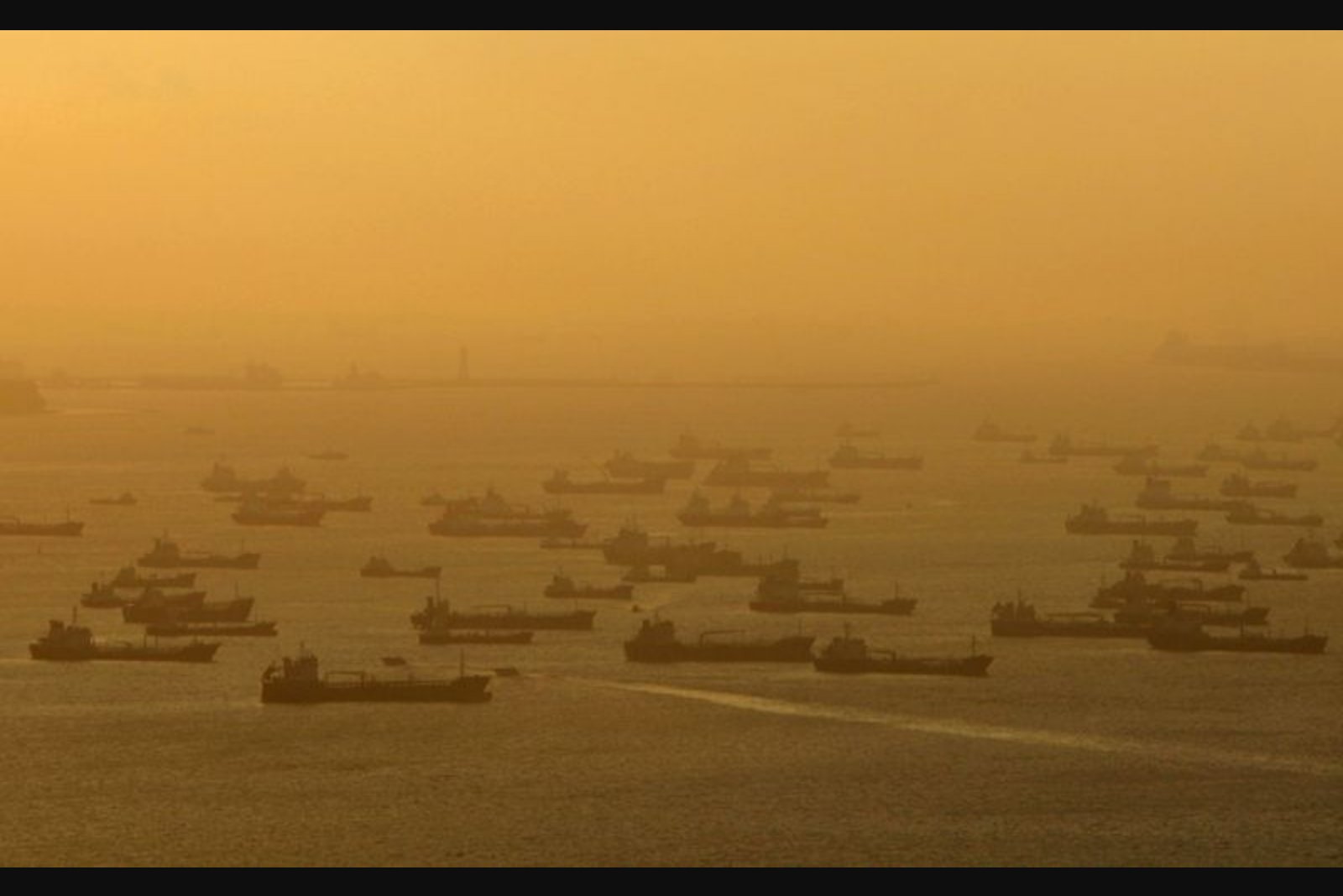
Fuel oil traders in Asia are encountering mounting difficulty in sourcing replacement cargoes after a sharp reduction in shipments from key Middle Eastern suppliers transiting the Strait of Hormuz. The disruption, attributed to the Iran war, has pushed buyers to pursue supplies from Western producers and regional refiners, but economics and logistics are proving challenging.
Market participants warn the squeeze on Middle Eastern volumes will tighten the supply of bunker fuel used to power ships. That tightening is already reflected in higher prices at major bunkering hubs, notably Singapore, where delivered high-sulphur bunker fuel has climbed by more than 40% and delivered low-sulphur fuel oil has risen by over 30% since the start of the war.
Volume data from Kpler indicates that fuel oil shipments bound for Asia which transit the Strait of Hormuz typically average about 1.2 million metric tons per month - roughly 246,000 barrels per day - with some 70% of those volumes landing in Southeast Asia. Overall, Kpler shows fuel oil exports via the Strait of Hormuz usually total about 3.7 million tons per month. Recent analysis of vessel activity by Kpler finds tanker transits are approximately 90% lower than last week.
"When such a large share of the global high-sulphur complex depends on a single chokepoint, even partial transit disruption can tighten balances quickly and amplify bunker volatility," said Sumit Ritolia, lead analyst for refining and supply modelling at Kpler.
Traders describe an increasingly difficult market setup for the second half of March, pointing to sky-high tanker rates and closed arbitrage routes to Singapore that undermine trading economics.
"Everyone is struggling to find oil for the second half of March. Tankers are too expensive and arbitrage to Singapore is closed," a trader based in Singapore said.
Possible alternative sources cited by traders include the United States and Mexico, but market participants say volumes from those origins are insufficient to replace lost Middle Eastern cargoes. Venezuela is another potential source, though its cargoes have remained in the West so far this year. Russian barrels are also an option in principle, but some buyers remain sensitive to them; Russian fuel continues to face sanctions linked to the war in Ukraine.
Iranian fuel oil, which has long been subject to sanctions, has continued to find buyers in China historically, but shipments have stopped because of the conflict and related disruptions. Consultancy FGE NexantECA warned that any reduction in Iranian high-sulphur fuel oil (HSFO) would likely push China’s independent asphalt producers to withdraw more straight-run fuel oil from Russia, further limiting availability in the Singapore Strait.
Regional Asian refiners might supply more cargoes, but these refiners are themselves cutting production as crude oil supplies tighten because of the Middle East hostilities, reducing the potential relief they can provide.
In the low-sulphur segment, price increases have been less pronounced because some supply continues to arrive from Brazil and Nigeria. At the same time, cargoes from Kuwait’s al-Zour refinery are shut in the Gulf, removing another potential source.
Traders also expect the costs of replenishing inventories to rise as the wider market tightens. While the market currently has a substantial build in onshore inventories in Singapore and a notable amount of fuel stored on ships, market participants anticipate those stockpiles will be drawn down sharply in the coming weeks.
The situation presents immediate implications for vessel operators and companies reliant on maritime transport. Rising bunker fuel prices will increase refuelling costs for ship owners, which in turn will feed through into higher transport costs for companies moving goods by sea.
Given the confluence of constrained transit activity through a key chokepoint, elevated tanker freight rates, sanctioned or sensitive supply sources, and production cuts at regional refiners, the market faces a period of heightened volatility and tighter physical availability of fuel oil.