
Commodities March 10, 2026

Aramco Warns of Severe Oil-Market Fallout if Strait of Hormuz Shipping Remains Disrupted

CEO says resumed transit through the strait is critical as inventories sit at five-year lows and regional threats risk choking exports

By Priya Menon
Aramco Warns of Severe Oil-Market Fallout if Strait of Hormuz Shipping Remains Disrupted

Saudi Aramco has cautioned that prolonged disruption to shipping in the Strait of Hormuz tied to the Iran war would have 'catastrophic consequences' for global oil markets. CEO Amin Nasser highlighted low inventories and accelerated drawdowns while confirming a small, contained fire at the Ras Tanura refinery is being brought back online. Regional statements from Iran’s Revolutionary Guards and a U.S. warning from President Donald Trump underline heightened geopolitical risk to energy exports.

Key Points

  • Aramco warns that persistent shipping disruption in the Strait of Hormuz could produce 'catastrophic consequences' for global oil markets and the broader economy.
  • CEO Amin Nasser said global oil inventories are at a five-year low and that the crisis will lead to faster inventory drawdowns; shipping through the strait must resume to prevent deeper market stress.
  • Operationally, a small fire at the Ras Tanura refinery from an attack was extinguished and the refinery is being restarted; Aramco reported a 12% annual profit decline and announced a first-ever buyback of up to $3 billion.

Saudi Arabia’s state oil company, Aramco, has warned that continued disruption of shipping through the Strait of Hormuz linked to the Iran war risks inflicting severe damage on global oil markets and the wider economy. The company’s chief executive said resumption of normal maritime traffic in the strait is essential to avoid intensifying pressure on inventories and supply chains.

On an earnings call, Amin Nasser described the potential fallout as severe, saying: "There would be catastrophic consequences for the world’s oil markets and the longer the disruption goes on, and the more drastic the consequences for the global economy." He emphasized that global oil inventories are at a five-year low and that the current crisis will accelerate drawdowns.

Nasser outlined the scope of disruption beyond shipping and insurance, noting that the effects are already reverberating and could extend to aviation, agriculture, automotive and other industries. He framed the ability to move oil and related goods through the Strait of Hormuz as a critical factor for market stability.

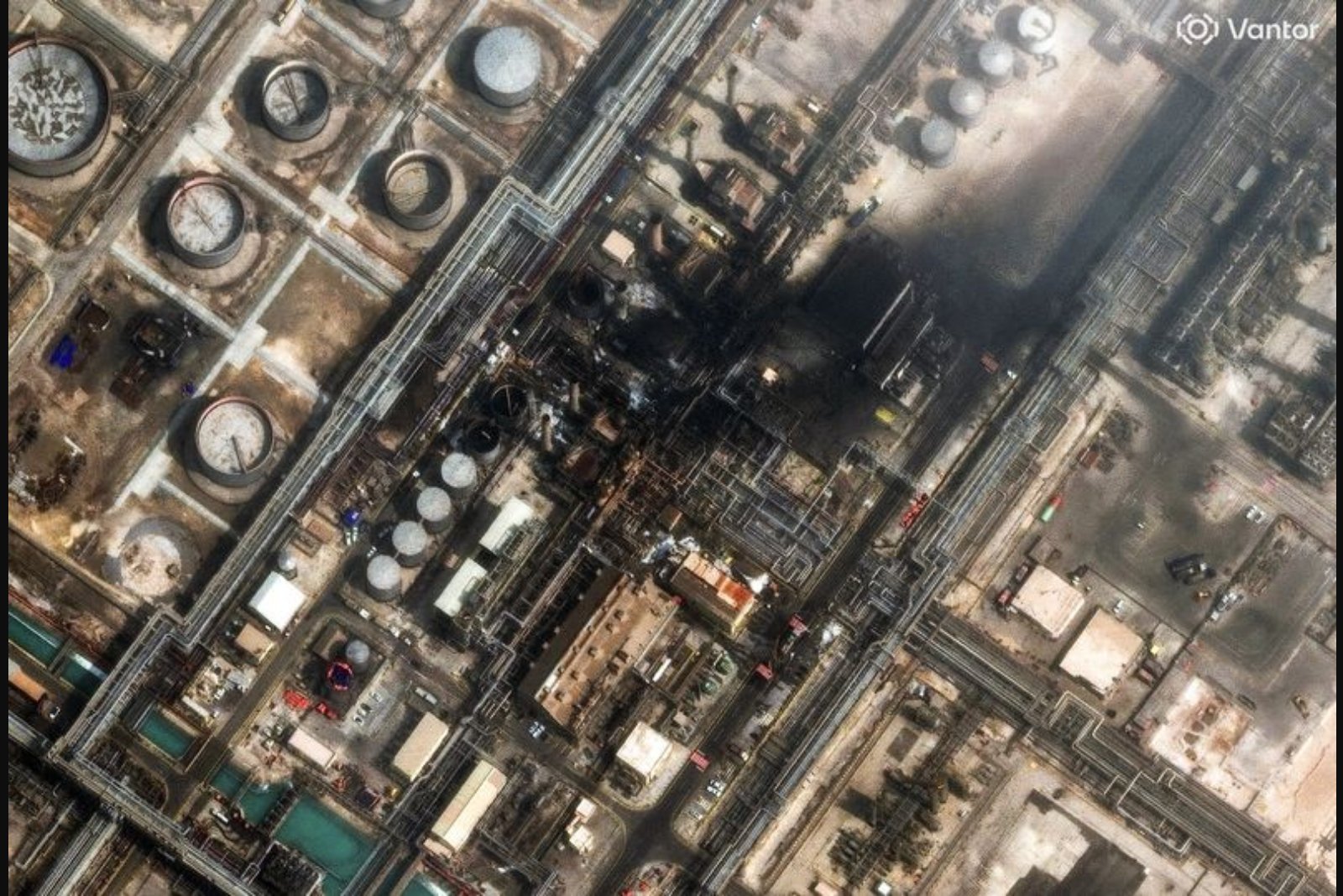
Aramco also confirmed operational damage from a recent attack on its Ras Tanura refinery, its largest facility inside Saudi Arabia. The company said a small fire last week was quickly extinguished, brought under control, and that the refinery is in the process of being restarted.

Separately, Iran’s Revolutionary Guards issued a statement indicating they would not allow "one litre of oil" to be shipped from the Middle East if U.S. and Israeli attacks continue. That declaration drew a response from President Donald Trump, who warned that the United States would strike Iran more forcefully if Tehran moved to block exports from the energy-producing region.

Aramco’s earnings report for the year showed a 12% decline in annual profit, a reduction the company attributed mainly to lower crude prices. Alongside the results, Aramco announced its first-ever share buyback plan, authorizing repurchases of up to $3 billion.


The remarks and operational updates come amid an environment where constrained inventories, geopolitical threats to chokepoints and direct impacts to refining operations combine to heighten risks for oil supply and for industries dependent on reliable energy and transport corridors.

Risks

  • Prolonged disruption of shipping through the Strait of Hormuz - threatens not only oil and shipping sectors but also aviation, agriculture, automotive and other industries due to cascading supply chain impacts.
  • Escalating regional threats to exports - statements by Iran’s Revolutionary Guards that they would block shipments if attacks continue and the U.S. warning of harsher retaliation increase uncertainty for energy flows.
  • Drawdowns from already low inventories - with global oil stocks at a five-year low, ongoing disruptions could deplete reserves faster, heightening market volatility and downstream supply risks.

More from Commodities

Japan to Back IEA Coordinated Oil Release as Iran Conflict Raises Economic Concerns Mar 10, 2026 Gabon’s Return to the IMF Faces Doubts Over Data and Reform Resolve Mar 10, 2026 European Gas Slides After Trump Says Iran War Will End 'Very Soon' Mar 10, 2026 Trump and Putin Discuss Iran Conflict and Ukraine as U.S. Considers Easing Oil Sanctions on Russia Mar 10, 2026 Gold Edges Higher as Markets Weigh Iran De-escalation and Oil Supply Risks Mar 9, 2026