
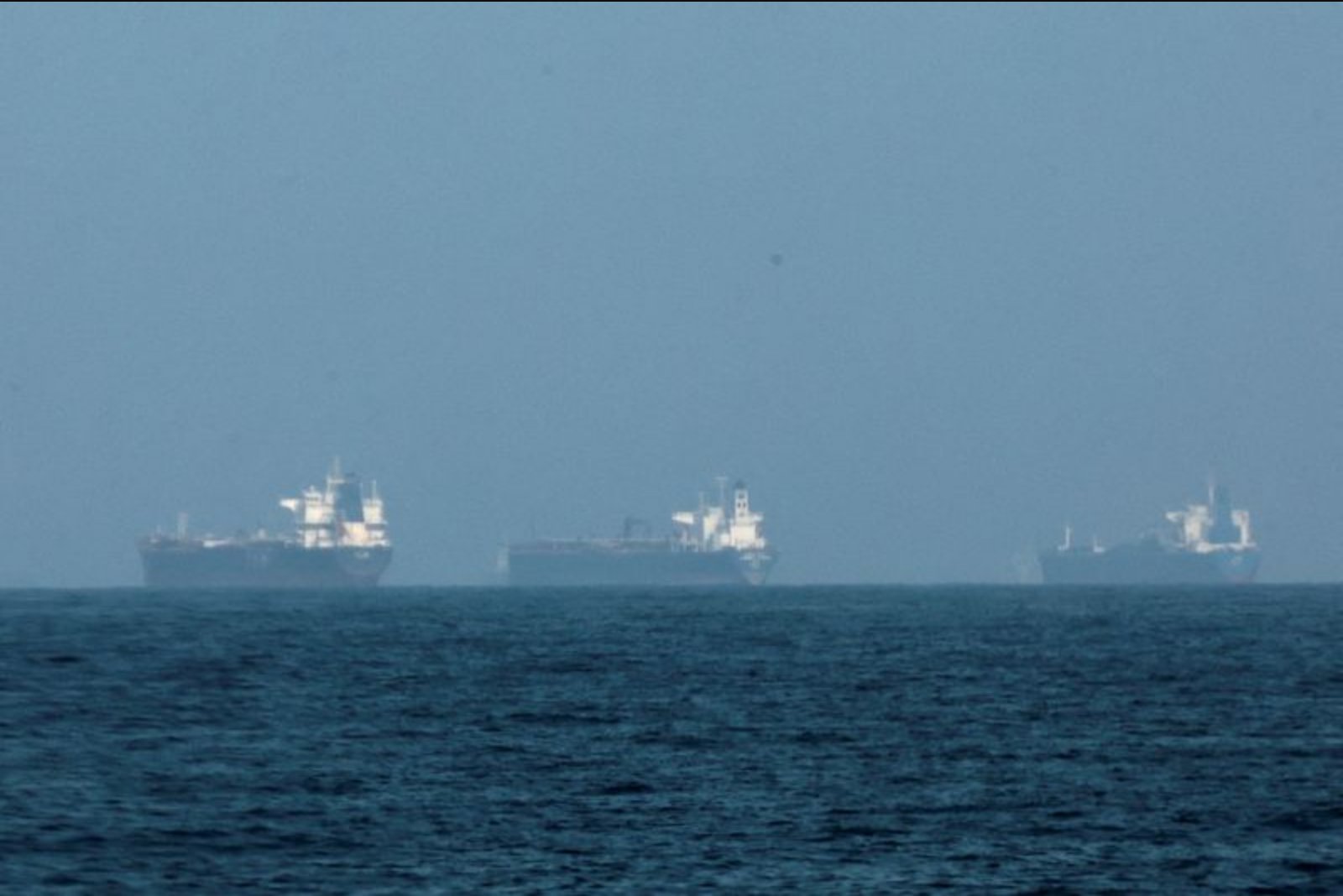
Heavy crude oil produced across the Americas climbed to multi-year price highs on Wednesday as a disruption to Middle Eastern exports pushed buyers toward barrels of similar quality from the U.S., Canada and Venezuela. The moves come after U.S.-Israeli attacks on Iran that have crimped flows from the region and provoked threats from Tehran to fire on any vessel transiting the Strait of Hormuz - a development market participants say has effectively closed the vital passage.
Benchmark crude prices have surged since the initial attacks last week, with Brent trading at levels not seen since January 2025. Market sources reported that Iran’s stated intention to target vessels in the strait has left hundreds of ships waiting outside the waterway and cut off roughly one-fifth of global oil supplies, shrinking the pool of competitively priced Middle Eastern crude available to refiners worldwide.
Refiners are responding to the interruption in several ways, with immediate implications for refinery input costs and consumer fuel prices. With Middle Eastern barrels curtailed, the market has pushed up the price of heavier grades produced in the Americas that refiners can substitute. That dynamic has been most visible in key U.S. Gulf grades and in the shifts in flows from Canada and Venezuela.
One benchmark of heavier U.S. Gulf supply, Mars sour crude, traded at a $5.50 per barrel premium to U.S. benchmark West Texas Intermediate (WTI) on Wednesday, brokers said. That premium represented the highest level for Mars since April 2020, and marked a $1.75 increase from Tuesday’s levels. Rohit Rathod, a senior analyst at ship tracking firm Vortexa, said market participants appear to be moving quickly to secure these barrels given expectations that the Middle East conflict may persist: "Buyers seem to be rushing to buy up these barrels as they expect the Middle East conflict to drag on longer."
Higher prices for heavier crude will weigh on refinery margins even for facilities not directly cut off from supplies, industry analysts said. Many U.S. refineries are configured to run heavier, higher-sulfur crude and are likely to employ those feedstocks as they shift toward boosting diesel output in response to rising diesel prices.
Supply concerns extended beyond the immediate impact on regional benchmarks. Iraq, the second-largest producer in OPEC, warned on Tuesday that it could be forced to reduce production by more than three million barrels per day within days if oil tankers cannot move freely to Gulf loading points, according to two Iraqi oil officials. Refiners in India, South Korea and the United States that source Iraq’s Basrah grade would need to replace that crude with barrels of similar quality from other regions if shipments are blocked.
Domestic U.S. grades also reflected the shift to heavier demand. Heavy Louisiana Sweet, a Gulf Coast grade, closed at a $5.25 per barrel premium on Tuesday compared with WTI - the highest since 2020 - and traded $1 higher than Light Louisiana Sweet. That inversion, with a heavier grade fetching more than a lighter grade, signals elevated demand for heavier barrels that typically trade at a discount to lighter crudes.
Canadian heavy crude discounts to WTI tightened by $1.25 per barrel since last Friday as buyers in India and China, squeezed by reduced Middle Eastern supplies, likely shifted part of their demand to Canada, which is among the world’s largest producers of heavy crude. Pipeline capacity for those flows is a factor: the Trans Mountain pipeline, which carries heavy crude from Alberta’s oil sands to the British Columbia coast for export, was reported to be operating below full capacity. Patrick O’Rourke of ATB Cormark Capital Markets highlighted the potential for quick uptake of remaining spot capacity on Trans Mountain if the Iran situation persists: "We could see significant uptake of the remaining spot capacity on the Trans Mountain pipeline within weeks to a month if the Iran situation continues."
Venezuelan heavy crude was also offered at higher prices, market sources said, contributing to the broader move up the quality curve for heavy and sour barrels.
The squeeze in crude availability has already filtered through to consumer markets. In the United States, the price of gasoline rose above $3.00 per gallon for the first time since November, elevating a politically sensitive cost for motorists. Diesel, which is particularly exposed to disruptions in Middle Eastern supply, closed at $3.19 per gallon on Tuesday - the highest closing level since October 2023 - and touched $3.45 during Wednesday’s session. Traders and analysts noted U.S. diesel inventories had fallen sharply after a period of high demand during a severe winter, leaving less cushion in the market.
Market participants said light sweet crude grades should begin to see upward price pressure as the shortage of Middle Eastern supply persists. Neil Crosby, an analyst at Sparta Commodities, said light sweet barrels were likely to face increases due to the emerging shortfall. Evidence of that move appeared in premiums for Brazilian light crude destined for China, where offers were thin; traders reported the premium above ICE Brent for that grade had jumped to $13 to $14 per barrel, compared with a $2 to $3 premium before the conflict, according to two traders.
Meanwhile, U.S. WTI was trading at discounts of as much as $8.75 per barrel relative to globally traded Brent on Wednesday, the widest gap in more than three years. Market participants attributed the discount partly to expectations that U.S. supply would be less directly affected by the Middle Eastern developments than Brent-linked supply.
Separately, Japan’s second-largest refiner, Idemitsu Kosan, purchased two million barrels of WTI from SK Energy for June delivery, traders said, underscoring ongoing commercial activity as companies adjust procurement plans amid the market disruption.
The evolving displacement of Middle Eastern barrels onto other supply sources and the shifting premiums across heavy and light grades underscore the interconnectedness of global refining and shipping networks. For refiners, traders and end consumers, the near-term trajectory of prices will hinge on the duration of the Iran-related disruption and the ability of alternative supply routes and grades to fill the gap.