
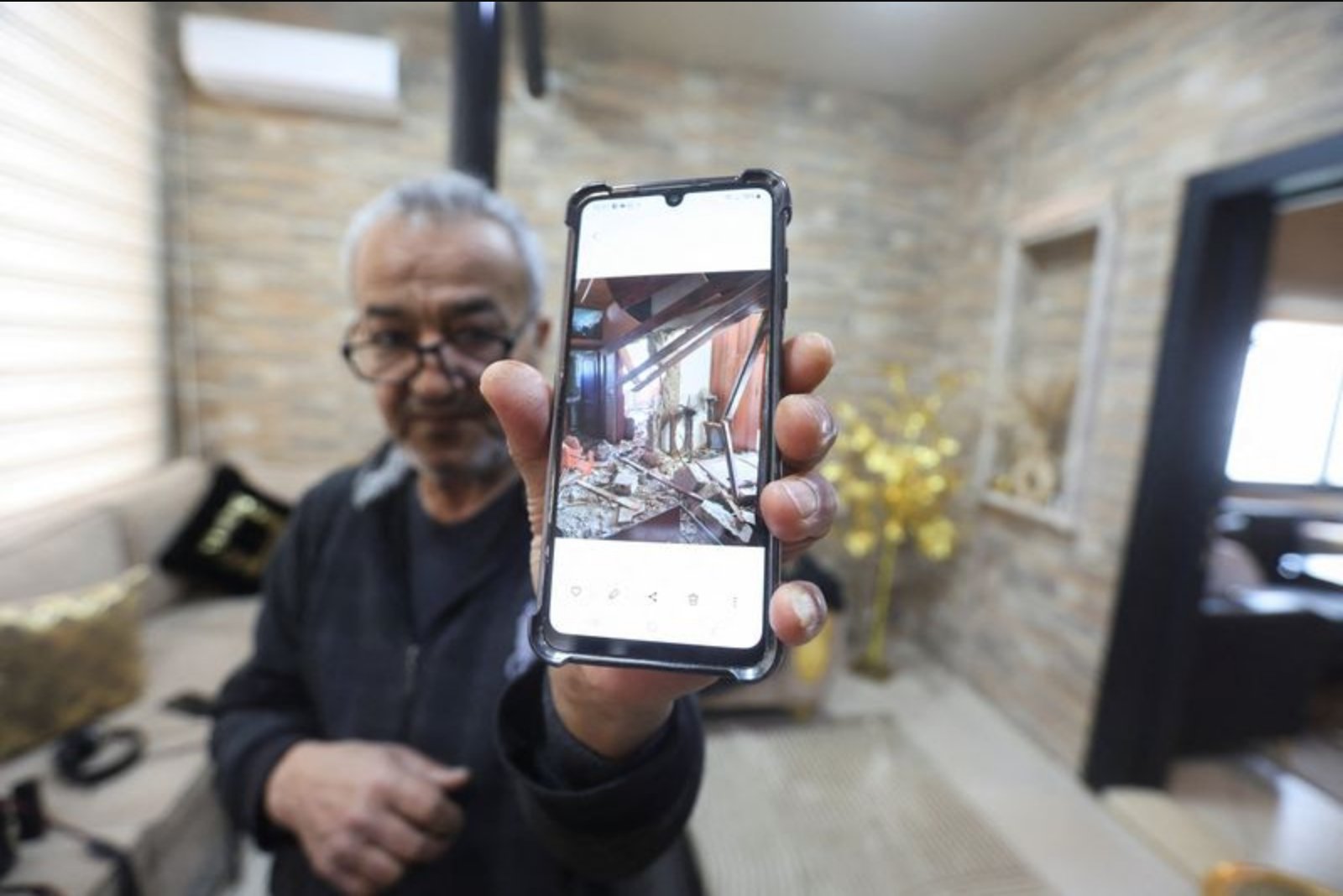
Just days after showing family and friends the work he had done to repair a home battered in last year’s conflict, Hussain Khrais left that same house and his town once more. The 66-year-old, who had spent months and around $25,000 restoring his property after the 2024 clashes between Israel and Hezbollah, fled Khiyam - roughly five kilometres from the Israeli border - as Israeli forces carried out heavy airstrikes in response to rocket and drone attacks by Hezbollah.
Khrais spoke to reporters from a relative’s apartment near Beirut where he and his family are sheltering. He described the emotional toll of watching television coverage that showed Israeli troops and tanks moving deeper into Khiyam, and expressed the disorientation of displacement: "Is the house I worked so hard to build, or the business I started, still there? Or is it all gone?"
The pattern of leaving, returning and rebuilding is painfully familiar to Khrais. He has been uprooted at least four times over the last 40 years by incursions and air raids, each cycle ending with him coming back to damaged streets and starting again. The war that forced him to repair his home ended 15 months ago; in its aftermath he financed the repairs largely on his own.
Two weeks before the latest wave of violence, Khrais had already expressed fear that fresh fighting could explode again. "I’m at an age where I can’t start all over again. That’s it," he said. Those fears were realised when Hezbollah launched rockets and drones into Israel - an escalation that followed airstrikes by the United States and Israel against Iran on February 28 - prompting a renewed Israeli bombardment of parts of Lebanon.
For many Lebanese whose homes were harmed or destroyed in the previous round of fighting, reconstruction has come primarily at personal cost. With little aid from the state and limited support from Hezbollah’s social welfare programme, most homeowners tapped private resources to rebuild. That burden has been compounded by ongoing difficulties in accessing savings held in commercial banks after the country's financial collapse in 2019, leaving families to shoulder reconstruction expenses with constrained liquidity.
The new round of operations has produced additional displacement across Lebanon. About 300,000 people have fled in the last week amid Israeli airstrikes and evacuation directives from the Israeli military - directives that cover roughly 8% of Lebanese territory. Khrais is staying with around 20 relatives, some who left Khiyam and others displaced from heavily struck areas in Beirut’s southern suburbs.
Those crowded rooms provide little privacy and a constant reminder of what remains unsettled. "I’ve been in Beirut for four days now, and these four days feel like 400 years," Khrais said. He spoke most tenderly about the domestic rituals and images that anchor him - the sight of his grandchildren’s photographs on the walls of their bedrooms. "That sight is worth the world’s treasures - to see my grandchildren’s pictures in Khiyam."
He has no confirmed news about the condition of his house. While he hopes it has survived the latest bombardment, he prepared himself for the possibility that it may have been destroyed. "The big shock would be if I came back and didn’t find it. But my feeling says no, God willing, it will remain. And like I said, even if we don’t find the house, we’ll go back and rebuild," he said.
Situation snapshot:
- Khiyam is about five kilometres from the Israel-Lebanon border.
- Khrais spent months and around $25,000 repairing war damage from the previous conflict, which ended 15 months ago.
- About 300,000 people were displaced in the last week by Israeli strikes and evacuation orders affecting roughly 8% of Lebanese territory.
- Reconstruction has largely been funded privately due to limited state support and constrained access to savings in commercial banks following the 2019 financial collapse.
The immediate human impact is clear in accounts like Khrais’s: the loss of routine, the anxiety over whether personal investments in housing and small businesses still stand, and the prospect of another cycle of rebuilding after years of interruptions. For now, he and his relatives wait - watching developments from the relative safety of Beirut, uncertain whether they will be able to return and resume the fragile work of restoration.