
Commodities March 5, 2026

Administration Weighs Maritime Insurance and Limited Tools to Counter Rising Energy Costs

Wolfe Research says a government-backed insurer could be feasible but broader policy options are constrained

By Marcus Reed
Administration Weighs Maritime Insurance and Limited Tools to Counter Rising Energy Costs

Officials have signaled a preference for measures aimed at steadying shipping and oil markets as energy prices climb amid the Iran-related conflict. Wolfe Research, in a note led by Tobin Marcus, concluded a proposed government-backed maritime insurance program appears legally achievable under the U.S. International Development Finance Corporation, but cautioned its practical impact is uncertain and other policy levers are limited.

Key Points

  • Wolfe Research, led by Tobin Marcus, says the administration is focusing on measures to stabilize shipping and oil markets amid the Iran-related conflict - impacting shipping, oil markets, and energy consumers.
  • A proposed government-backed maritime insurance program appears legally feasible under the U.S. International Development Finance Corporation, but its success depends on whether private shipping firms will use it - relevant to tanker operators and insurers.
  • Alternative policy options are limited to measures such as Strategic Petroleum Reserve releases, biofuel policy adjustments, or a temporary gasoline tax holiday (the last requiring congressional approval) - affecting fuel markets and fiscal policy.

The U.S. administration has begun to outline potential steps to address rising energy prices associated with the conflict involving Iran, but analysts at Wolfe Research say the policy toolkit available to the government is likely narrow.

In a research note led by Tobin Marcus, Wolfe Research reviewed recent public statements and proposals from the administration and observed a clear emphasis on interventions designed to stabilize both shipping routes and oil markets.

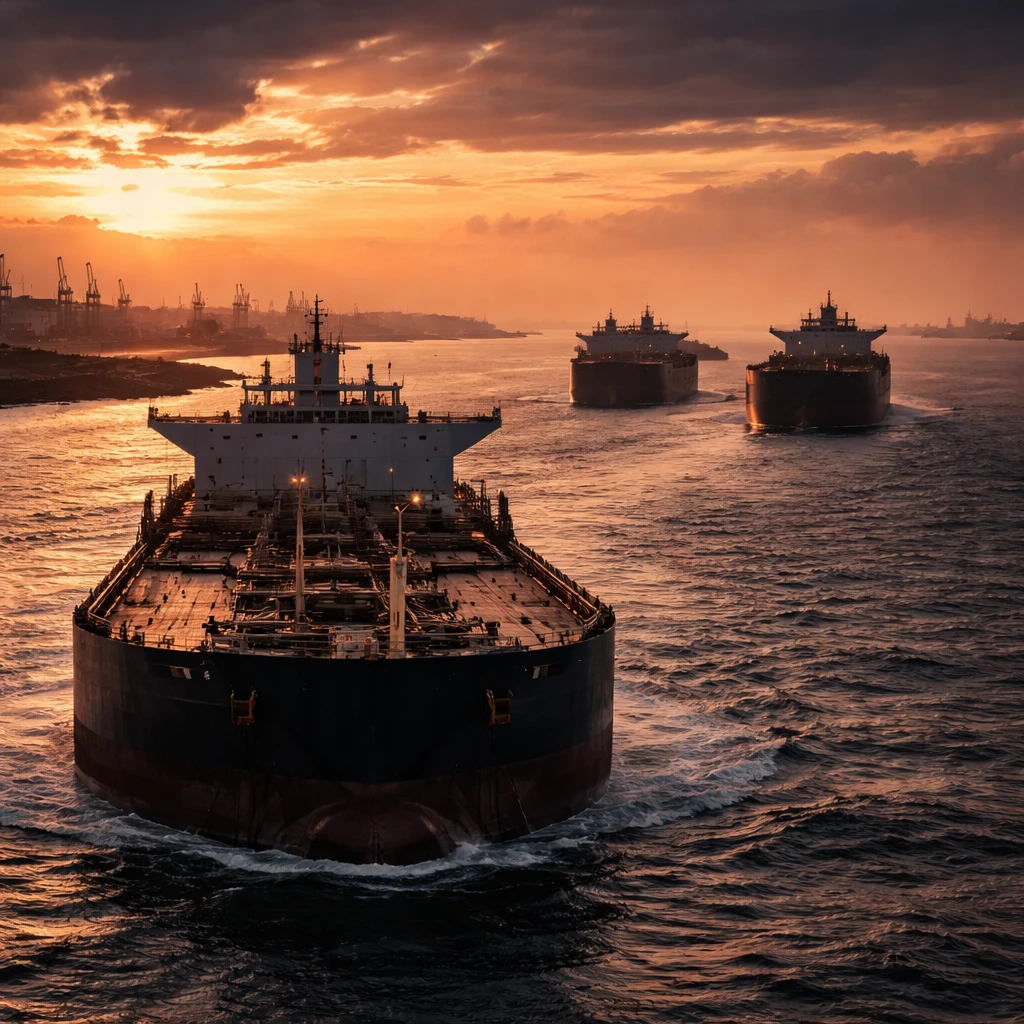
One central proposal highlighted by the firm is a government-backed maritime insurance scheme intended to encourage tankers to transit the Strait of Hormuz. Wolfe Research said this approach appears to be legally feasible under the authorities of the U.S. International Development Finance Corporation.

“We think the answer to the ‘can he do this’ question is ‘yes,’” the note said, citing the agency’s broad authority to provide insurance or reinsurance against political risks, including war.

While the legal pathway may be open, the research team cautioned that the effectiveness of such an insurance program will hinge on whether private shipping companies actually choose to rely on it.

“Will this be reassuring enough to maritime industry participants that they’ll actually transit the Strait of Hormuz? That’s less clear to us,” Wolfe Research wrote, and further noted that implementing a program of this sort would take time.

Beyond the maritime insurance proposal, Wolfe Research identified only a few other policy options that could be pursued if disruptions to oil flows were to deepen. Possible measures listed by the firm include a release from the U.S. Strategic Petroleum Reserve, adjustments to biofuel policy, or a temporary gasoline tax holiday - the latter of which would require congressional approval.

The note concluded that while policymakers can pursue limited interventions, the trajectory of energy prices is more likely to be shaped by developments on the ground in the conflict zone than by economic policy actions at home.

“We expect that energy price impacts will depend more on battlefield dynamics than on economic policy responses,” the research team said.


Summary: Wolfe Research judges a government-backed maritime insurance program is legally possible under the U.S. International Development Finance Corporation, but practical uptake by private shippers and the time needed to implement limits near-term impact. Other policy responses exist but are constrained, and market outcomes may chiefly reflect developments in the conflict itself.

Risks

  • Private shipping companies may not rely on a government-backed insurance program, reducing its ability to restore normal tanker traffic through the Strait of Hormuz - risk to shipping and oil supply chains.
  • Implementation of a maritime insurance program would take time, potentially limiting near-term effects on energy prices - timing risk for energy markets and consumers.
  • Energy price movements are likely to be driven more by battlefield developments than by economic policy responses, leaving markets exposed to geopolitical uncertainty - risk for oil prices and downstream sectors.

More from Commodities

UK to Augment Qatar Squadron with Four Additional Typhoon Jets, Prime Minister Says Mar 5, 2026 Israel Begins Gradual Reopening of Airspace as Repatriation Effort Continues Mar 5, 2026 Israel Moves to Target Iran’s Buried Ballistic Missile Sites as Campaign Shifts Phase Mar 5, 2026 U.S. Submarine Sinks Iranian Warship Near Sri Lanka as NATO Shoots Down Missile Headed for Turkey Mar 5, 2026 Global Markets Pause as Geopolitical Tensions and Data Take Center Stage Mar 5, 2026