
(Corrects wording in paragraphs 7-10 to clarify the Global Carbon Budget report contains projections for 2025, not for 2027)
Ten years after the Paris Agreement came into force, an array of recent climate datasets paints a clear picture: the pace of global warming has accelerated. Scientists report that 2025 ranks among the three warmest years on record, while oceans and sea levels reached new critical benchmarks over the period across 2023-2025.
Political developments have complicated the international response. U.S. President Donald Trump, described in public statements as sceptical of climate change, has dismantled a range of environmental regulations over the past year and characterized climate change as a hoax. That stance has contributed to broader challenges for the environmental agenda in multiple countries. At last year’s annual United Nations meeting in Brazil, countries agreed to pledge more funding to assist poorer nations with adaptation to extreme weather. However, delegates did not reach consensus on more explicit commitments to phase out fossil fuels or to strengthen national emissions-cutting plans.
Emissions - concentrations and projections
Measurements from the World Meteorological Organization’s Global Atmosphere Watch network show sustained increases in atmospheric concentrations of carbon dioxide, methane and nitrous oxide, with levels rising to record highs. Scientists link those increases to the marked temperature spike observed from 2023 through 2025.
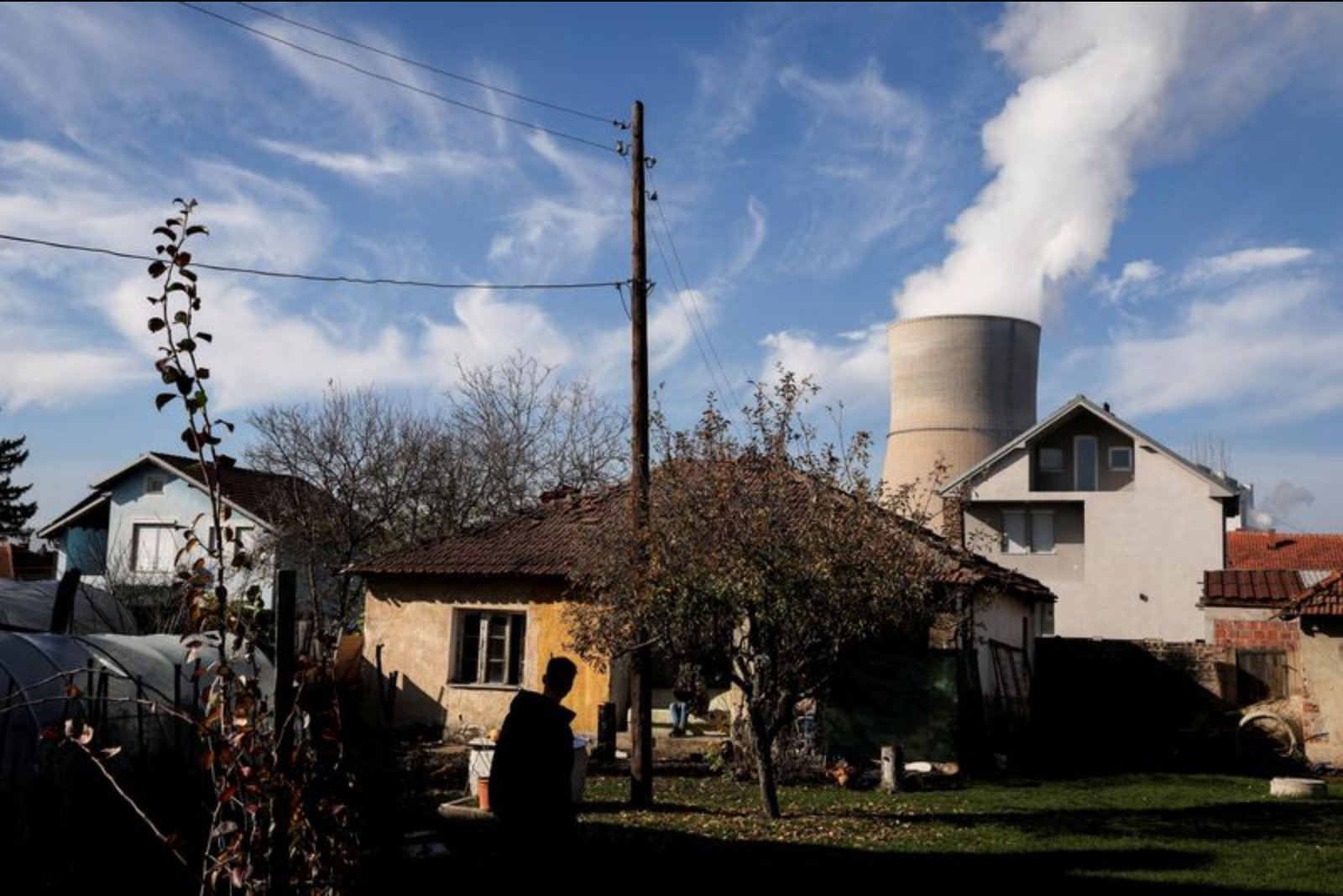
The Global Carbon Budget report, compiled by an international team of more than 130 scientists, projects that global fossil fuel carbon dioxide emissions will climb to a record 38.1 billion tonnes in 2025. The report attributes the rise to increased use of coal, oil and gas even as renewable energy expands rapidly. The team estimated a 1.1% increase in global fossil fuel CO2 emissions for 2025, and said that atmospheric CO2 concentrations are now roughly 52% above pre-industrial levels.
Researchers highlight a narrow remaining allowance for CO2 if the world aims to limit warming to 1.5 degrees Celsius above pre-industrial levels - about 170 billion tonnes of CO2, equivalent to roughly four years of emissions at current rates. The Global Carbon Budget projects emissions increases in 2025 for China, India, the United States and the European Union, with a projected decline in Japan. The report also notes China’s significant investments in renewable energy.
Temperatures - 2025 among the warmest years
Temperature analyses from leading agencies show 2025 at historically high levels. NASA’s Goddard Institute for Space Studies calculated the Earth’s surface temperature for 2025 at 1.19 degrees Celsius above the 1951-1980 average, effectively tying with 2023 as one of the warmest years measured. The World Meteorological Organization’s consolidated dataset places 2025 at 1.44 degrees Celsius above pre-industrial levels, ranking it among the top three warmest years in the 176-year record of global temperatures.
Arctic - sea ice and rapid regional warming
The U.S. National Oceanic and Atmospheric Administration’s 2025 Arctic Report Card confirmed that the period from October 2024 to September 2025 was the warmest since 1900. The Arctic continues to warm at a rate more than twice the global average. Sea-ice extent reached the lowest winter maximum ever recorded in March 2025, at about 14.47 million square kilometers, according to the U.S. National Ice Center.
Oceans - heat content and rising seas
Oceans absorbed record amounts of heat in 2025, with upper-ocean heat content reaching a new global high, based on analyses from NOAA and Berkeley Earth. Sea levels, tracked by tide gauges and satellites, continue an upward trend. The Intergovernmental Panel on Climate Change projects a sea level rise of 0.20 to 0.29 meters by 2050 relative to the period 1995-2014.
Collectively, these independent observational datasets and scientific reports point to strengthened signals of accelerated warming, rising greenhouse gas concentrations, diminishing Arctic sea ice and increasing ocean heat and sea levels. Policy responses at international forums have produced some increased funding for adaptation, but have not yet yielded agreement on explicit fossil fuel phase-outs or enhanced emissions-cutting commitments.
Where datasets and projections are limited or uncertain, the primary scientific reports themselves note those limits. The Global Carbon Budget report provides year-ahead projections for 2025; the temperature and ocean analyses report on observed conditions through 2025. The climate record and the various agency reports present consistent evidence of a warming trajectory that intensified in the mid-2010s and continued into 2025.