
Truist Securities reiterated a Buy rating on Vail Resorts (NYSE: MTN) and retained a $234.00 price target after speaking with the company’s CFO in Vail, Colorado last week. That price target represents roughly a 69% increase from the stock’s recent trading price of $137.99, and InvestingPro analysis cited in the firm’s commentary indicates the shares appear undervalued relative to their Fair Value assessment.
Management engagement and product strategy
In its write-up, Truist noted the company has been actively addressing negative narratives that have circulated in both traditional outlets and social media over recent years. Part of the response includes a shift toward more creative and lower-cost day-pass options designed to broaden access and potentially shore up visitation. Truist highlighted these product moves as evidence that the operator is taking a more proactive approach to demand stimulation.
Weather risk and earnings sensitivity
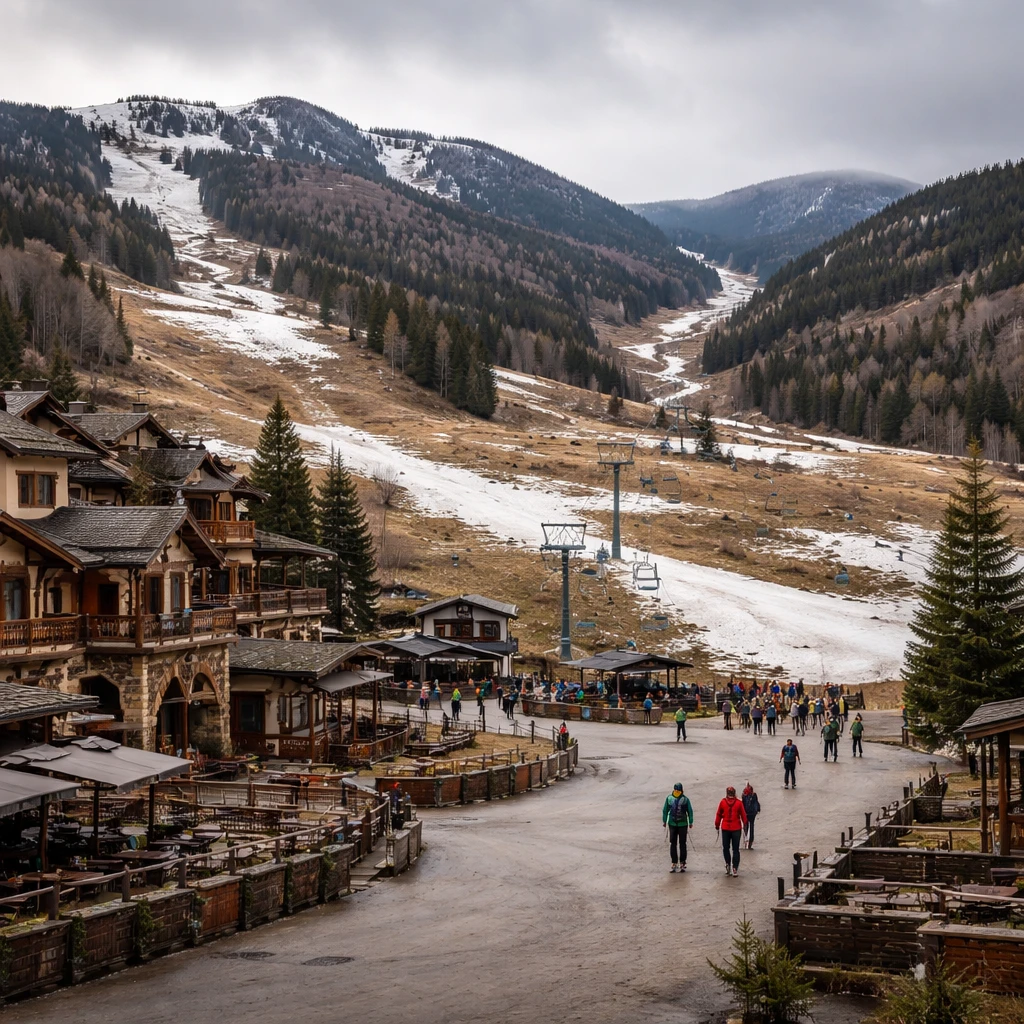
However, Truist also flagged a material near-term risk tied to weather. The firm said that unless there is meaningful improvement in snowfall in Colorado and Utah for the balance of the season, the company faces an increasing chance of at least a moderate downside to earnings versus the already-lowered guidance. Truist emphasized that the possibility of further guidance reductions was not discussed during the meeting with Vail’s CFO and that this scenario reflects Truist’s own assessment.
Recent operating performance and peer views
Vail Resorts released operating data showing a substantial 20% drop in skier visits, which the company attributed to historically poor snowfall across the western United States. That reduction in visitation coincided with a 1.8% decline in total lift revenue. Ancillary business lines were hit harder: ski school revenue fell 14.9% and dining revenue decreased 15.9%.
Brokerage views on the company are varied. Stifel has kept a Buy rating, citing that first-quarter adjusted EBITDA came in line with expectations and pointing to positive momentum in pass sales after marketing changes. Jefferies upgraded Vail from Hold to Buy and raised its target to $165.00, expressing a constructive outlook for the 2026-27 season. By contrast, UBS stayed Neutral with a $169.00 target and singled out the steeper-than-expected decline in visitation as a key concern.
Truist itself modestly trimmed its price target to $234.00 while maintaining its Buy stance, attributing the adjustment to underwhelming early-season snow at Vail’s Colorado and Utah resorts. Collectively, these analyst actions underscore differing interpretations of Vail’s near-term operational sensitivity to weather versus its longer-term commercial initiatives and pass-sale dynamics.
Conclusion
The consensus among the analyst community reflected in these notes is mixed: there remains confidence among several brokers that Vail can navigate through the season via pricing and marketing adjustments, but persistent poor snowfall and the resulting decline in visits and ancillary revenues have left the near-term outlook uncertain.