
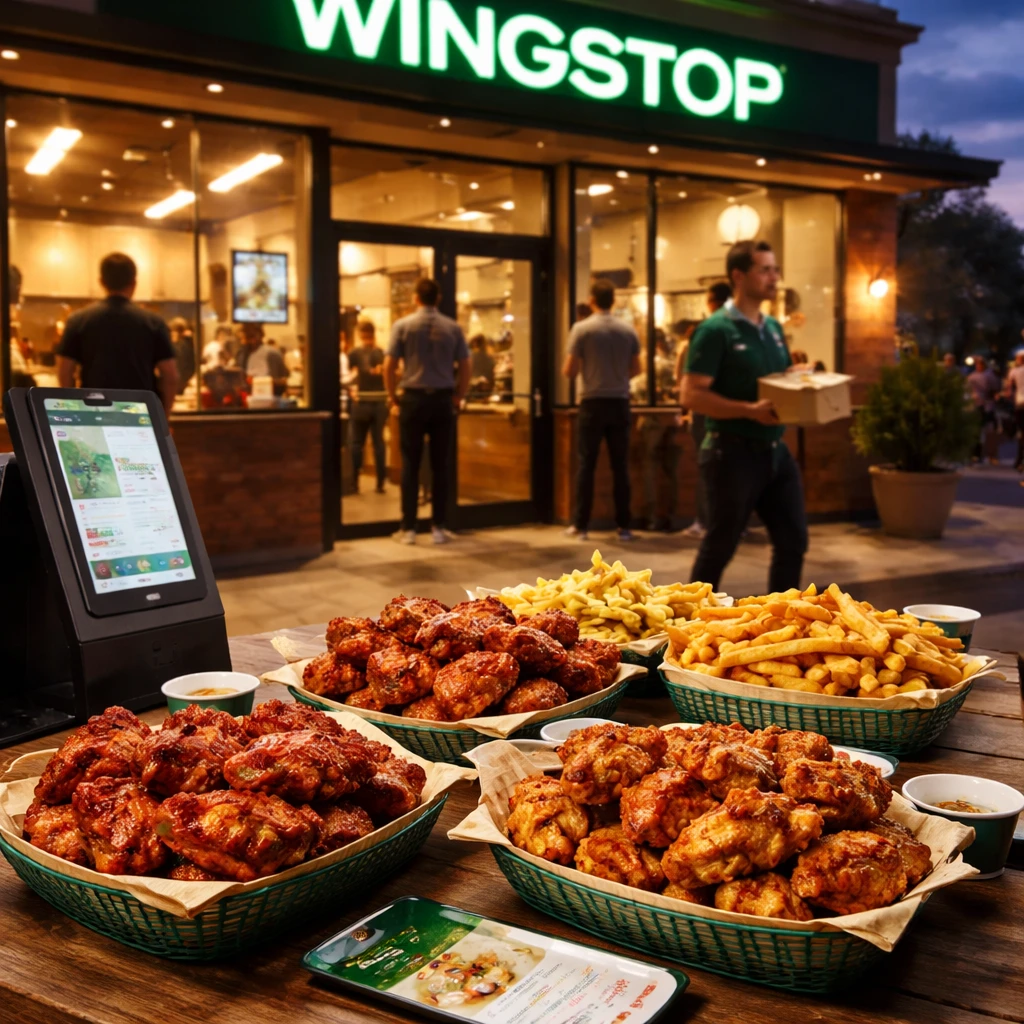
TD Cowen has reaffirmed its Hold rating on Wingstop (NASDAQ: WING) and left its price target unchanged at $285.00, describing the company as a "battleground stock" that is drawing sharply different views from market participants. At the time of the assessment, WING was trading at $265.75, which places TD Cowen's target at approximately 7% higher than the market price.
Market data from InvestingPro shows the stock's calculated Fair Value sits slightly below current trading levels, while the shares carry a relatively high price-to-earnings ratio of 43.72. The stock's volatility is notable as well, with a Beta of 1.82 reported by InvestingPro, underscoring the divergent positions among investors.
Investor divide and expectations
TD Cowen notes a clear split in investor sentiment. On one side, bearish investors point to near-term sales pressures that they say could constrain the company's performance. On the other side, bullish investors emphasize Wingstop's potential to grow units and recover same-store sales in the longer term. After speaking with market participants, TD Cowen says that most expect the company to guide to flat same-store sales for 2026, reflecting tempered expectations for comparable sales in the coming year.
Bull case: operational advantages and growth potential
Supporters of Wingstop's outlook highlight several competitive advantages. They point to the chain's digital capabilities and an operational model that keeps build-out costs low, which together help sustain an industry-leading return on invested capital. Bulls expect the business to restore mid-single-digit same-store sales growth by 2027 and to reach longer-term average unit volumes of $3 million in sales.
Recent company performance underpins some of the optimism: Wingstop reported 15.56% revenue growth over the last twelve months and a PEG ratio of 0.54, metrics that bulls argue indicate attractive value relative to the company's growth profile.
Bear case: guidance and execution risks
Those taking a more cautious stance flag the upcoming guidance for 2026 as a potential stress point. TD Cowen warns that if the company posts a second consecutive year without positive comparable sales, many bullish investors could become discouraged. Bears also raise the prospect that sustained sales challenges may ultimately slow the pace of unit expansion.
TD Cowen says alternative data referenced by bearish investors suggest Wingstop could miss first-quarter 2026 expectations, though the firm stopped short of changing its Hold rating or the $285 price target in light of those concerns.
Analyst landscape and near-term catalyst
The broader analyst consensus leans toward Buy, with an average recommendation score of 1.52. Yet individual firms hold divergent views. Jefferies has maintained a Buy rating and set a $350 price target, anticipating earnings and EBITDA broadly in line with expectations despite expected negative same-store sales for the fourth quarter. Melius Research recently upgraded Wingstop from Hold to Buy, citing confidence in high-teens unit growth and rising average unit volumes. At the same time, TD Cowen has moved from Buy to Hold as it cited concerns around same-store sales for 2026 while trimming its price target to $285. Stifel continues to recommend Buy with a $290 target, highlighting what it describes as a structural shift that could reward patient investors even amid current negative sentiment.
Investors have a near-term calendar item to monitor: Wingstop is scheduled to report earnings in just 8 days on February 18. TD Cowen and market participants view that release as a possible catalyst that could clarify the company's same-store sales outlook and influence investor positioning.
Other developments
On the consumer side, Wingstop has expanded its menu with a limited-time Hot Honey Trio, introducing new flavors available nationwide. While a menu promotion does not alter the differing analyst views, it is a development that may affect customer interest in the near term.
Overall, the stock sits at the center of a debate between those focusing on near-term sales hurdles and those emphasizing structural advantages and longer-term unit economics. TD Cowen's Hold rating and $285 target reflect the firm's assessment that the company remains a contested investment case, at least until clearer guidance and results arrive.