
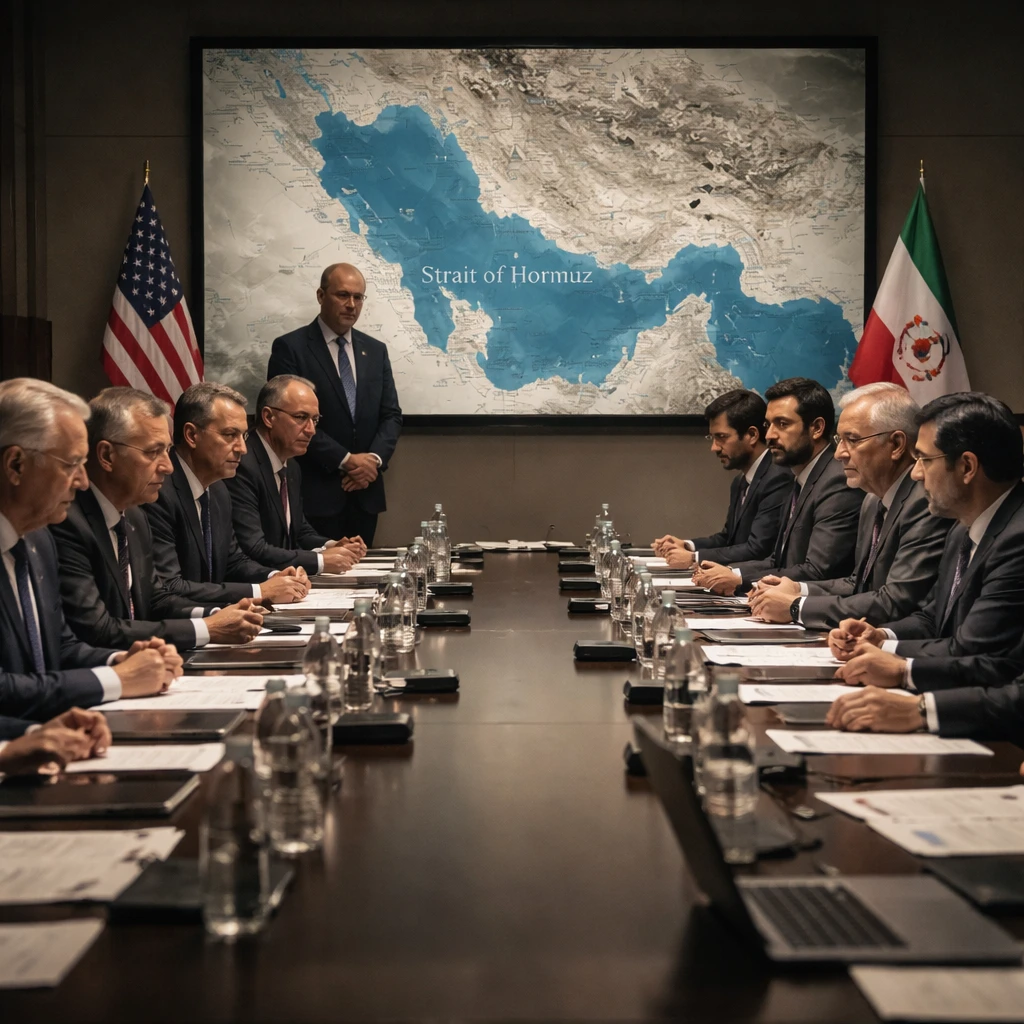
U.S. and Iranian officials are weighing a proposal to extend their current ceasefire - which is scheduled to end on Tuesday - by an additional two weeks to provide more time for negotiating a durable settlement, according to a person familiar with the matter.
Mediators are working to convene technical-level discussions that would concentrate on some of the most contested issues between the two sides. Those technical talks are expected to address, in particular, the reopening of the Strait of Hormuz and the details of Iran’s nuclear enrichment program.
The idea behind the staged approach is pragmatic: if the technical sessions achieve meaningful progress on specific, narrowly defined items, they could pave the way for a subsequent round of negotiations involving senior officials from both countries.
The broader confrontation dates back to February 28, when U.S. and Israeli forces carried out a bombardment of Iran. That campaign caused extensive damage to Iran’s military capabilities and infrastructure. In turn, Iran’s counterstrikes produced widespread destruction across the Middle East and effectively closed the Strait of Hormuz, a development that pushed energy prices higher.
Despite efforts to create momentum through talks, several significant obstacles remain. Iran has maintained that it has a right to enrich uranium for civilian purposes. In contrast, Trump has declared that Iran should be prohibited from enrichment to prevent any path toward nuclear weapons development. Separately, both the U.S. and Israel have demanded that Iran surrender or destroy its stockpile of highly-enriched uranium.
The current diplomatic push centers on narrowing technical disagreements in the hope of enabling higher-level diplomacy. Whether the ceasefire will be extended through the proposed two-week window will depend on progress in organizing and conducting those technical discussions and on the degree to which they address the core points of contention identified by both sides.
Summary
U.S. and Iranian parties are considering a two-week extension of a ceasefire that ends on Tuesday to permit further negotiations. Mediators aim to hold technical talks on reopening the Strait of Hormuz and Iran’s nuclear enrichment; success there could lead to senior-level talks. The conflict began on February 28 with a U.S. and Israeli bombardment of Iran and subsequent Iranian counterstrikes that closed the Strait of Hormuz and raised energy prices. Key sticking points include Iran’s claimed right to civilian enrichment, Trump’s position that enrichment should be banned, and U.S. and Israeli demands to eliminate Iran’s highly-enriched uranium stockpile.