
April 15 marked four years since large-scale fighting erupted in Sudan, a war that the United Nations describes as the world’s worst humanitarian crisis. The violence has its roots in a split between two generals who once governed together and now lead rival armed forces that control separate halves of the country.
Who is fighting
The primary belligerents are the Sudanese army, commanded by General Abdel Fattah al-Burhan, and the Rapid Support Forces (RSF), a paramilitary formation led by General Mohamed Hamdan Dagalo. Both men were allied in 2019 when they helped remove long-time ruler Omar al-Bashir from power, after which Burhan assumed the role of head of state. The alliance collapsed after the two staged a coup that disrupted a fragile transition toward civilian rule, and disputes later emerged over a proposed new transition and how their forces would be integrated.
Open hostilities began on April 15, 2023, and the conflict rapidly drew in numerous local militias aligned with one side or the other. It has also attracted foreign involvement. U.N. researchers, U.S. lawmakers, and the Sudanese army have stated that the United Arab Emirates provided crucial support to the RSF through intermediaries in Sudan’s neighborhood, an allegation the UAE denies. The Sudanese army is reported to have varying levels of support from regional actors including Egypt, Turkey, Saudi Arabia, and Qatar.
How the fighting is unfolding
The RSF consolidated control over Darfur last year, establishing the region as its main stronghold in the west and beginning to set up parallel civil administration there. The Sudanese army retains control over much of the eastern portion of the country. The central battleground is now the Kordofan region between these zones, and the RSF has opened an additional front along the border with Ethiopia in Sudan’s southeast.
Drone operations have replaced many traditional ground offensives as the dominant method of combat. That shift has eroded the army’s prior advantage in air power. The increased use of aerial strikes and bombardments has contributed heavily to civilian casualties; U.N. figures attribute at least 700 civilian deaths to the conflict so far this year.
Impact on civilians and public services
The human cost has been severe. U.N. assessments indicate nearly three-quarters of Sudan’s population require humanitarian assistance. Famine, or an acute risk of famine, has been declared in multiple conflict hotspots, and access to food and aid has frequently been restricted by blockades or bureaucratic obstacles imposed by the warring parties.
Public health infrastructure has broken down in many parts of the country, allowing outbreaks of disease such as dengue fever to spread. Waves of targeted killings by the RSF have been documented across the war’s duration; U.N. researchers say some of these incidents bear the hallmarks of genocide, most recently in al-Fashir in North Darfur.
Reliable mortality figures are difficult to produce because ongoing violence and the suspension of monitoring have prevented comprehensive counts. The Sudanese health ministry reported to Reuters that it has recorded 11,209 deaths across most states of Sudan, while independent experts caution that excess deaths since the start of the conflict likely number in the hundreds of thousands.
Even as needs grow, funding for relief is inadequate. The U.N.’s 2026 appeal for Sudan has been met with just 17% of requested funds. At the same time, the United States has stepped back from foreign aid commitments, European donors have reduced contributions, and wealthy Gulf states have favored direct bilateral donations. As a result, international aid groups are cutting back operations and local mutual aid organizations have had to expand their roles.
Grassroots efforts, including the Emergency Response Rooms that were nominated for the Nobel Peace Prize, have filled critical gaps. Yet a recent study by the aid group Islamic Relief finds more than 40% of local community kitchens run by these groups have been forced to close because of a lack of support.
Efforts to end the conflict
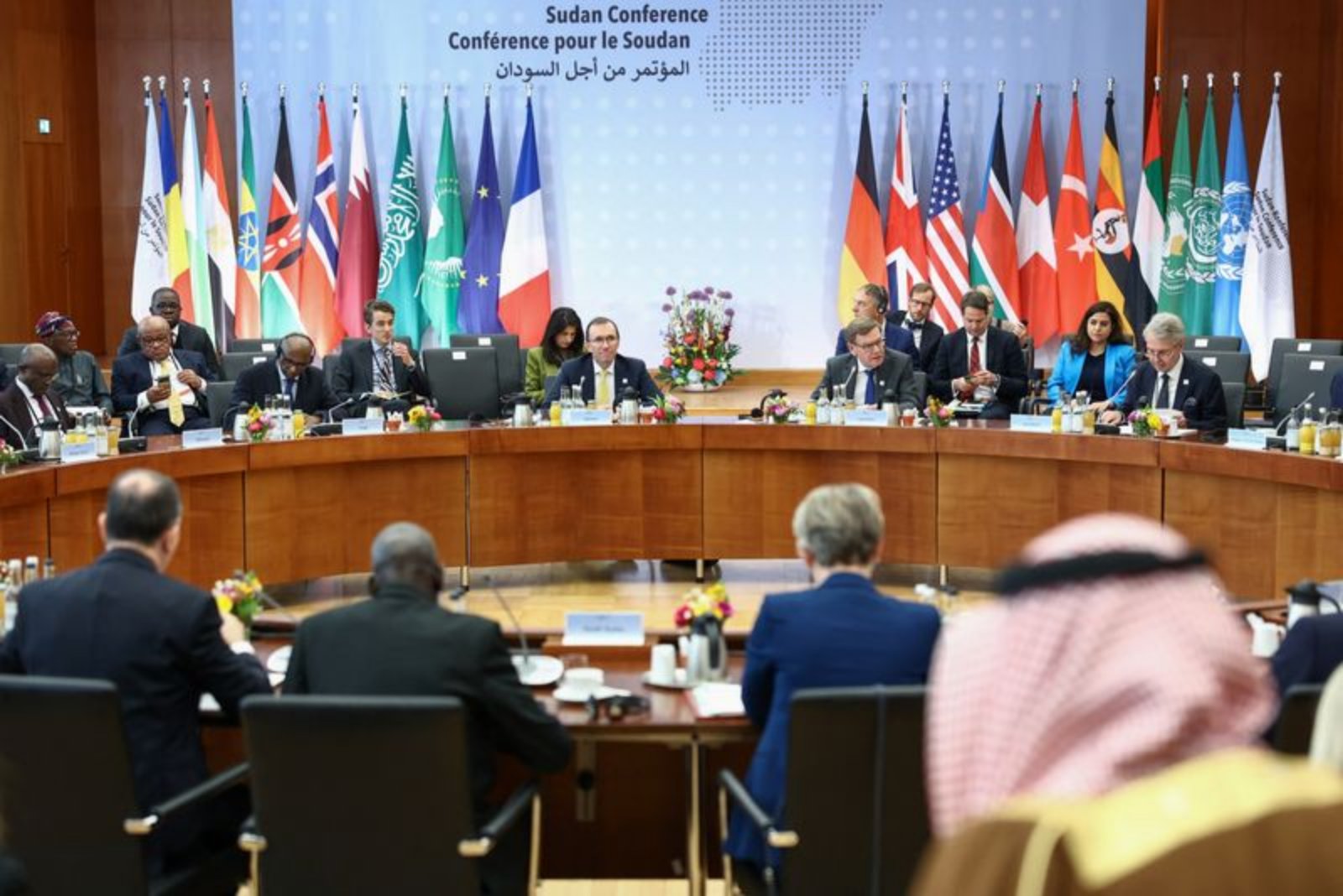
Global leaders have publicly expressed concern, but attempts to negotiate a lasting ceasefire have yet to succeed. The United States has led a diplomatic grouping known as the Quad - comprised of the U.S., Egypt, Saudi Arabia, and the United Arab Emirates - which presented a preliminary ceasefire proposal to both sides last year. The army and the RSF have alternately accepted and rejected mediation efforts as the situation on the ground shifts, and fighting continues without a clear prospect for cessation.
Outlook and constraints
The combination of sustained combat, increasing use of drones, fragmented regional involvement, and diminished humanitarian funding has entrenched a multi-year emergency. With major donor attention and financing reduced and with mediation efforts stalling amid changing battlefield realities, the immediate outlook for a negotiated end to hostilities remains uncertain.
Key takeaways
- This conflict pits the Sudanese army against the RSF, stemming from a 2019 alliance that collapsed after a coup and disputes over integration and transition plans.
- Control is split geographically - the RSF dominates Darfur in the west while the army holds the east - and the current fighting is concentrated in Kordofan and along the Ethiopian border in the southeast.
- Civilians face a deepening humanitarian catastrophe: disrupted healthcare, disease outbreaks, famine risks, and severe funding shortfalls for aid operations.