
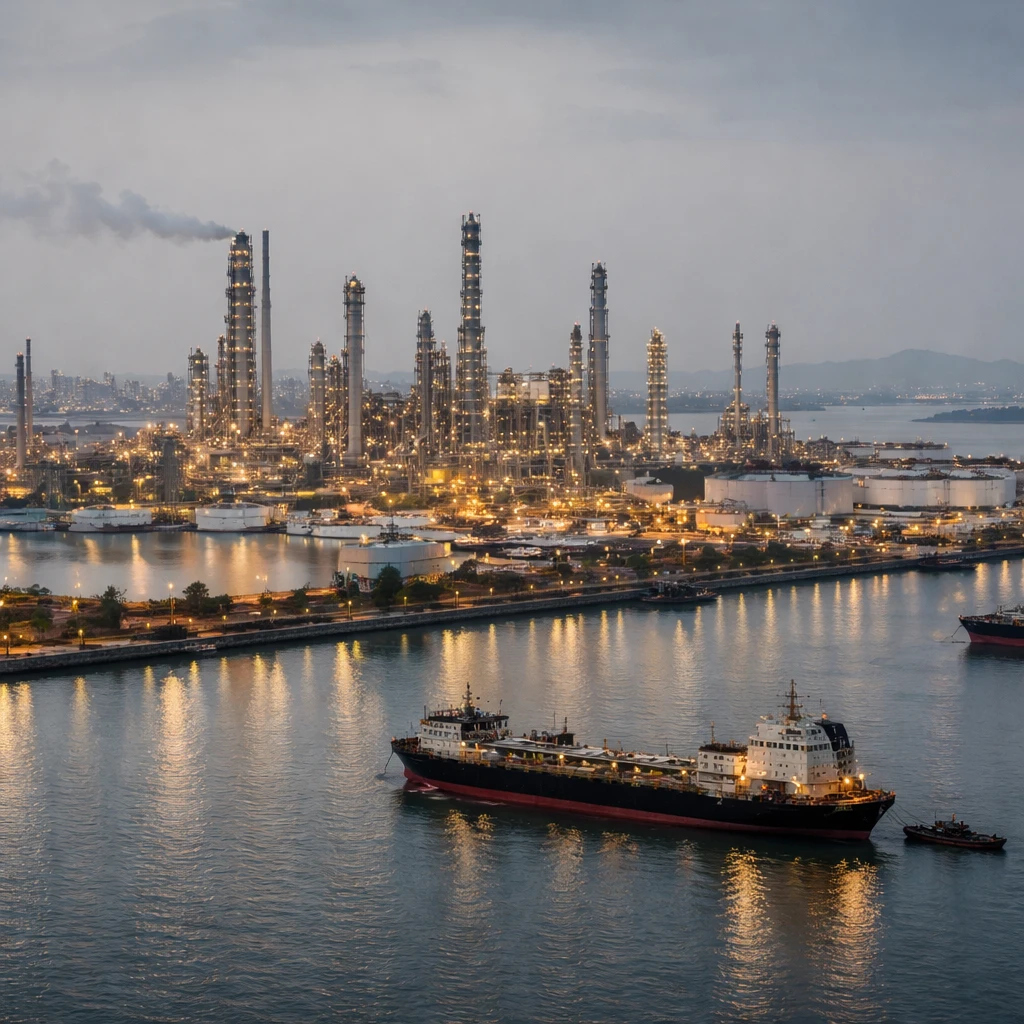
The U.S. Treasury Department on Friday announced sanctions on Hengli Petrochemical (Dalian) Refinery Co, identifying the independent Chinese refinery as a major purchaser of Iranian crude oil and petroleum products. The designation by the Office of Foreign Assets Control (OFAC) comes amid diplomatic activity between Washington and Tehran aimed at reviving peace talks.
OFAC said Hengli is among Iran's largest customers for crude and refined petroleum products. In the same action, the Treasury also imposed sanctions on roughly 40 shipping companies and vessels that it says operate as part of Iran's so-called shadow fleet.
These measures follow earlier U.S. targeting of smaller Chinese refiners. Last year, the Trump administration sanctioned three teapot refineries - Hebei Xinhai Chemical Group, Shandong Shouguang Luqing Petrochemical, and Shandong Shengxing Chemical - in moves that created practical hurdles for those operators. According to the Treasury, those prior sanctions complicated refiners' access to crude cargoes and in some cases forced them to move or sell refined products under alternative names.
Teapot refineries constitute about one quarter of China’s refining capacity. The Treasury said many of these independent plants operate on thin or occasionally negative margins and have recently faced pressure from weak domestic fuel demand.
Under U.S. sanctions, designated entities have their U.S. assets blocked and Americans are barred from conducting business with them. The Treasury said the measures have discouraged some larger independent Chinese refiners from purchasing Iranian oil.
Data cited by the Treasury and analytics firm Kpler indicates China accounts for more than 80% of Iran’s exported oil shipments, based on 2025 figures reported by Kpler.
Implications and context
The designation of Hengli and the related shipping entities tightens U.S. pressure on the trade network that supports Iranian oil exports. The move reinforces the policy effect seen in earlier sanctions that made crude procurement and product marketing more difficult for targeted Chinese refiners.
At the same time, the sanctions underscore tensions between efforts to curb Iran’s oil revenues and the realities of global crude flows, where China plays a dominant role in receiving Iranian shipments according to the cited data.