
At a Romanian coastal base with views across the Black Sea, personnel watched as small drones hummed overhead and interceptor platforms executed test runs - the culmination of a two-week evaluation of a U.S.-made, AI-driven air-defence package as the war in neighboring Ukraine encroaches on NATO territory.
Central to the trials was Merops, produced by Project Eagle, the company founded by former Google chief executive Eric Schmidt. The system - which NATO sources say is already operational in Ukraine and Poland - combines a ground control hub, launcher units and Surveyor interceptor drones capable of autonomous operation using artificial intelligence and radar guidance.
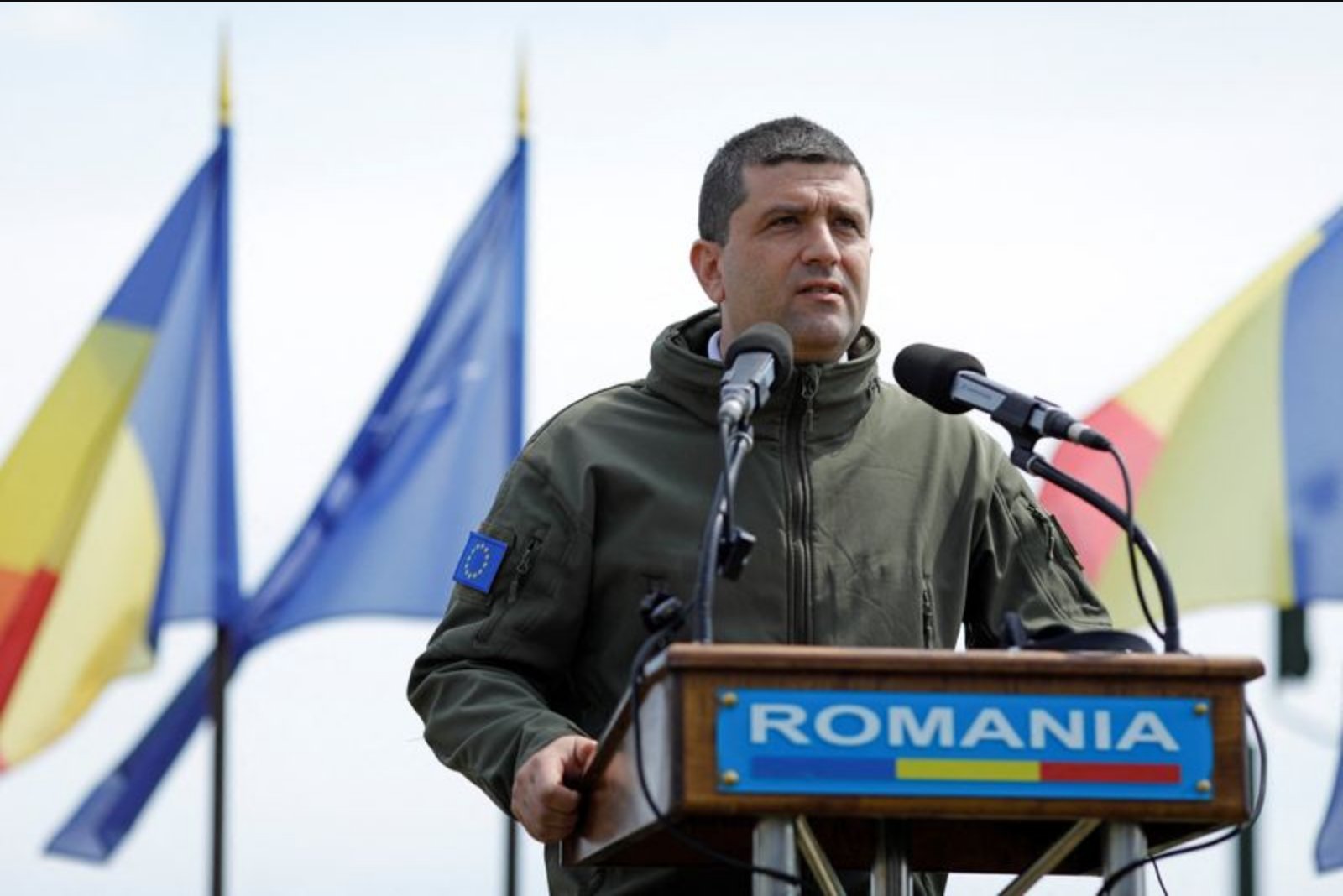
Defence Minister Radu Miruta said the equipment would be brought into service in Romania "in a matter of days." He highlighted the system's thermal imaging and radar accuracy, and said it would bolster the country's ability to handle threats along the Danube river. "Merops reduces the number of scenarios we cannot handle," he said.
Major General Arnoud Stallmann, assistant chief of staff at NATO's Allied Command Transformation, underscored the urgency behind the acquisition. "The threat is real," he said at the Capu Midia Air Defence Training Range, located about 80 km from the Ukrainian frontline. With repeated drone incursions into NATO member airspace, he said, new capabilities were necessary.
Over two weeks, Romanian and NATO personnel tested interceptor drones alongside radars, sensors and jamming equipment supplied by private firms, while also exercising existing defence assets. Officials described the Merops trials as partially successful: at one point an interceptor made a sharp turn and missed its designated target.
Romania's current air-defence inventory includes F-16 fighter aircraft, Patriot batteries, Lockheed Martin HIMARS rocket systems, South Korean short-range Chiron surface-to-air missiles and German Gepard anti-aircraft guns. Separately, Romania and Ukraine have plans to jointly produce drones under the European Union's SAFE rearmament funding framework.
The testing programme sought to assess how Merops and associated systems could strengthen Romania's layered defences as drone attacks increase on NATO's eastern flank. Officials praised several sensor and imaging elements of the package while acknowledging limitations revealed in live engagements.
Key Points
- Romania trialled the Merops interceptor system by Project Eagle, featuring AI-enabled Surveyor interceptors and integrated radar and launcher components.
- Tests occurred at Capu Midia Air Defence Training Range, about 80 km from the Ukrainian frontline, after two weeks of combined NATO and Romanian evaluations.
- Romania's existing air-defence mix includes F-16s, Patriot systems, HIMARS, Chiron missiles and Gepard guns; Romania and Ukraine plan joint drone production under the EU's SAFE mechanism.
Risks and Uncertainties
- Live trials revealed operational gaps when an interceptor swerved too quickly and failed to engage its target - a tactical risk for defence suppliers and military planners.
- Continued drone incursions into NATO airspace present ongoing security challenges that may require further capability adjustments and investment in sensors and countermeasures.
- Short testing duration - two weeks - may limit full assessment of system performance across varied scenarios.