
World April 17, 2026 08:34 AM

U.S. and Iran Negotiating Plan That Could Free $20 Billion in Frozen Assets for Uranium Surrender

Officials are discussing a short, three-page framework that would trade access to funds for removal of Iran’s enriched uranium stockpile

By Nina Shah
U.S. and Iran Negotiating Plan That Could Free $20 Billion in Frozen Assets for Uranium Surrender

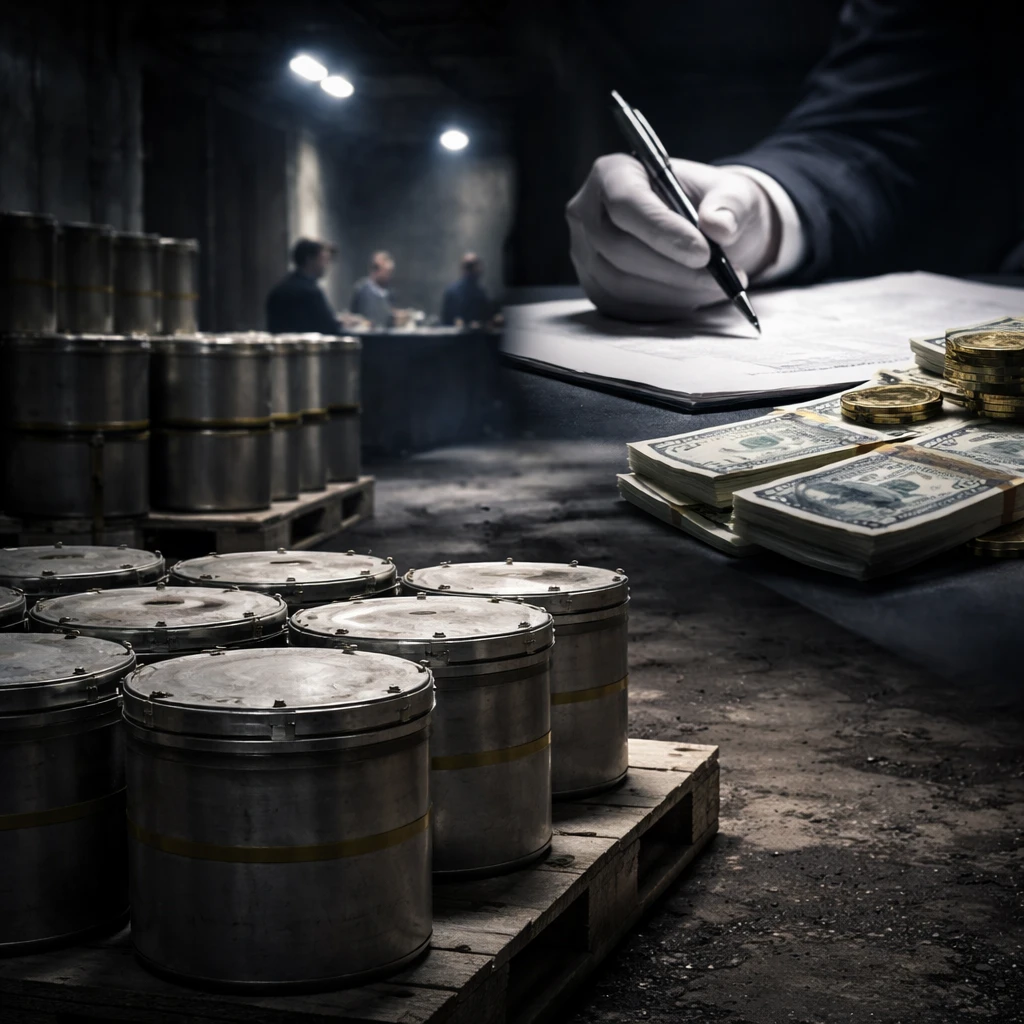
U.S. and Iranian negotiators are reported to be working on a three-page proposal under which roughly $20 billion in frozen Iranian assets could be released in return for Iran surrendering its enriched uranium stockpile. The talks center on the disposition of nearly 2,000 kilograms of enriched uranium held in underground facilities, including about 450 kilograms enriched to 60% purity, and on terms governing how any released funds might be used.

Key Points

  • A three-page proposal is reportedly under discussion that would link release of $20 billion in frozen Iranian funds to Iran surrendering its enriched uranium stockpile.
  • The uranium targeted in the talks totals nearly 2,000 kilograms stored in underground facilities, including about 450 kilograms enriched to 60% purity.
  • Negotiations cover the disposition of the uranium, the exact amount and timing of asset releases and conditions governing how Iran could use any released funds. Potentially impacted sectors include international finance and sovereign asset management, given the large frozen asset movement.

U.S. and Iranian negotiators are reportedly engaged in talks over a concise, three-page plan that would link access to frozen Iranian funds with the disposition of the country's enriched uranium, according to a recent report citing U.S. officials and other sources briefed on the discussions.

Under the proposal being discussed, the United States would make available $20 billion in Iranian assets currently frozen abroad in exchange for Iran surrendering its stockpile of enriched uranium. The proposal is being portrayed as a limited, narrowly scoped arrangement focused on two core elements: removal of the nuclear material from Iranian facilities and the release of a defined sum of frozen funds.

Officials involved in the discussions have emphasized one central priority of the U.S. side - preventing Iran from retaining access to its near-2,000 kilograms of enriched uranium stored in underground facilities. That figure includes a tranche of about 450 kilograms enriched to 60% purity, a detail highlighted by those briefed on the talks.

The negotiations reportedly cover several connected questions: what will happen to the physical uranium once it is surrendered, exactly how much of Iran’s frozen assets would be released and the conditions under which Iran could deploy any funds that are released. Participants are said to be weighing both the mechanics of the uranium handover and safeguards or limits on the use of the assets.

The dynamic described in reporting frames a transactional trade-off: Iran’s pressing need for financial resources on one side and the U.S. objective of securing removal of enriched material from Iranian facilities on the other. The discussions appear to be targeted and procedural, focused on a short agreement text rather than a broad, comprehensive settlement.

At this stage, the details under negotiation - the final disposition of the uranium, the precise amount and timing of asset releases, and the permissible uses of any released funds - remain subjects of active talks and have not been finalized. Observers and participants are treating the plan as a tentative framework under negotiation rather than a concluded deal.


Summary

U.S. and Iranian parties are discussing a three-page proposal that would exchange access to $20 billion in frozen Iranian assets for Iran surrendering its enriched uranium stockpile, including roughly 2,000 kilograms of material stored underground and about 450 kilograms at 60% enrichment. Negotiations address the uranium’s disposition, the quantum of assets to be released and conditions on how released funds could be used.

Risks

  • Uncertainty over final terms - The talks are ongoing and the final text could differ from current reports; this creates uncertainty for stakeholders in financial and diplomatic channels.
  • Conditions on use of funds - Negotiators are discussing constraints on how released assets could be used; lack of agreement on safeguards could delay or derail any exchange, affecting financial flows tied to sanctions relief.
  • Disposition of uranium stockpile - While removal is the stated U.S. objective, details about where or how the material would be handled are still under negotiation, leaving open operational and verification risks that could influence diplomatic outcomes.

More from World

First Group of Migrants Returned from U.S. Lands in Kinshasa Under New Agreement Apr 17, 2026 Petro Sets Caracas Visit for April 24 After Border Meeting Was Halted Apr 17, 2026 At Cuba’s Bay of Pigs, Memories of 1961 Fuel Pride as New Tensions Reawaken Apr 17, 2026 What the U.S.-Backed Lebanon-Late Ceasefire Says — and the Questions It Leaves Open Apr 17, 2026 Pope Leo Adopts a More Assertive Global Voice During Africa Tour Apr 17, 2026