
World April 17, 2026 08:02 AM

Petro Sets Caracas Visit for April 24 After Border Meeting Was Halted

Colombian president says a planned encounter with Venezuela's interim leader will take place in Caracas following a cancelled border meeting due to security concerns

By Nina Shah
Petro Sets Caracas Visit for April 24 After Border Meeting Was Halted

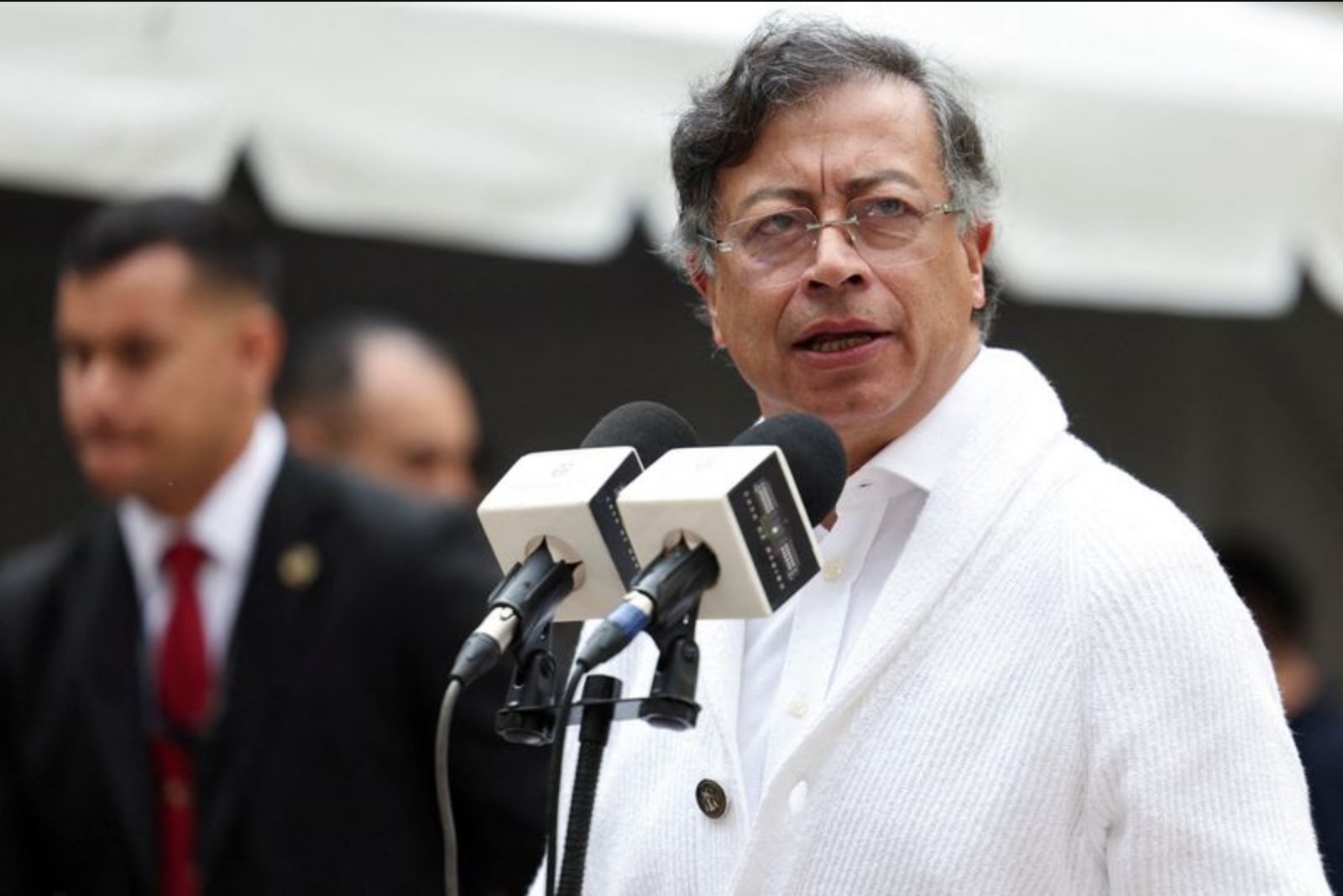
Colombian President Gustavo Petro announced he will travel to Caracas on April 24 to pursue a meeting with Venezuela's interim president Delcy Rodriguez. The trip follows an earlier, planned meeting at a Colombian border town that did not occur because of security precautions. Petro made the announcement during an interview on Spanish public broadcaster RTVE while attending an international gathering in Barcelona.

Key Points

  • President Gustavo Petro said he will travel to Caracas on April 24 to meet with Venezuela's interim president Delcy Rodriguez, following an earlier failed attempt at a border meeting.
  • An attempted meeting in a Colombian border town was cancelled because Rodriguez cited security issues; a previously scheduled mid-March meeting had also been called off due to what both governments described as a case of "force majeure."
  • Petro announced the planned Caracas trip while attending the Global Progressive Mobilisation in Barcelona, a two-day gathering of international left-leaning leaders organised by Spain and left-wing networks. Potentially relevant sectors include diplomatic relations and regional political developments, though the article does not supply details on economic or market implications.

Colombian President Gustavo Petro confirmed on Friday that he intends to travel to Caracas on April 24 to meet with Venezuela's interim president Delcy Rodriguez.

Petro made the disclosure during an interview with the Spanish public broadcaster RTVE. He said the trip to the Venezuelan capital follows an attempted meeting in a Colombian town on the border between the two countries that did not take place because of security concerns.

According to Petro, the border meeting was aborted when Rodriguez indicated there were security issues that prevented the encounter from going ahead. Both governments had previously described an earlier planned meeting, set for mid-March, as called off due to a case of "force majeure." At that time no further details were provided.

Petro is currently in Barcelona to take part in the event described as the Global Progressive Mobilisation, a two-day gathering of left-leaning international leaders organised by Spain together with left-wing political networks. The organisers say the forum aims to mobilise these movements in response to the rise of the far right.

In his RTVE interview, Petro reiterated the intent to pursue the bilateral encounter in Caracas after the earlier attempt on the border did not proceed. The article does not provide further specifics about the Caracas meeting agenda, security arrangements for the visit, or whether additional diplomatic or logistical steps have been agreed by both sides.

The circumstances around the cancelled mid-March meeting remain limited in detail in public statements. Both governments used the phrase "force majeure" at the time to explain why the meeting did not take place, but did not elaborate on the precise nature of that determination. The current announcement indicates a renewed effort to hold a face-to-face meeting at a later date and in a different location.

At the time of his interview in Barcelona, Petro framed the trip as the next step following the aborted border engagement, while attendees and participants at the Global Progressive Mobilisation focus on broader political coordination among left-leaning parties and groups.


Note: The article limits itself to the statements made by President Petro and the prior official characterization of the cancelled meeting as a case of "force majeure." It contains no additional detail on security assessments, diplomatic protocols, or agendas for the planned Caracas meeting.

Risks

  • Security concerns that led to the cancellation of the border meeting may affect scheduling and logistics for future diplomatic engagements - this is pertinent to diplomatic operations and travel planning.
  • Limited public information about the reasons behind the prior mid-March cancellation, described as "force majeure," creates uncertainty around the conditions under which bilateral meetings can proceed - this uncertainty bears on diplomatic coordination and contingency planning.
  • The article does not provide details on the agenda or outcomes expected from the Caracas visit, leaving open the possibility that substantive bilateral progress could be constrained by undisclosed factors - this lack of clarity affects observers of regional political developments.

More from World

First Group of Migrants Returned from U.S. Lands in Kinshasa Under New Agreement Apr 17, 2026 U.S. and Iran Negotiating Plan That Could Free $20 Billion in Frozen Assets for Uranium Surrender Apr 17, 2026 At Cuba’s Bay of Pigs, Memories of 1961 Fuel Pride as New Tensions Reawaken Apr 17, 2026 What the U.S.-Backed Lebanon-Late Ceasefire Says — and the Questions It Leaves Open Apr 17, 2026 Pope Leo Adopts a More Assertive Global Voice During Africa Tour Apr 17, 2026