
The Southern Poverty Law Center (SPLC), a civil rights organization known for monitoring extremist movements, announced on Tuesday that it is facing a criminal probe and potential charges from the Department of Justice connected to its prior employment of paid informants.
In a recorded video statement, CEO Bryan Fair said the apparent focus of the investigation is "on the SPLC’s prior use of paid confidential informants to gather credible intelligence on extremely violent groups." Fair argued that the use of paid informants was a protective measure, intended to shield SPLC staff from threats of violence.
Fair said the organization routinely provided information obtained from paid sources to local and federal law enforcement agencies. He added that the SPLC did not broadly disclose its reliance on paid informants because doing so could endanger the informants and their families.
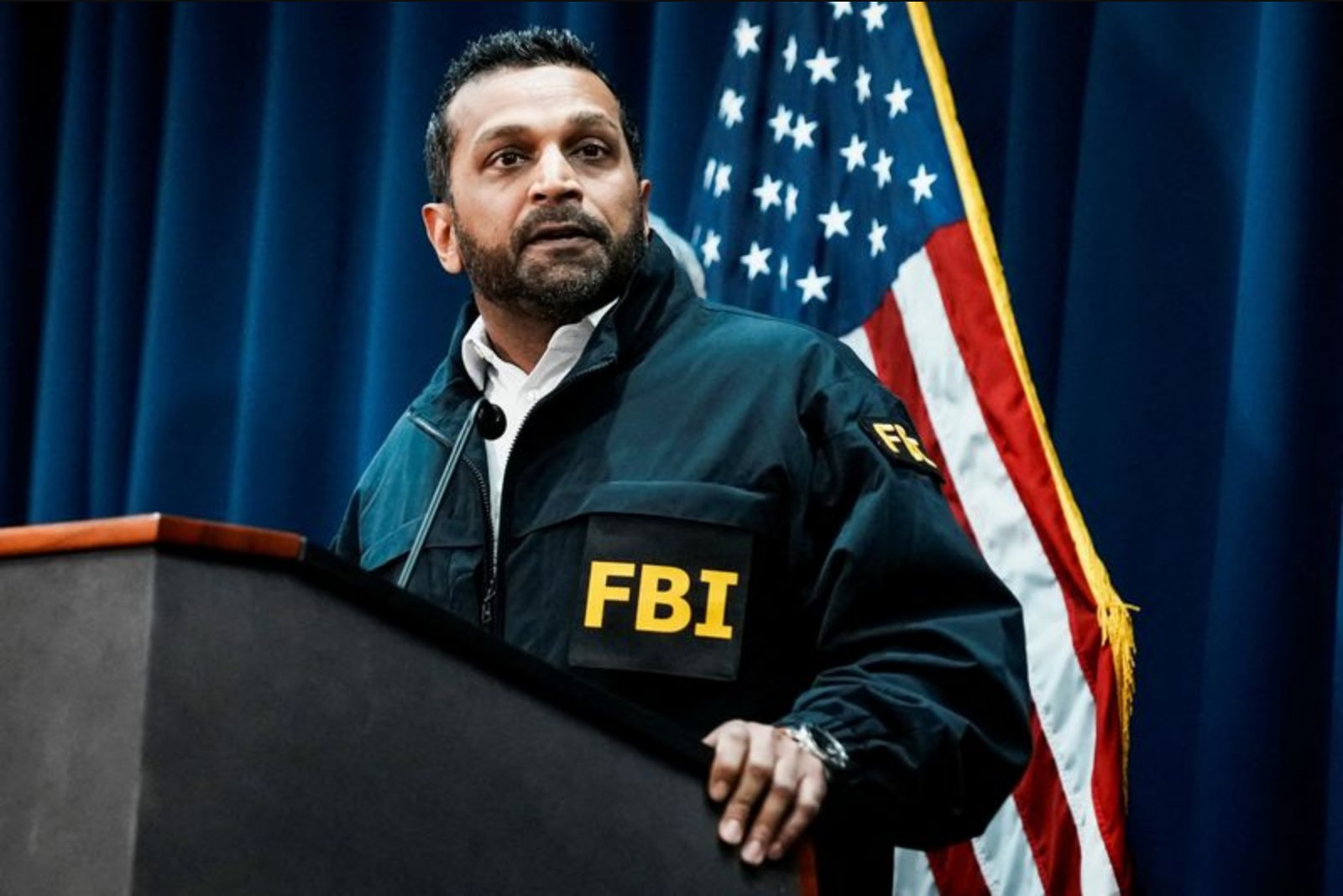
Officials aligned with the Trump administration and some conservative voices have criticized the Alabama-based SPLC for labeling certain far-right organizations as hate groups. That debate intensified after the FBI, under Director Kash Patel, ended a yearslong working relationship with the SPLC in October. Patel characterized the group as a "partisan smear machine" that he said had been used to defame individuals and incite violence.
Patel’s decision to sever ties with the SPLC occurred weeks after the assassination of right-wing activist Charlie Kirk. Kirk’s conservative youth group, Turning Point USA, had been listed on the SPLC’s "Hate Map" and described by the organization as an anti-government group.
An SPLC spokesperson declined to comment beyond CEO Fair’s recorded remarks. The Justice Department did not immediately respond to a request for comment.
The SPLC traces its origins to the early 1970s, when it was established to defend the legal rights of Black Americans in the wake of civil rights reforms of the 1960s. The organization has said it played a role in securing convictions of members of white supremacist groups, including the Ku Klux Klan.
In the video, Fair framed the investigation as part of a broader pattern, saying, "Today, the federal government has been weaponized to dismantle the rights of our nation’s most vulnerable people and any organization like ours that stands in the breach." He added that the SPLC would not be intimidated into silence or abandon its mission or the communities it serves.
Context and implications
The SPLC’s statement highlights a clash between a civil rights monitoring group and federal authorities aligned with the prior administration. The organization insists its use of paid informants was a legitimate tool for documenting and responding to violent extremist threats, and that concealment of informant identities was necessary for safety.
The formal scope of the Justice Department inquiry and whether it will result in charges remains unclear based on statements available publicly. The SPLC has signaled it will resist any effort it views as politically motivated, while Justice Department officials have not provided a public response to inquiries.