
Egyptian antiquities officials on Thursday unveiled a plaster blocking wall associated with the burial of King Tutankhamun and opened two restored tombs from the New Kingdom on Luxor's West Bank.
Abdelghaffar Wagdy, director-general of Luxor Antiquities, described the wall as a singular artifact. "Therefore, it is a one-of-a-kind artifact - the only one currently on display more than 100 years after the discovery of Tutankhamun’s Tomb," he said at the exhibition in Luxor, noting that almost all Pharaonic tombs were looted, which makes this example unprecedented in Egypt and elsewhere. Wagdy added: "It is the only surviving artifact of Tutankhamun that the world had never seen before. Recently, an Egyptian team reconstructed it."
The Egyptian Ministry of Tourism and Antiquities said the original plaster blocking wall is among the most prominent elements tied to the sealing of Tutankhamun’s tomb, discovered in 1922 by the British archaeologist Howard Carter. According to the ministry, the wall was used to secure the entrances of the burial chamber and bore official stamps indicative of funerary rituals as well as the administrative authority linked to the king’s burial.
Wagdy said the wall carries seals that belong to Tutankhamun and to the necropolis guards who were charged with guarding the tombs and protecting them from theft. The reconstructed wall is now on display at the Luxor Museum for the first time.
Also on display are two restored tombs on the West Bank of the Nile at Luxor. That area includes the Valley of the Kings, where pharaohs and nobles of the New Kingdom were interred in rock-cut tombs. Tutankhamun, often called King Tut, is one of the New Kingdom pharaohs whose 14th-century B.C. tomb and its contents were discovered in 1922.
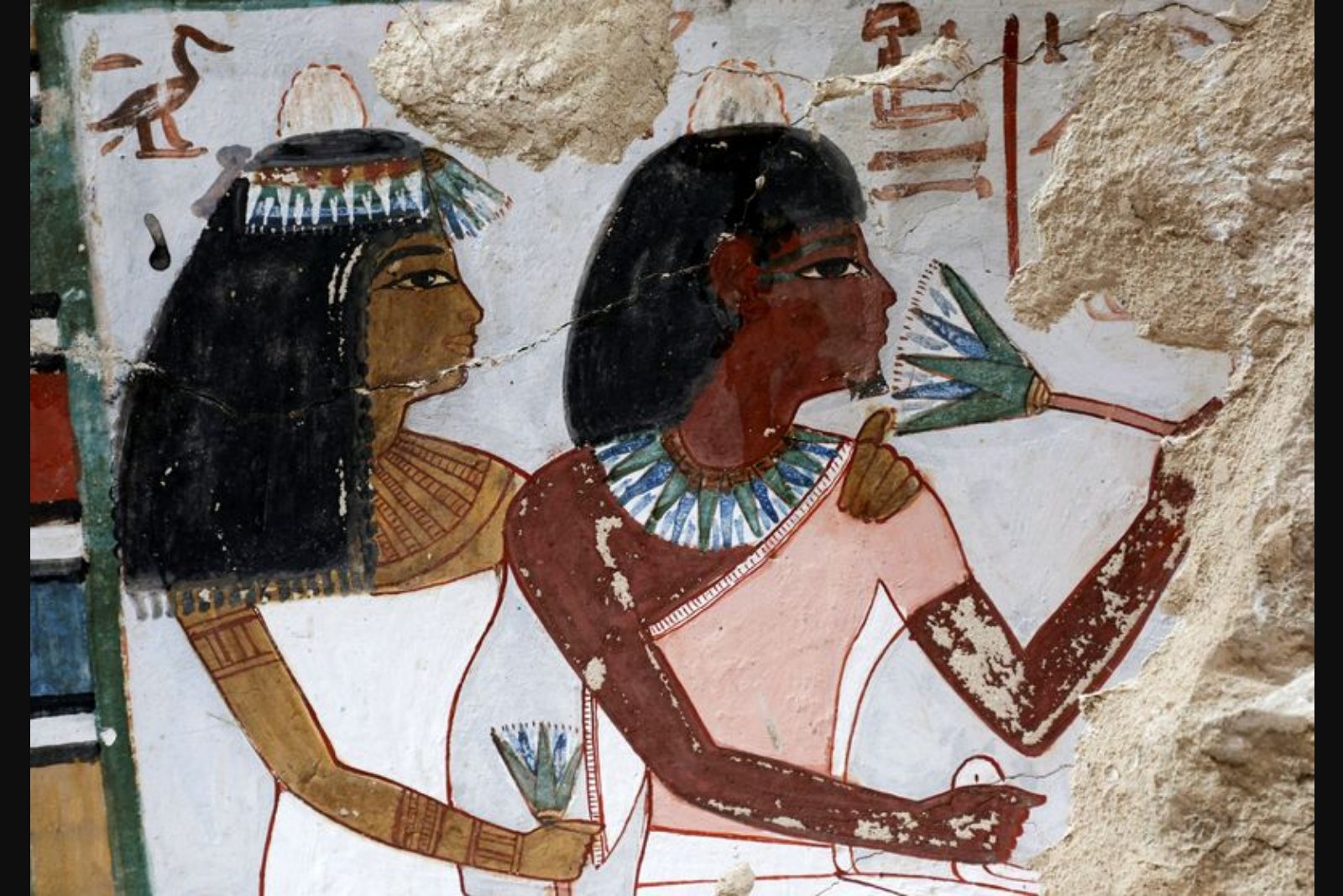
The newly opened tombs belong to Rabuya and his son Samut, officials said. Both date to the 18th Dynasty, the first dynasty of the New Kingdom, and both men served as door keepers of the deity Amun, the ministry said.
Hisham El-Leithy, secretary-general of Egypt’s Supreme Council of Antiquities, commented on the excavations. "Today we are inaugurating two very important tombs that were discovered by chance in 2015," he said, highlighting the relatively recent nature of the finds.
The interior decorations of the two tombs include scenes depicting everyday activities and funerary rites. The ministry described imagery that portrays agriculture and harvest scenes, various crafts, and production activities such as bread making, pottery and wine production.
Context and public access
The exhibition at the Luxor Museum marks the first time the reconstructed plaster blocking wall connected to Tutankhamun’s burial has been shown publicly. Officials emphasize the wall’s role in physically sealing the tomb and carrying administrative and ritual markings that shed light on burial practices and the mechanisms used to deter theft.
The opening of Rabuya and Samut’s tombs adds to the corpus of New Kingdom tombs accessible on Luxor’s West Bank, where carved rock tombs house royal and noble burials from the period. The scenes preserved on the walls of these two tombs contribute visual detail to the understanding of daily and funerary life for officials serving the cult of Amun.