
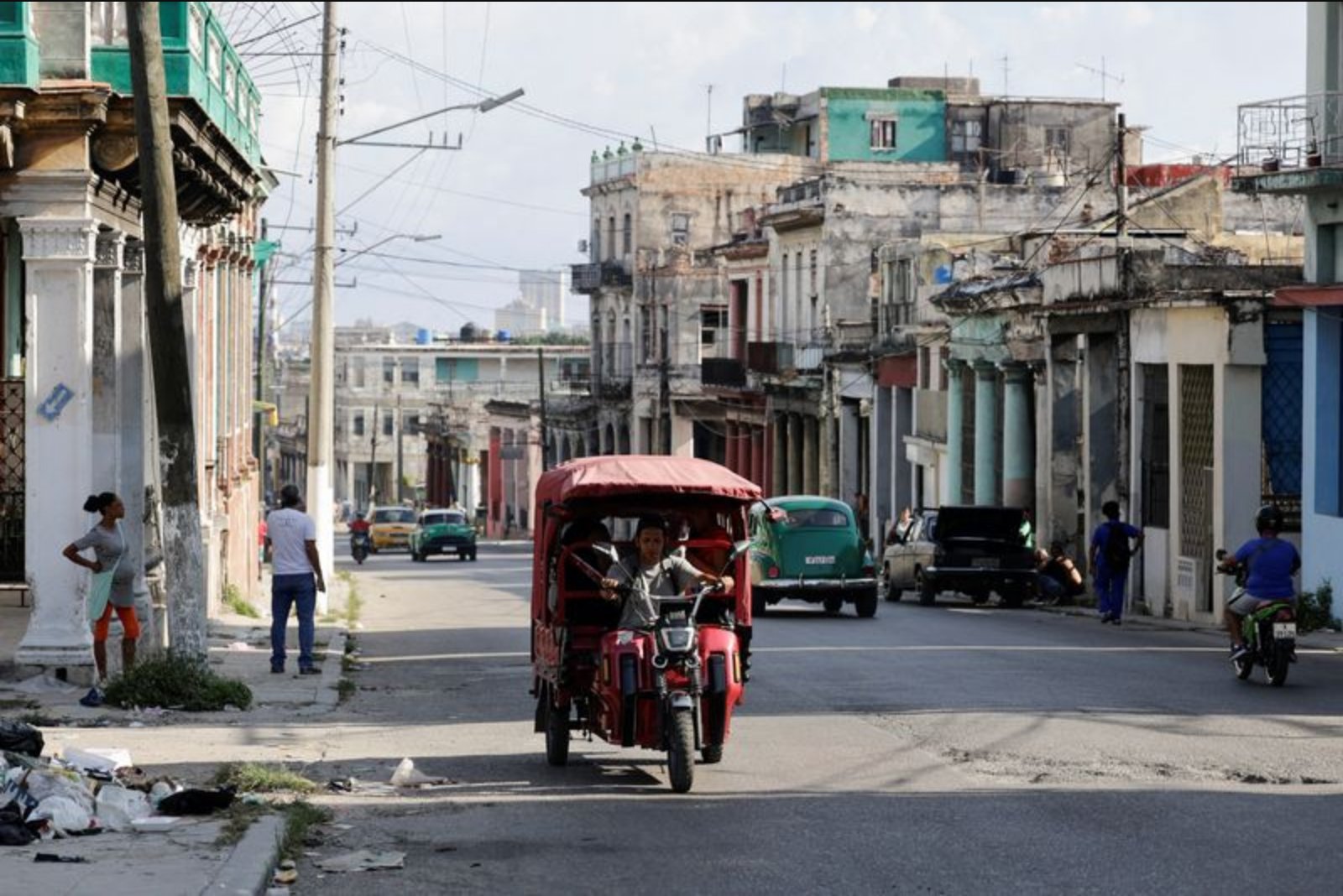
Havana, May 14 - Cuban officials said on Thursday they would take up a U.S. proposal for $100 million in humanitarian aid, while pressing that any assistance be delivered without political conditions amid a crippling fuel squeeze linked to a U.S. blockade.
Cuba's foreign minister, Bruno Rodriguez, said the communist-run government was prepared to consider the U.S. offer but insisted that the assistance should come free of ulterior motives. "We hope it will be free of political maneuvering and attempts to exploit the hardships and suffering of a people under siege," Rodriguez wrote on social media.
The U.S. State Department had said last week it made a private offer of $100 million in aid and also offered "free and fast satellite internet" if the Cuban government agreed to what Washington described as "meaningful reforms." Rodriguez publicly rejected that characterization, calling the reported offer a "fable." The U.S. administration reiterated the offer in a statement on Wednesday.
Living conditions on the island have deteriorated sharply after the U.S. president in January threatened tariffs on any country supplying Cuba with fuel. Following that threat, major suppliers including Mexico and Venezuela halted shipments to the island, producing severe shortages of fuel and electricity and straining public services.
The United Nations last week deemed the U.S. fuel blockade unlawful, saying it had impeded "the Cuban people’s right to development while undermining their rights to food, education, health, and water and sanitation."
Cuban President Miguel Diaz-Canel said his government would accept the proposed aid if its delivery adhered to international standards governing humanitarian assistance, but he described the offer as "inconsistent and paradoxical." Diaz-Canel added that Washington could provide more tangible help by lifting sanctions outright. He listed Cuba's priorities for any funds received as fuel, food and medicine.
The Trump administration has publicly labeled Cuba's current government corrupt and incompetent and has said it seeks to replace the regime, while maintaining that talks have continued. Negotiations appeared to slow in recent weeks.
On Thursday the Cuban government confirmed a meeting with U.S. intelligence chief John Ratcliffe. A CIA official said Ratcliffe told intelligence personnel in Cuba that the United States was willing to engage on economic security matters if Cuba made "fundamental changes."
This developing diplomatic exchange centers on immediate humanitarian needs set against broader political disagreement. Cuban authorities seek guarantees that aid will not be used for political leverage, while the U.S. has tied some elements of assistance to demands for reforms. The fuel shortages and electricity cuts resulting from restricted fuel shipments remain central to the humanitarian concerns cited by both Cuban officials and U.N. authorities.