
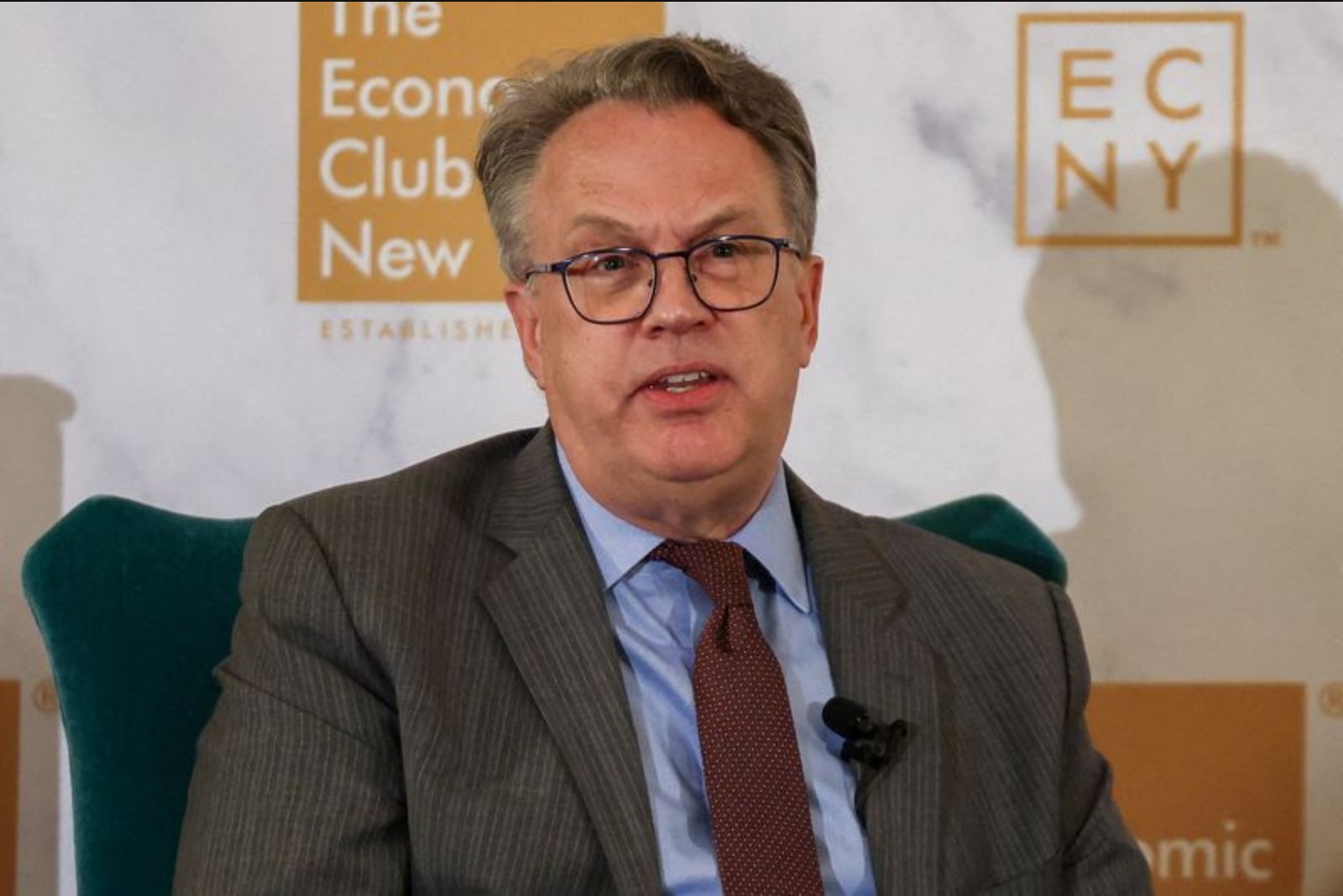
In a recent address before the Conference of Business Economists, John Williams, President of the Federal Reserve Bank of New York, provided clarity on his current outlook regarding interest rate policy. Williams suggested that the central bank's existing monetary stance is appropriately positioned, stating that he sees no immediate justification for adjusting rates higher or lower in the current climate.
Key Economic Indicators and Market Observations
The remarks from Williams highlight several critical pillars of the current macroeconomic landscape:
- Stability in Monetary Policy: The President expressed confidence that current policy is in a "good place," suggesting that the existing framework is sufficient to manage the economy for the time being.
- Inflation Expectations: A key focus remains on keeping inflation expectations steady. While there has been a rise in short-term expectations, Williams noted that long-term projections have held stable, which serves as a vital indicator of economic health.
- Productivity and Market Optimism: The high levels seen in the stock market are viewed by Williams as a reflection of bullish sentiment regarding future productivity growth. He specifically pointed to factors such as AI as drivers for this optimism about the economy's trajectory.
These observations impact broad sectors, including the equity markets, where investor sentiment is heavily influenced by expectations of productivity and interest rate stability.
Risks and Economic Uncertainties
Despite the current sense of policy adequacy, several variables continue to pose risks to the economic outlook:
- Geopolitical Volatility: The ongoing war in the Middle East introduces significant uncertainty. This conflict has already contributed to spikes in price pressures, and because the situation remains unresolved, the longevity of these pressures is unknown.
- Inflationary Pressures from Tariffs: Williams mentioned that he is monitoring how price pressures develop, noting his belief that much of the impact on inflation resulting from tariffs may have already occurred.
- Monitoring for Second-Round Effects: While the job market is not currently pushing prices up and unusual second-round effects are not being observed, Williams emphasized that the Federal Reserve must continue to watch these developments closely to ensure persistence does not emerge.
These uncertainties primarily impact the consumer goods and energy sectors through price volatility, as well as the broader financial markets which must price in the potential for sudden shifts in inflation or geopolitical stability.
Current Rate Environment
At present, investors are anticipating no changes to the federal funds target rate range, which is currently set between 3.5% and 3.75%. This stability reflects the cautious approach taken by central bank officials as they balance current growth signals against global risks.