
Stock Markets April 24, 2026 04:37 PM

USTR Schedules Public Hearings April 28-29 on Forced Labor Trade Probes

Twelve panels and about 60 witnesses will testify as Section 301 investigations into imports from 60 countries continue

By Caleb Monroe
USTR Schedules Public Hearings April 28-29 on Forced Labor Trade Probes

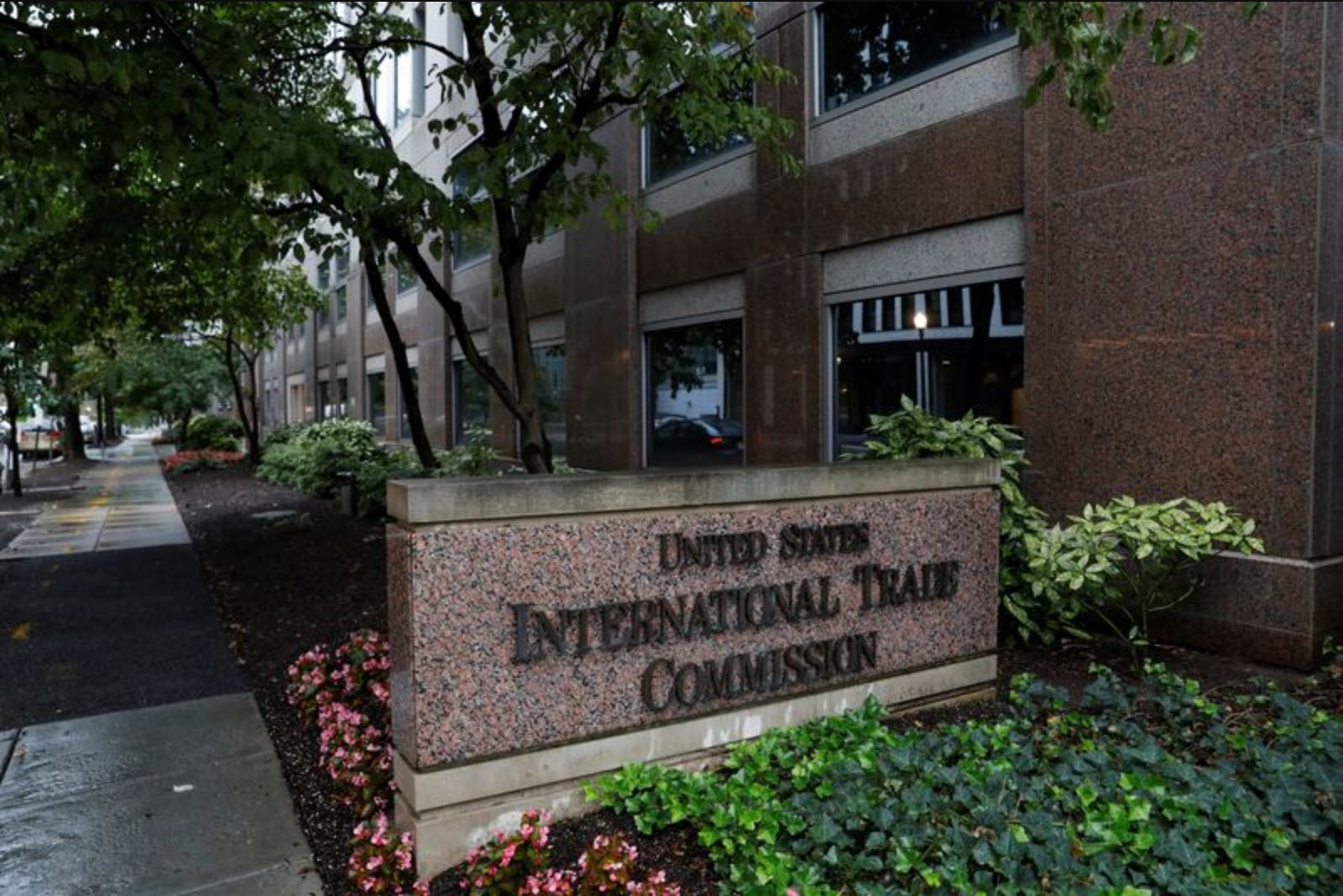
The U.S. Trade Representative's office announced public hearings for April 28-29 at the U.S. International Trade Commission in Washington to examine ongoing Section 301 investigations into whether 60 countries have failed to prevent imports made with forced labor. The hearings will include 12 panels and roughly 60 witnesses from advocacy groups, human rights organizations, U.S. industry groups and foreign government representatives. USTR launched the probes on March 12 and is aiming to conclude them, including proposed remedies, before temporary tariffs imposed in late February expire in July.

Key Points

  • Public hearings are set for April 28-29 at the U.S. International Trade Commission in Washington and will include 12 panels and about 60 witnesses.
  • The Section 301 investigations launched on March 12 target 60 countries alleged to have failed to prohibit imports produced with forced labor; the list includes major trade partners and allies as well as China and Russia.
  • USTR aims to complete the investigations, including proposed remedies, prior to the expiration of temporary tariffs imposed in late February, which are due to lapse in July - a timeline that shapes the procedural urgency.

The office of the U.S. Trade Representative said on Friday it will convene public hearings on April 28 and April 29 to examine a slate of ongoing Section 301 unfair trade practice investigations focused on alleged failures by dozens of countries to prevent imports produced with forced labor. The sessions are scheduled to take place at the U.S. International Trade Commission headquarters in Washington, the USTR statement said.

According to the published schedule, the hearings are organized into 12 panels with approximately 60 witnesses expected to appear. Witnesses span a range of stakeholders - including advocacy groups, human rights organizations, U.S. industry associations and representatives of foreign governments.

USTR initiated the investigations on March 12 into the economies of 60 countries, asserting that those nations failed to prohibit imports of goods produced using forced labor. The roster of countries under review includes several significant U.S. trade partners and allies such as Australia, Canada, the European Union, Britain, Israel, India, Qatar and Saudi Arabia. China and Russia are also listed among the 60 economies under investigation.

The hearings come amid a broader trade-policy backdrop. President Donald Trump’s administration has sought to restore tariff pressure on countries around the world after the U.S. Supreme Court on February 20 found his global tariffs to be illegal. USTR official Jamieson Greer indicated an intention to complete the Section 301 probes, including any proposed remedies, before the temporary tariffs that were imposed in late February are set to expire in July.

The scheduled public testimony will give a range of actors the opportunity to present perspectives directly to USTR and the commission. The hearing schedule’s mix of civil society, industry and government witnesses reflects the multifaceted nature of the investigations, which touch on trade policy, import controls and international diplomatic relationships.


Context and next steps

The USTR statement sets the hearings as a next procedural stage in the Section 301 investigations. The office has signaled a compressed timeline in which it hopes to finalize findings and any remedies prior to the expiration of temporary tariffs in July. How the hearings will influence the ultimate remedies is a procedural question the USTR will address as it moves to conclude the investigations.

Risks

  • Uncertainty over the outcome of the Section 301 investigations - the hearings are a step in a process whose final remedies are not yet determined. This creates trade policy uncertainty for importers, manufacturers and retailers.
  • Potential short-term trade tensions given that several major U.S. partners and allies, along with China and Russia, are included on the list under investigation - this could affect businesses involved in cross-border supply chains.
  • Timing pressure linked to temporary tariffs set to expire in July - the USTR's aim to conclude investigations before that expiration creates a compressed schedule that may limit the time for deliberation and negotiation.

More from Stock Markets

Mexico stocks close higher as S&P/BMV IPC rises 0.87% led by industrial and consumer names Apr 24, 2026 Colombian Stocks Close Lower as Financials, Investment and Public Services Weigh on COLCAP Apr 24, 2026 Moscow Market Retreats as Energy and Mining Weigh on MOEX Apr 24, 2026 Lincoln International Submits Form S-1 for Proposed NYSE IPO Apr 24, 2026 Pioneer Bancorp to Acquire Targeted Lending for $140 Million, Launches National Specialty Financing Unit Apr 24, 2026