
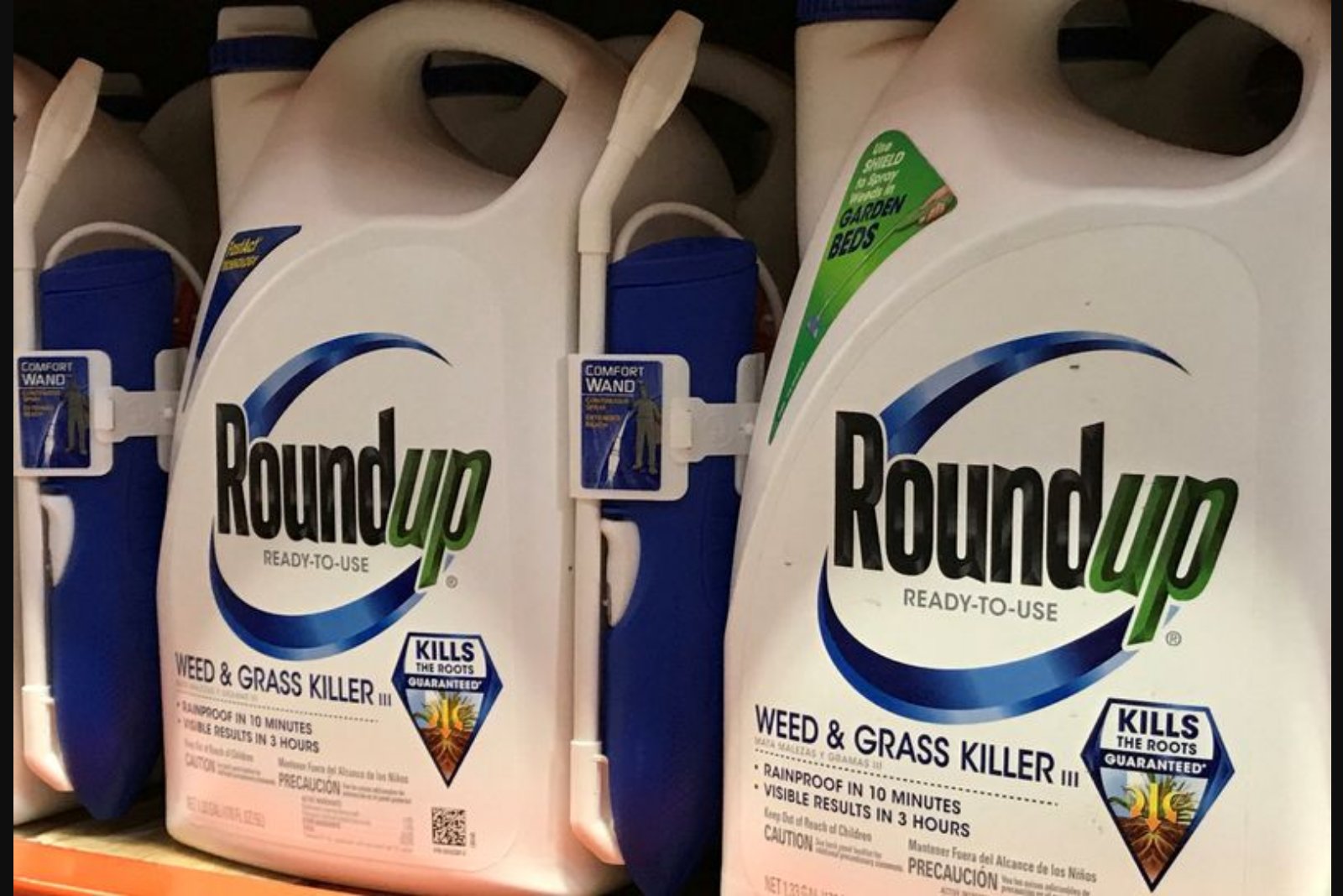
The U.S. Supreme Court is set to hear arguments on Monday in a high-stakes dispute between Bayer AG and plaintiffs who say the company failed to warn users that glyphosate, the active ingredient in its Roundup weedkiller, causes cancer. At the center of Bayer’s appeal is a Missouri jury verdict that granted $1.25 million to a man who blamed years of Roundup exposure for his non-Hodgkin lymphoma diagnosis.
Bayer argues that the Federal Insecticide, Fungicide and Rodenticide Act - known as FIFRA - preempts state-law failure-to-warn suits like the one brought by the plaintiff, John Durnell. The company points to repeated approvals by the U.S. Environmental Protection Agency of product labels for glyphosate-based herbicides that did not include a cancer warning, and contends that such federal oversight should bar state courts from imposing differing or additional labeling requirements.
Legal framework and the preemption claim
Under FIFRA, the sale and labeling of pesticides are regulated at the federal level, and states are generally prohibited from imposing labeling requirements that differ from or add to federal mandates. A key concept in the law is that a pesticide may be deemed "misbranded" if its label fails to provide adequate warning to protect health and the environment. Bayer maintains that the EPA’s repeated endorsement of Roundup labels without a cancer warning demonstrates that the products are not misbranded, and that labels cannot be substantially altered without the agency’s approval.
Those arguments form the backbone of Bayer’s claim that state-law failure-to-warn suits are preempted by FIFRA and therefore should be barred from moving forward in court.
The Durnell case
Durnell filed suit in Missouri state court in 2019, alleging that Monsanto - which Bayer acquired as part of its 2018 purchase of the agrochemical company - failed to warn users about the dangers associated with Roundup and glyphosate. He said he developed a rare and often aggressive form of non-Hodgkin lymphoma, a cancer originating in white blood cells, and attributed it to exposure to Roundup beginning in 1996.
According to court filings, Durnell served for roughly two decades as the neighborhood association’s "spray guy" in St. Louis, applying herbicide at local parks without protective gear. A jury ruled in his favor in 2023, awarding $1.25 million, and a state appeals court upheld that verdict in 2025. Bayer has appealed to the Supreme Court, which is expected to issue a decision by the end of June.
Scope of litigation and Bayer’s response
The dispute extends far beyond a single verdict. Bayer says more than 100,000 plaintiffs have filed cases in U.S. state and federal courts alleging a link between glyphosate and cancer. Faced with potential liabilities running into the billions, the company announced in February a proposed $7.25 billion settlement intended to resolve tens of thousands of current and future lawsuits. Bayer stated that the proposed settlement would not cover claims that are the subject of pending appeals or otherwise fall outside the agreement, which the company estimates amount to nearly $1 billion.
The flood of lawsuits prompted Bayer to remove glyphosate from the consumer version of Roundup. The company has also warned that the litigation could jeopardize its ability to supply the herbicide to farmers.
Supporters and opponents filing briefs
Key agricultural and crop-farming industry groups have filed briefs supporting Bayer’s position, as has the current U.S. administration. In contrast, a coalition of environmental organizations, farm worker advocates and public health groups have filed papers backing Durnell, urging the court not to bar state-law claims.
Arguments from both sides
Bayer emphasizes the EPA’s repeated findings that glyphosate does not cause cancer and the agency’s approval of product labels without a cancer warning, arguing that this federal oversight should prevent state courts from imposing additional labeling duties. Durnell’s legal team counters that a label can still be challenged as misbranded despite EPA registration, and they argue the plaintiff’s claims are not preempted because Missouri state law requiring adequate warnings aligns with FIFRA’s prohibition on misbranding rather than conflicting with it.
Political and public opinion context
The case has intersected with politics and public sentiment. A Reuters/Ipsos poll released recently showed potential political risk for the administration in supporting Bayer - the poll found that 63% of respondents oppose legal protections for companies that sell products causing cancer, even if those companies warn about the risk.
With a Supreme Court ruling expected by the end of June, the decision could have broad consequences for ongoing Roundup litigation and for the agricultural and consumer product sectors that rely on glyphosate-based herbicides.