
Incidents involving drones disrupting aviation and striking energy infrastructure have pushed a rapid expansion in the market for equipment designed to detect, jam or otherwise mitigate small unmanned aerial vehicles. New products unveiled in response include a gun-shaped jamming device from a U.S. firm and a Boeing autonomous 'wingman' that can accompany fighter jets with interchangeable systems for jamming and strike missions. The same suite of technologies is being pitched beyond the battlefield to protect airports, oil fields, ports, data centres and hotels.
Operators of civilian transport hubs have already begun investing in detection systems. Avinor, which owns and manages 43 airports across Norway, has put a drone-detection installation in place to address disruptions and delays caused by civilian drone incursions. Executives at multiple counter-drone firms described to Reuters a step-change in inbound enquiries from governments and operators of civil infrastructure.
Market momentum and recent incidents
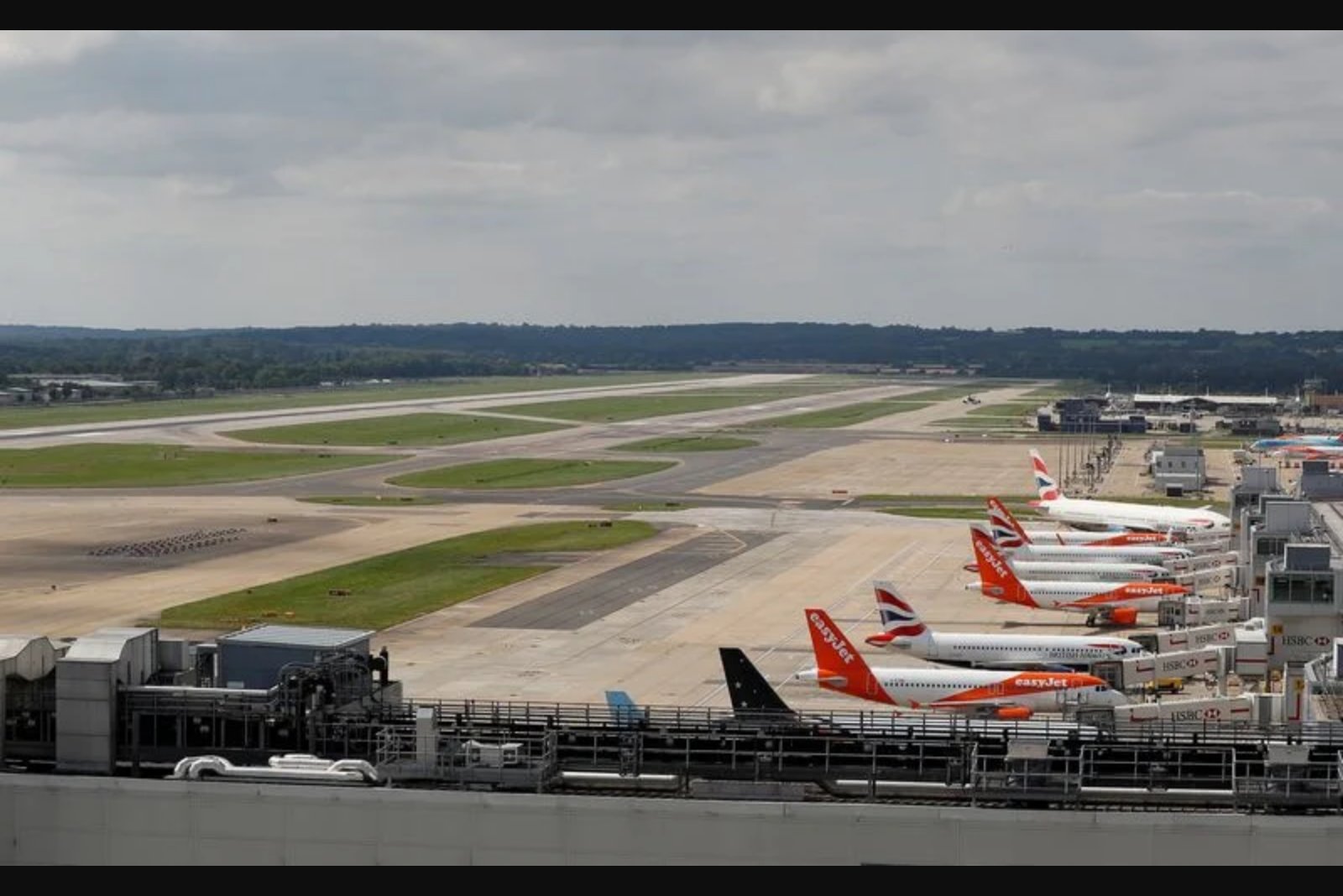
Officials and industry executives point to a series of high-profile events over the past year that have underscored the vulnerability of economic and civil nodes. Reported episodes include strikes at Dubai airport, incursions in Baltic states, fires from debris after interceptions at the Fujairah Oil Zone, and alerts at Munich and Copenhagen airports. London’s Gatwick Airport, which suspended flights pre-2020 because of drone alerts, is frequently cited as an earlier example of how small unmanned systems can interrupt aviation operations.
Those events have translated quickly into commercial demand. Siete Hamminga, CEO of RobinRadar, a Netherlands-based counter-drone business that evolved from bird-strike research, said: "There is a direct effect of a lot of people calling us." Firms that previously served primarily military customers have seen enquiries broaden to include civil authorities and critical infrastructure managers.
Scale and investment
Analysts provide a range of current market valuations, estimating the global counter-drone sector is worth between $3 billion and $7 billion today and growing at roughly 20% a year. A MarketsandMarkets report included in the available data projects the market could reach $14.5 billion by 2030 from $4.5 billion at present.
Executives at manufacturers reported capacity and demand increases. Eben Frankenberg, CEO of Echodyne, which makes drone-detecting radars, said investment in a new plant to open this year will lift the firm's annual production capacity to more than 30,000 units. "In terms of the demand for our radars, we saw well over 100% growth last year, and that isn’t slowing down," he said.
Products and use cases
Recent technological responses span a spectrum from detection-only systems to kinetic and electronic measures. Examples cited by industry sources include radar systems, radio-frequency sensing and jamming devices. A U.S. company has shown a handheld, gun-shaped jammer designed to deny control links, while Boeing has demonstrated an autonomous aircraft that can operate alongside combat jets carrying counter-drone jammers and interchangeable weaponry in its nose.
Businesses beyond defence are now prospective customers. Energy companies, shipping operators, data-centre managers, hotels and airports figure in conversations around procurement as those sectors seek protection from the emerging aerial threat.
Regulatory and safety constraints
Despite strong interest, many countermeasures remain impractical for civilian locations because of regulatory and safety concerns. Airports operate under strict limits on what can be used to counter drones. Jamming and GPS interference risk affecting communications and navigation systems, making such tools unsuitable near runways and taxiways. Germany-based radar maker Hensoldt’s spokesperson stressed that kinetic measures such as machine guns or similar weapons are not permitted near civilian infrastructure: "You simply can’t use so-called kinetic effective means, such as machine guns or similar, near civilian infrastructure."
Decisions about what battlefield-proven systems can legally and safely be used in civilian contexts rest with national regulators. Stephanie Lingemann, head of the air division at German firm Helsing, said: "What is allowed is a regulatory question that needs to be answered by the governments. We cannot make the decision." This regulatory environment means most civilian deployments focus on detection and monitoring rather than active defeat of drones.
Limitations and market caution
Counter-drone technology faces an ongoing technical arms race as adversaries refine drone capabilities. Mike Schut, commercial director at DroneShield, which employs radio-frequency sensing in its systems, described the dynamic as "always a cat-and-mouse game" in which defenders must continue to innovate as new unmanned systems emerge.
Analysts and academics cautioned about cost and efficacy. Advanced systems can be expensive, sometimes costing hundreds of thousands of dollars, and are not foolproof. Greg Falco, a professor at Cornell University, characterised the current market reaction as partly driven by fear: "Right now it’s just panic mode, and everybody is acquiring absolutely every tool they can find in their arsenal to feel like they have a little bit more control," he said. "I’m just seeing so much snake oil." The warning underscores that while procurement is accelerating, buyers must weigh price, performance and regulatory suitability.
Investment messaging in the market
Alongside the commercial activity, marketing and investment pitches have begun to appear. One example included a direct question about investing in a listed counter-drone company and an AI-driven stock-selection service that evaluates companies across financial metrics, claiming to identify risk-reward opportunities. The promotional copy referenced past winners in other sectors as illustrative examples of the service’s track record.
Outlook
The counter-drone sector is expanding as operators of airports and other infrastructure seek protection from a growing number of incursions. Still, regulatory constraints, safety considerations and questions over the performance and cost of cutting-edge solutions mean that most civilian sites are likely to emphasise detection and monitoring tools in the near term. The market trajectory points to continued investment and product development, but the pace and shape of civilian deployment will be governed by national rules and the practical limits of available technology.