
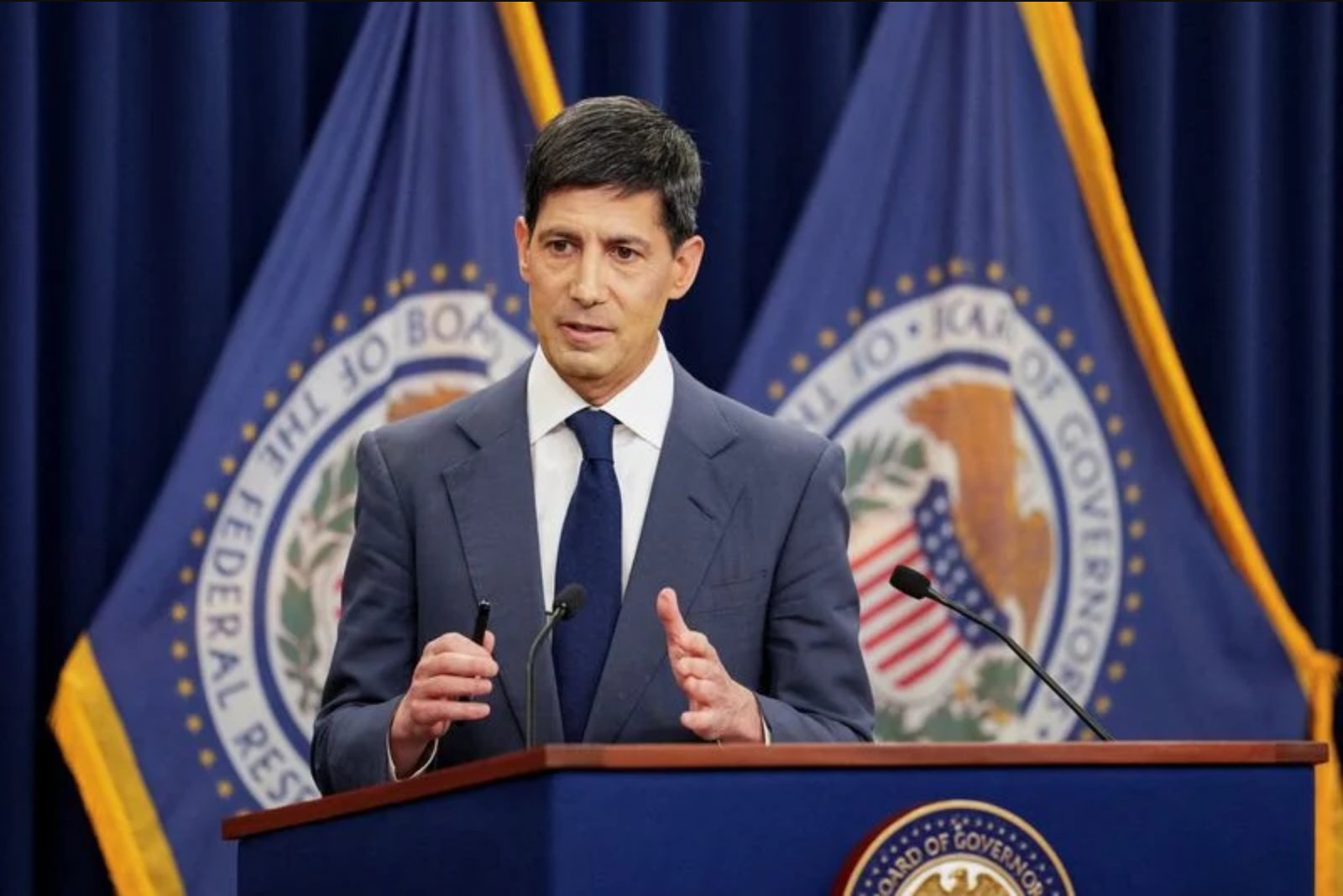
Federal Reserve Chair Kevin Warsh used his debut press conference to unveil a wide-ranging review of the central bank’s strategy and to stress a commitment to rein in inflation. While he avoided offering a personal projection for interest rates, new quarterly forecasts from the Fed show that nine of the central bank’s 19 policymakers now anticipate at least one rate hike by the end of 2026.
Warsh encouraged market participants to price assets from their own read of economic data instead of trying to second-guess how Fed officials interpret that information. He warned that relying on the Fed’s commentary could lead to a situation in which "all the financial markets are doing is reflecting back what we’ve said." That guidance, coupled with the updated projections, has led markets to fully price in a Fed rate increase by October, a shift that has pushed U.S. Treasury yields and the dollar higher.
The broad review Warsh announced could change how the Fed reaches decisions and how it communicates with the public. Officials introduced a shorter policy statement, a format the central bank previously used, which some view as signaling a new phase in the Fed’s public interface. Market participants may need time to adapt to a central bank that shares less granularity, and a move toward reduced transparency could, at least initially, intensify the volatility the Fed seeks to minimize.
Currency markets reacted strongly to the Fed’s stance. The dollar gained ground and the yen remained under pressure, trading around the 160-per-dollar level for several days. That weakness has revived intervention concerns in Tokyo after renewed public admonitions from Japanese officials.
When asked about the yen’s declines, Chief Cabinet Secretary Minoru Kihara said at a regular press briefing: "We are ready to respond appropriately to currency moves as needed at any time." Despite a recent Bank of Japan rate hike, the yen has shown little sustained recovery, and speculative net short positions in the currency have surged to the highest levels since July 2024.
Meanwhile, market attention is also on the Bank of England. The BoE is expected to keep its policy rate at 3.75% in a decision scheduled for later on Thursday as it evaluates what a tentative truce in the Iran war might imply for inflationary pressures. The combination of a strong dollar and central bank deliberations in major economies has left traders and policymakers watching for signals of shifting global interest-rate paths.
Key data and events that may influence markets on Thursday include:
- UK labour and wage data for April
- Bank of England policy decision
- Euro zone April current account data
Investors are now parsing both the Fed’s updated projections and Warsh’s guidance on market pricing, while central banks in other jurisdictions consider their own policy balances amid volatile currency and bond moves. The interaction of evolving Fed communications, renewed dollar strength, and fragile demand signals across economies will be watched closely in the sessions ahead.