
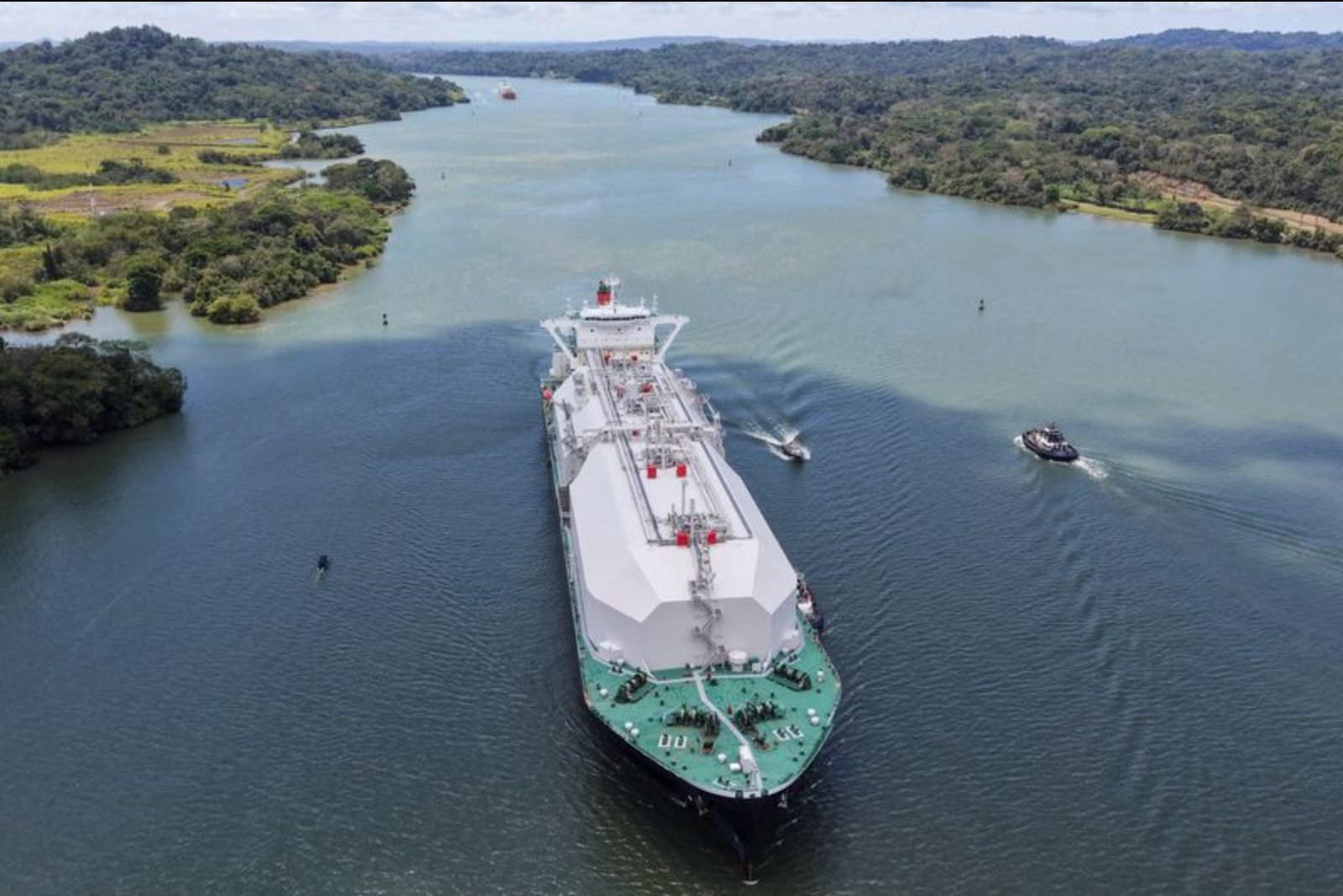
Global ordering of liquefied natural gas carriers (LNGCs) is recovering following a slump in 2025, with shipyards in South Korea and China reporting increased contract activity, industry executives and analysts say. The rebound is being attributed to growing LNG output, a push for more fuel-efficient tonnage, and accelerated demolitions of older vessels.
Consultancies Poten & Partners and Drewry reported 35 new LNGC contracts in the first quarter, up from a total of 37 ordered across all of 2025. By contrast, the market saw a record 171 LNGC orders in 2022, according to Drewry data. Each new tanker carries an estimated price tag of $250 million to $260 million and typically requires more than three years to complete.
Analysts highlight several forces supporting demand for new-build LNG carriers. Upcoming production increases in regions including the United States, Africa, Canada and Argentina will require more transport capacity. At the same time, stricter emissions rules and economics have hastened the removal of older, less efficient ships from service - a trend that encourages owners to order modern, dual-fuel and more fuel-efficient designs.
"Steam turbine and diesel-electric carriers are expected to be phased out," said Pratiksha Negi, Drewry's lead analyst for LNG shipping, pointing to the combined impact of operating economics and regulatory pressure. Drewry's data shows an acceleration in steam-propelled LNGC demolitions since 2022, reaching a record 15 vessels last year.
The global LNGC fleet is currently composed of more than 700 vessels tasked with moving more than 400 million tons per annum (mtpa) of LNG. Industry approvals for new production capacity also add to vessel demand: some 72 mtpa of new LNG capacity was approved last year, and Wood Mackenzie's Fraser Carson estimates that more than 120 mtpa of new U.S. LNG supply will enter the market over the next three to four years.
U.S. LNG volumes are often sold on a free-on-board basis that includes destination flexibility, allowing cargoes to be redirected mid-voyage. That flexibility can lengthen voyage times and tie up tonnage for longer periods, creating a need for more vessels to support evolving trading patterns, Carson said.
Major fleet owners are already responding. Japan's Mitsui O.S.K. Lines, which currently operates the world's largest LNGC fleet with 107 vessels, said investment in U.S. LNG supply is likely to spur additional tanker orders. The company intends to expand its LNGC fleet to roughly 150 vessels by around 2035, according to CEO Jotaro Tamura.
At the same time, portfolio expansion by national operators is notable. Qatar, which operates over 100 LNGCs, plans to add 70-80 newbuilds over the next three to four years, while the UAE's ADNOC is expected to double its fleet to 18 within 36 months, Fraser Carson said. A portion of those newbuilds were originally intended to serve projects that are now facing delays.
The Iran war, however, complicates the outlook for LNG shipping. Disruptions have affected flows through the Strait of Hormuz and have sidelined 12.8 mtpa of Qatari capacity for a period estimated at three to five years, creating uncertainty over near-term cargo volumes. Such disruptions can push Asian buyers to Atlantic basin sources, lengthening voyage distances and altering demand patterns for ships.
Wood Mackenzie's Carson noted the situation presents mixed signals - supply disruptions may redirect cargoes and increase distances, ramping up demand for carriers, while the sidelining of Qatari capacity could reduce the need for shipping and place downward pressure on freight rates at a moment when a large volume of new ships is already scheduled for delivery.
Poten & Partners and Drewry forecast a record number of LNGCs to be delivered this year - roughly 90 to 100 vessels - up from 79 deliveries in 2025. Drewry also reported that seven of nine LNGCs originally slated for delivery this year have been pushed back to 2027-28, and that those delays are linked to QatarEnergy.
Industry voices say the war and related uncertainties could cause some firms to hesitate in placing large newbuild orders. "Market uncertainty and rising shipbuilding costs, including labour and raw materials amid the current Middle East crisis could deter some from placing orders," Poten & Partners senior LNG analyst Irwin Yeo said.
Regulatory action is another factor shaping newbuild demand. A proposed framework by the International Maritime Organization to cut shipping emissions, combined with owner preference for dual-fuel capability, is prompting the industry to shift toward vessels that can burn LNG as fuel. Uma Dutt, vice president for LNG at ship management firm Anglo-Eastern, said that this regulatory backdrop is contributing to interest in new, compliant tonnage.
Despite the mixed signals from geopolitical disruption, the combined forces of new LNG supply, fleet renewals, emissions-driven design changes and accelerated demolitions are driving a clearer uptick in new LNGC ordering activity so far this year. The balance between additional deliveries and shifting cargo flows will determine pressure on freight rates as the market absorbs the influx of new ships.
Summary
Orders for LNG carriers have picked up after a 2025 slowdown, supported by new production projects, regulatory-driven fleet renewal and accelerated scrapping of older vessels. However, the Iran war introduces uncertainty by disrupting flows and delaying projects, which could soften freight rates even as a large number of newbuilds come online.
Key points
- Shipyards in South Korea and China recorded 35 LNGC contracts in the first quarter, following 37 orders in all of 2025 and a record 171 in 2022 - signaling a rebound in newbuild activity.
- Expanding LNG supply - including more than 120 mtpa of U.S. LNG due in the next 3-4 years and 72 mtpa of approvals last year - plus a shift to fuel-efficient and dual-fuel vessels is underpinning demand for new carriers. Sectors affected include shipping, energy producers and shipbuilding.
- Fleet dynamics are changing: over 700 LNGCs serve more than 400 mtpa of supply, and accelerated demolitions (a record 15 steam-propelled vessels scrapped last year) are clearing room for modern tonnage.
Risks and uncertainties
- Geopolitical disruption from the Iran war - flows through the Strait of Hormuz have been affected and 12.8 mtpa of Qatari capacity is sidelined for 3-5 years - which could reduce near-term shipping demand and pressure freight rates. This impacts energy traders and shipowners.
- Project delays for under-construction LNG developments may leave newly built vessels looking for employment, potentially softening charter rates as ships are offered on sublet arrangements.
- Rising shipbuilding costs - including labour and raw materials amid Middle East tensions - and market uncertainty could prompt some firms to postpone large newbuild orders, affecting shipyards and equipment suppliers.