
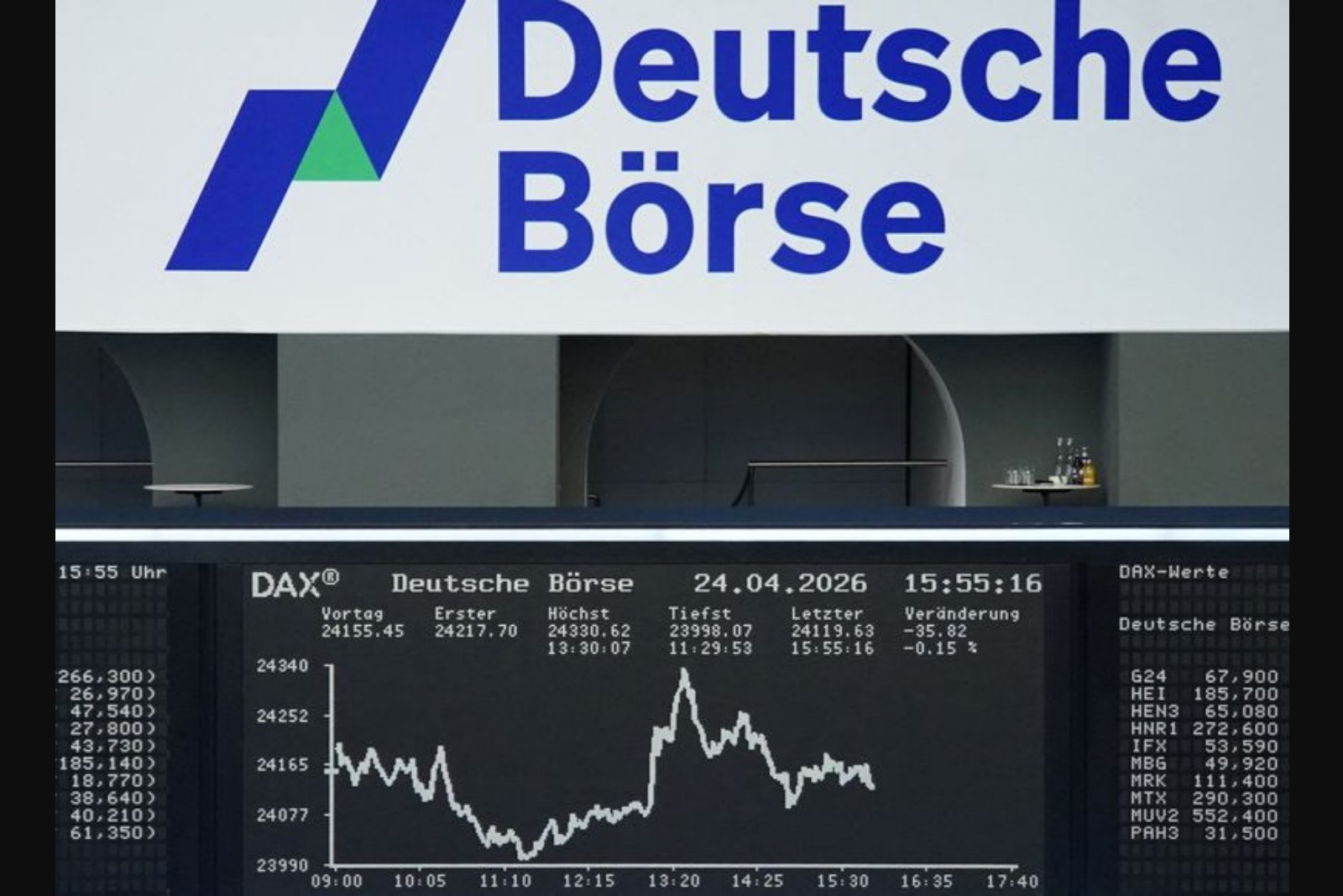
LONDON, April 24 - Deutsche Boerse Chief Executive Stephan Leithner warned that opening equity markets to trading around the clock and across the week could harm market functioning by dispersing liquidity, at a moment when Wall Street participants are preparing to widen trading hours.
Exchanges worldwide are confronting the rise of crypto and other asset classes that do not adhere to traditional trading schedules, and technology has increased retail traders' expectations of always-on access. In the United States, Nasdaq filed documentation in December to extend trading to 23 hours on weekdays, while the CME is introducing 24/7 trading for crypto futures and options. These moves have met resistance from many banks and asset managers.
Leithner told Reuters that the exchange industry must avoid fragmenting liquidity - including from a timing perspective - because large investors prefer to concentrate buying and selling into specific windows that support market efficiency. He noted that while technological capability exists to run continuous markets, that does not mean it should be applied universally.
Deutsche Boerse, which operates the Frankfurt stock exchange, the Eurex derivatives platform and the 360T foreign exchange venue among other businesses, will report first-quarter results next week. Leithner pointed to the company’s XETRA Retail offering as an example of targeted extended hours in practice; the platform permits trading until 10 p.m. in Europe. "Even if it is technically something we can do, we should keep it targeted to investors that are interested," he said.
Leithner gave a practical illustration of the point on market liquidity: "Can you imagine the biggest asset managers come in on a Sunday evening in August to trade? Why would they do that? For their trades, they need big liquidity, they need accumulated liquidity," he said, arguing that major participants rely on concentrated liquidity to execute substantial orders effectively.
Policy and market structure concerns
European policymakers and financial leaders have expressed growing unease about the weakening position of the region’s public equity markets and the potential economic consequences. The finance ministers from the so-called E-6 group of euro zone countries sent a letter to the European Commission in March requesting greater transparency across equity trading venues.
Leithner described a fragmented European trading landscape in which roughly 500 trading venues operate but only 35 of those are exchanges, with a substantial portion of activity moving into so-called dark pools. He said the share of global equity trading on Europe’s public markets has dropped to below 30% from about 55% two decades ago, while the U.S. share has remained around 50%.
"We need to bring back the liquidity from the others to the transparent venues. That consolidation, does this need M&A? No, this will organically happen with the right regulatory framework," Leithner said, indicating a preference for regulatory solutions to encourage migration of activity to public, transparent markets.
Industry responses
Other major European exchanges, including the London Stock Exchange Group, have said they continue to evaluate trading-hour options. LSEG responded with a statement that it "regularly look[s] across all of our trading platforms and markets to ensure they best serve the needs of companies and investors. Any changes to trading hours would be made in response to customer demand and following full consultation with market participants."
Leithner also noted that many banks and asset managers oppose broad moves to 24/7 trading, reflecting concern among large institutional players about the impact on liquidity and execution quality.
Additional note
The article referenced the ticker DB1Gn in a separate investment query that appeared alongside the news content.