
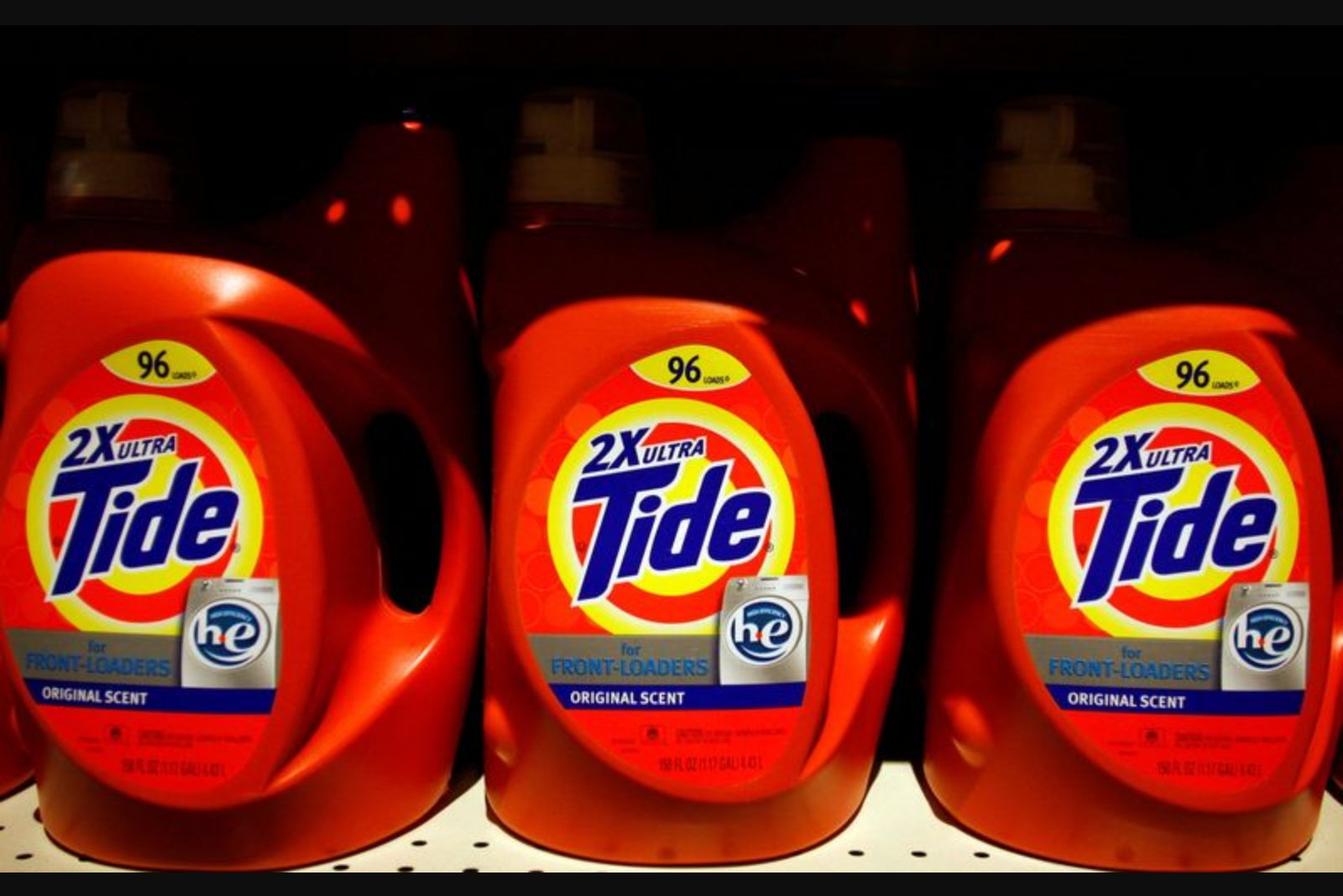
Rising oil and commodity prices linked to the Middle East conflict are testing the tentative recovery in global consumer demand, forcing major manufacturers to confront a fresh wave of cost pressure through packaging, plastics and shipping. On Friday, Procter & Gamble told investors that the company expects roughly a $1 billion reduction to fiscal 2027 profit as higher crude costs weigh on its supply chain.
The P&G update underscores how an oil shock is filtering through input costs and logistics, amplifying the choices facing consumer-facing firms: raise prices to protect margins or absorb costs and risk compressing profitability.
Inflationary pressures and consumer response
P&G finance chief Andre Schulten said on an earnings call that inflation across categories including food, energy and healthcare has altered how consumers evaluate value, and that recent geopolitical events have intensified that concern. "In short, the consumer path to purchase is changing every day," he added, and he expects heightened change over the next three to five years.
Some companies did report encouraging signs of demand returning. Results from Nestle and Danone showed first-quarter volume growth after a prolonged stall, which offered tentative relief to investors seeking confirmation that shoppers were beginning to stabilise following years of elevated prices.
Yet analysts warned that any rebound could be fragile if firms move to pass on higher costs through additional price increases. AJ Bell head of markets Dan Coatsworth cautioned that while consumer staples companies will attempt to pass on extra costs, they may find doing so difficult as shoppers remain value-conscious.
How companies are responding
Executives described a range of defensive measures. Danone deputy CEO Juergen Esser said short-term hedging is cushioning near-term cost pressures and that the company has accelerated productivity programmes to manage volatility. Reckitt CEO Kris Licht said the conflict has already affected the company's Middle East business and has undermined what had been a positive start to the year, noting that visibility for the second half is limited even as demand in core categories remains resilient.
Reckitt also reported that more consumers are shifting from branded health and hygiene products to private-label alternatives, and warned that higher commodity costs will hit first-half margins. Keurig Dr Pepper described a pattern of shoppers trading down within branded ranges rather than abandoning brands outright, leading the company to increase promotional activity.
Several household-name consumer groups - including Unilever, Coca-Cola, Kimberly-Clark and Mondelez - had not detailed the impact of higher energy prices on their businesses at the time they prepared quarterly reports that week; they were scheduled to report results during the same reporting window.
Broader signals from earnings calls
The recent earnings season has reflected a common theme: rising transport and raw material costs, ongoing supply-chain strains and diminished visibility because of the nearly two-month conflict. Companies across sectors have flagged the same set of pressures when discussing their margins and outlooks.
Zavier Wong, a market analyst at eToro, said companies increasingly face a difficult choice between defending prices and relying on volume to restore revenue, and that the trade-off will become harder if energy costs continue to rise through the year. He added that companies best positioned to withstand the shock are those that hedged early and operate in categories where consumers lack easy substitutes.
Consumer budgets and inflation readings
Higher oil and gas prices have fed into inflation readings in Europe and the United States, stoking concern that household budgets could be squeezed just as consumers were beginning to find a footing after the post-pandemic cost-of-living shock. The prospect of renewed price increases risks prompting more shoppers to opt for lower-cost alternatives, which in turn would pressure volumes at branded goods companies.
Implications for markets and sectors
Consumer staples, food and beverage, and household goods sectors are directly exposed to input-cost increases tied to crude, packaging and logistics. Companies within these categories are deploying hedging, productivity programmes and promotional tactics in attempts to blunt the impact on margins and sales.
Key quotes from executives and analysts
"Inflation across food, energy, healthcare, and many other areas of spending has taken a toll on consumers and how they assess value," - Andre Schulten, P&G finance chief.
"This time round, consumer staples companies will try their best to pass on any extra costs, but they might struggle," - Dan Coatsworth, AJ Bell head of markets.
"Companies are increasingly having to make the difficult choice of whether to defend prices, or let volumes do the work instead. That trade-off will only get harder if energy costs keep climbing through the year," - Zavier Wong, market analyst at eToro.
Executives and analysts agree that near-term hedging and accelerated productivity measures can help buffer some of the pressure, but uncertainty remains over how sustained higher energy prices will be and whether those costs will ultimately be borne by consumers or producers.