
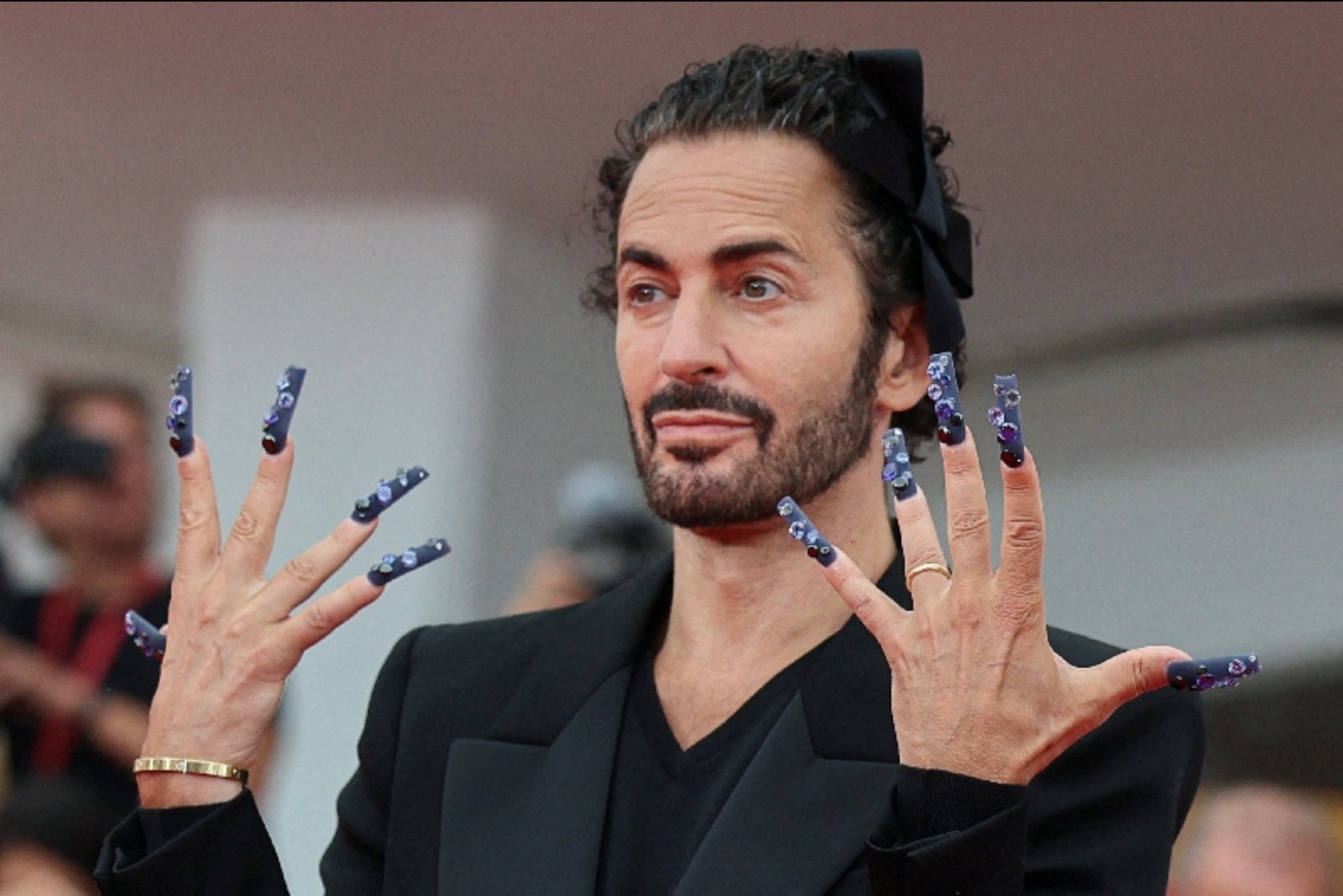
LVMH has reached an agreement to divest an approximately 80% stake in the fashion label Marc Jacobs in a deal worth about $850 million. The transaction closes a sale process that stretched over roughly two years and signals a change in emphasis at the world’s largest luxury conglomerate toward concentrating on its most profitable, high-end names.
The Marc Jacobs label has been in LVMH’s ownership since the late 1990s, when Marc Jacobs served as creative director at Louis Vuitton. Industry observers point out that Jacobs played a key creative role in reshaping Louis Vuitton into a dominant force in global fashion, making the sale particularly notable for both symbolic and strategic reasons.
Portfolio pruning amid a tougher cycle
The agreement to sell Marc Jacobs comes after a string of other disposals by the group over the last two years, including the streetwear label Off-White, a minority stake in Stella McCartney and travel retail operations in Greater China. Taken together, these moves underline a growing willingness at the top of LVMH to reduce complexity across its holdings.
Analysts note that LVMH now controls more than 70 brands across categories from fashion to jewellery, spirits and cosmetics. Yet a narrow group of businesses - Louis Vuitton, Dior, Sephora, its perfume operations, and the jewellers Tiffany and Bulgari - account for roughly 75% of sales and nearly 90% of operating income, according to calculations based on Visible Alpha data.
That concentration, combined with two years of declining revenue and the additional uncertainty attributed to the conflict in Iran, has fed investor skepticism over the merits of maintaining a large number of smaller labels that contribute little to group earnings. LVMH shares have underperformed peers for more than two years and are down nearly 30% so far this year. Chairman and CEO Bernard Arnault, 77, faces heightened scrutiny over succession planning and governance as scrutiny intensifies.
Implications for smaller maisons and strategic options
Market strategists say the Marc Jacobs sale signals a sharpening of priorities at LVMH toward heritage luxury brands with scale and strong margins. That shift raises questions about the future of other smaller labels within the group, including names such as Kenzo and Pucci, which sit alongside higher-margin brands like cashmere specialist Loro Piana.
LVMH is also reported to be weighing a potential sale of Rihanna’s Fenty Beauty, according to people briefed on the matter. The company has previously explored other transactions and continues to consider how best to deploy balance-sheet capacity, potentially preserving firepower for a major strategic acquisition in the future.
Observers note that divestments are not straightforward in the current environment. It took LVMH about two years to complete the sale of Marc Jacobs, illustrating subdued buyer appetite for fashion labels facing weaker consumer demand. That same market dynamic may explain why some rival owners have pursued restructuring of loss-making assets before attempting sales.
At the same time, LVMH has room to pursue future large-scale deals. Its last headline acquisition was the $16 billion purchase of Tiffany & Co., which closed more than five years ago. Italy is considered the locus of the biggest near-term opportunity, where the estate of the late Giorgio Armani named LVMH as one of the preferred buyers in a potential two-stage sale of the fashion house he founded. LVMH has reportedly been studying that option, according to a person with direct knowledge of the situation.
Competitive pressure and market implications
Competition among the luxury houses is intensifying. Privately held Chanel has started 2026 strongly, in part due to anticipation around its new creative director, Matthieu Blazy. Morgan Stanley analysts estimate that Chanel could capture about 30% of fashion and leather goods sales growth this year, a pace that would likely come at the expense of peers such as Louis Vuitton and Dior.
Brand strategists and portfolio managers interpret the Marc Jacobs disposal as a firm signal that LVMH will prioritize profitability and scale. "Less important brands are no longer automatically being kept on the drip," said DWS portfolio manager Stefan Bauknecht. Brand strategist Rafael Carlesso added that the company is signaling it will not continue subsidizing segments that have lost pricing power with aspirational consumers. Veteran luxury strategist Claudio Navarro observed that Marc Jacobs helped define a new fashion playbook at Louis Vuitton and that its sale is evidence of tougher discipline in a more challenging cycle.
As the luxury cycle remains under pressure, the Marc Jacobs deal encapsulates a broader strategic recalibration at LVMH - emphasizing core brands that drive the bulk of earnings while trimming less accretive assets, even when those assets carry cultural or historical resonance within the group.