
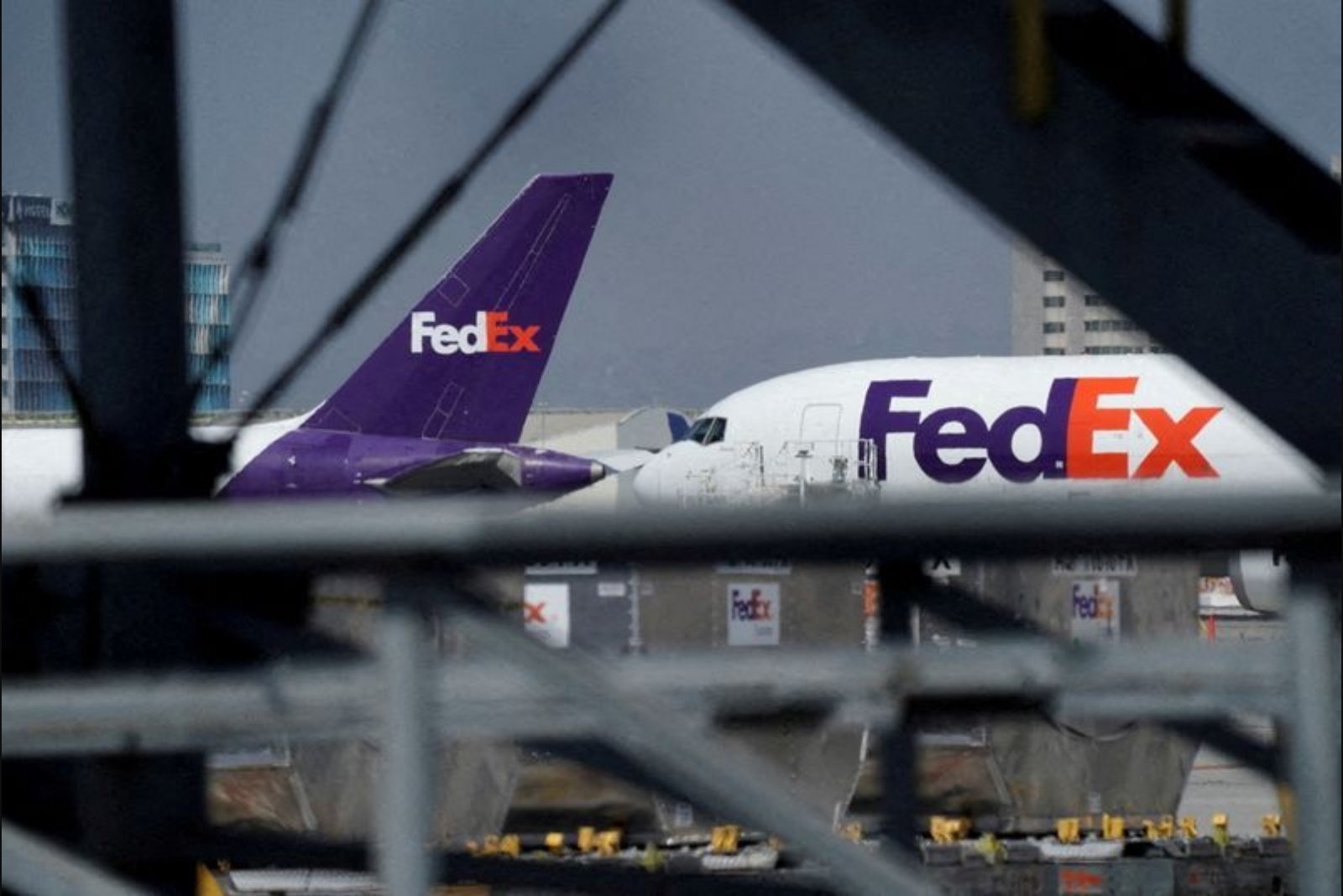
FedEx and UPS have each said they will remit any tariff refunds they receive from the U.S. government back to the customers who originally paid the levies. The statements arrived as the federal authorities began processing repayments tied to tariffs the U.S. Supreme Court invalidated earlier this year.
Thousands of companies moved quickly to file claims once a refund mechanism, set up to return tariffs to affected parties, went live last week. The Supreme Court in February struck down the tariffs that President Donald Trump had pursued under a statute intended for national emergencies, a legal ruling that puts about $166 billion in U.S. tariff collections in play for potential repayment.
The tariffs enacted by the Trump administration had disrupted global trade through 2025 and weighed on corporate results across multiple industries, including firms in the logistics sector. Companies that had collected the levies from customers - notably parcel carriers - now face the task of seeking reimbursements from federal authorities and then passing those funds back to clients.
UPS Chief Executive Officer Carol Tome addressed the situation on a post-earnings investor call, saying the company had collected roughly $5 billion in tariffs from its customers. Tome described UPS's approach as cooperative, saying, "We are working with the Customs Border Protection to apply for those refunds. Our approach is to work with the U.S. government and not to sue the U.S. government," a comment that referenced FedEx's February lawsuit.
Tome also cautioned that the timeline for receiving funds from the Treasury could be lengthy. "We think it’s going to take some time before the Treasury remits money to us, but as soon as we get that money, we’re going to remit it right back to our customers," she said.
FedEx likewise stated it will return refunds to customers "as soon as it begins receiving refunds from CBP." Both carriers are therefore positioning themselves to act as pass-throughs for any reimbursements once the federal process advances.
Contextual note: The refund process and the companies' commitments reflect an ongoing administrative response to a Supreme Court decision and a subsequent wave of claims from businesses seeking reimbursement of tariffs previously collected by importers and carriers.