
Summary
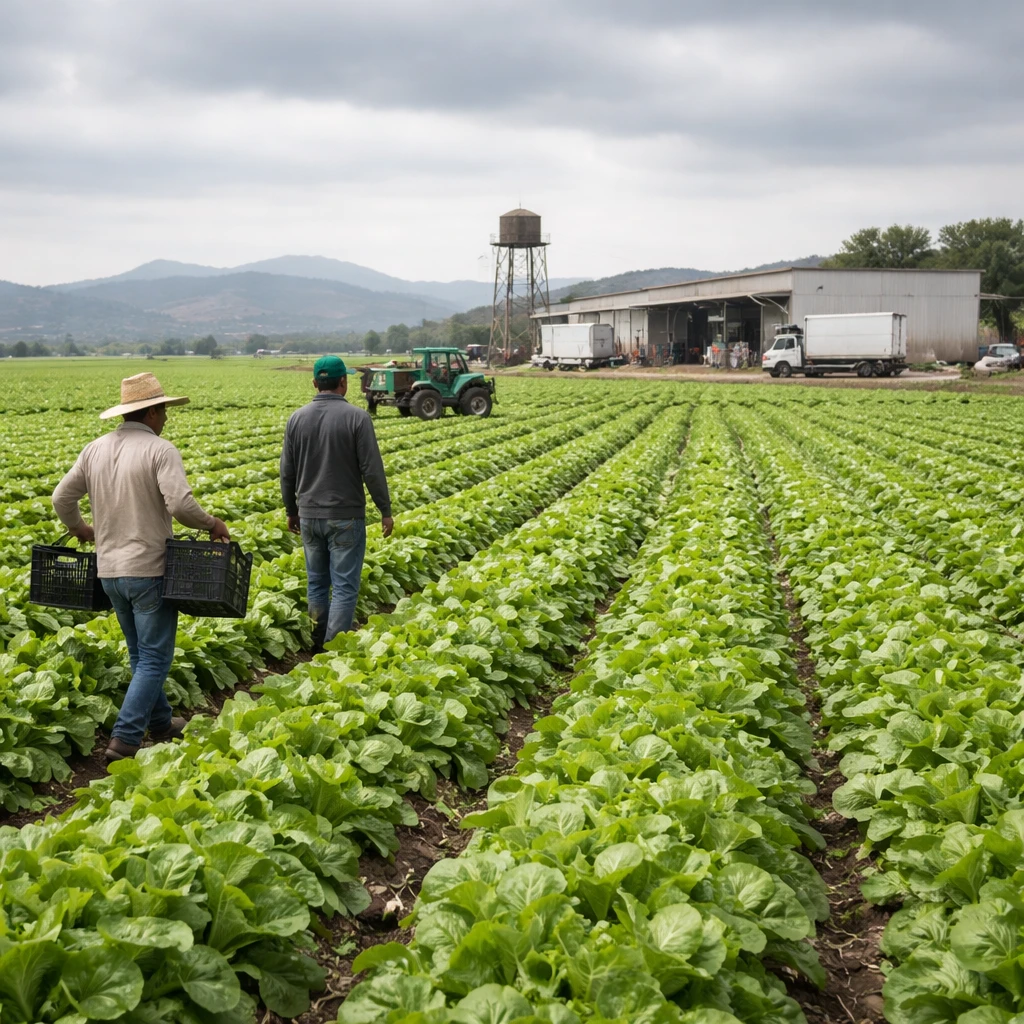
Sources say privately held produce supplier Taylor Farms sought a meeting with senior U.S. officials earlier this month to raise complaints about the government inspection process. The request arrived as an outbreak of cyclosporiasis - an intestinal illness that can cause severe diarrhea - was traced by the Food and Drug Administration to shredded iceberg lettuce served at Taco Bell restaurants and sourced from Taylor Farms operations in central Mexico. Federal, state and international inquiries are ongoing, and public concern has led some consumers and buyers to avoid fresh produce amid uncertainty about contaminated items.
White House and FDA meeting
According to a person familiar with the discussions, Taylor Farms asked for and held a meeting with officials from both the White House and the FDA. That source characterized the meeting as the company lodging complaints about how the government's inspection process was being conducted. Another source said Taylor Farms spoke privately with officials the night the FDA identified their lettuce as the source of the outbreak.
A spokesman for the White House said the administration is closely monitoring the outbreak investigation and rejected any suggestion that it would compromise public health. The spokesman emphasized that the FDA is conducting an evidence-based investigation and said the agency has not reversed its epidemiological findings pointing to a shipment of shredded lettuce from Taylor Farms de Mexico.
Congressional inquiry
U.S. Representative Robert Garcia, the top Democrat on the House Oversight Committee, has initiated an inquiry into the company’s role in the outbreak and whether Taylor Farms attempted to influence the FDA response. In a letter, Representative Garcia noted that Taylor Farms had made significant donations to President Trump, met privately with the White House on the night the FDA identified their lettuce as the likely source, and had reportedly tried to distance itself from the outbreak.
Taylor Farms did not immediately respond to multiple requests for comment on these developments.
Corporate actions and regulatory timeline
The company has stated that it promptly removed products suspected of being affected once questions emerged about the outbreak source, and voluntarily halted production at its central Mexico facility. The FDA confirmed that Taylor Farms agreed to remove the implicated produce after extended discussions with the agency.
However, a source familiar with the situation told investigators that the company did not meet an established 24-hour timeframe for deciding whether to take voluntary action after the FDA presented evidence linking the product to illness. Taylor Farms has said it took action to remove potentially affected items, and it suspended production at the facility in central Mexico while investigations proceed.
Scope of the outbreak and public reaction
The U.S. Centers for Disease Control and Prevention reports 4,173 laboratory-confirmed cases of cyclospora, and more than 7,400 additional suspected cases are under consideration. Michigan officials reported a larger case figure for their state, saying on Monday that 9,253 cases had been logged, an increase of 1,077 since the state’s previous update on Friday. County health officials in affected areas told investigators they believe additional, unidentified items beyond Taylor Farms’ Mexican lettuce could be contributing to illnesses.
Public unease over what produce is safe to eat has prompted many consumers to avoid fresh vegetables and salads. Restaurants and retailers have shown caution as they assess risk, and some large buyers appear to be steering clear of produce from other growers in central Mexico while investigations continue, according to a former FDA commissioner.
Former FDA commissioner and regional concerns
Former FDA Commissioner Scott Gottlieb has publicly described the central Mexico region as suspect, saying multiple outbreak clusters - including in the Great Lakes region, New York and North Carolina - appear potentially linked to herbs such as parsley and cilantro grown in central Mexico, although investigators have not yet determined precise sources. Gottlieb cautioned that the true magnitude of the outbreak could be 10 to 20 times greater than the confirmed case count.
Gottlieb and others have highlighted weather-related vulnerabilities that could lead to widespread contamination. They say raw sewage may have reached agricultural fields through a range of mechanisms - flooding, a breach in a sewage canal, irrigation water contamination, or overflowing portable toilets used by workers - any of which could contaminate multiple fields. "There was some event that happened in central Mexico - we don’t know what yet - that led to a lot of fields probably getting contaminated," he said.
Investigations and responses in Mexico
Mexican authorities and industry groups have urged patience while official probes continue. Mario Puente, who heads health and safety at Mexico’s CNA agricultural chamber, said the trade association is working with authorities to investigate the outbreak and to strengthen preventive practices.
Mexican officials have disclosed that Taylor Farms' irrigation in central Mexico comes from company-owned wells that are certified. They reported no identified health issues among workers, and they said samples of water and lettuce have tested negative for cyclospora to date.
Independent analysts in Mexico noted the apparent mismatch between the number of U.S. illnesses and the limited positive test results in Mexico. Juan Carlos Anaya, director of consultancy GCMA, said he is surprised that lettuce samples have not tested positive for cyclospora and that only a small number of cases have been confirmed domestically in Mexico. "The situation isn’t what it is in the United States, and we eat lettuce too," he said, underscoring concerns about cross-border differences in observed illness.
Supply-chain and market implications
Industry participants and public officials are watching the investigation’s progress closely because the central Mexico supply region supplies a wide range of fresh produce to U.S. markets. Some major buyers and distributors have reportedly removed product from supply chains originating in the region as a precaution, a move that could affect availability and sourcing decisions for restaurants and retailers while investigations and testing continue.
Local health officials and federal agencies continue to examine epidemiological evidence, traceback data and laboratory testing to determine the full scope of the outbreak and identify all potential sources. Until investigations yield definitive results, uncertainty will likely persist across public health, retail and foodservice sectors.
Key next steps
- Investigators will continue gathering epidemiological data and conducting traceback work to identify any additional contaminated products or distribution pathways.
- Federal and state agencies will evaluate testing results from environmental, water and product samples, and authorities in Mexico will continue their parallel inquiries.
- Buyers and distributors will make sourcing decisions based on emerging evidence, regulatory guidance and supply-chain risk assessments.