
Global aviation is confronting an acute fuel squeeze and rising costs linked to the conflict in Iran, with impacts already visible across route networks, fares and airline capacity decisions. Since the conflict began on February 28, carriers have reacted by increasing prices, imposing fuel surcharges and pulling back capacity to protect liquidity and margins.
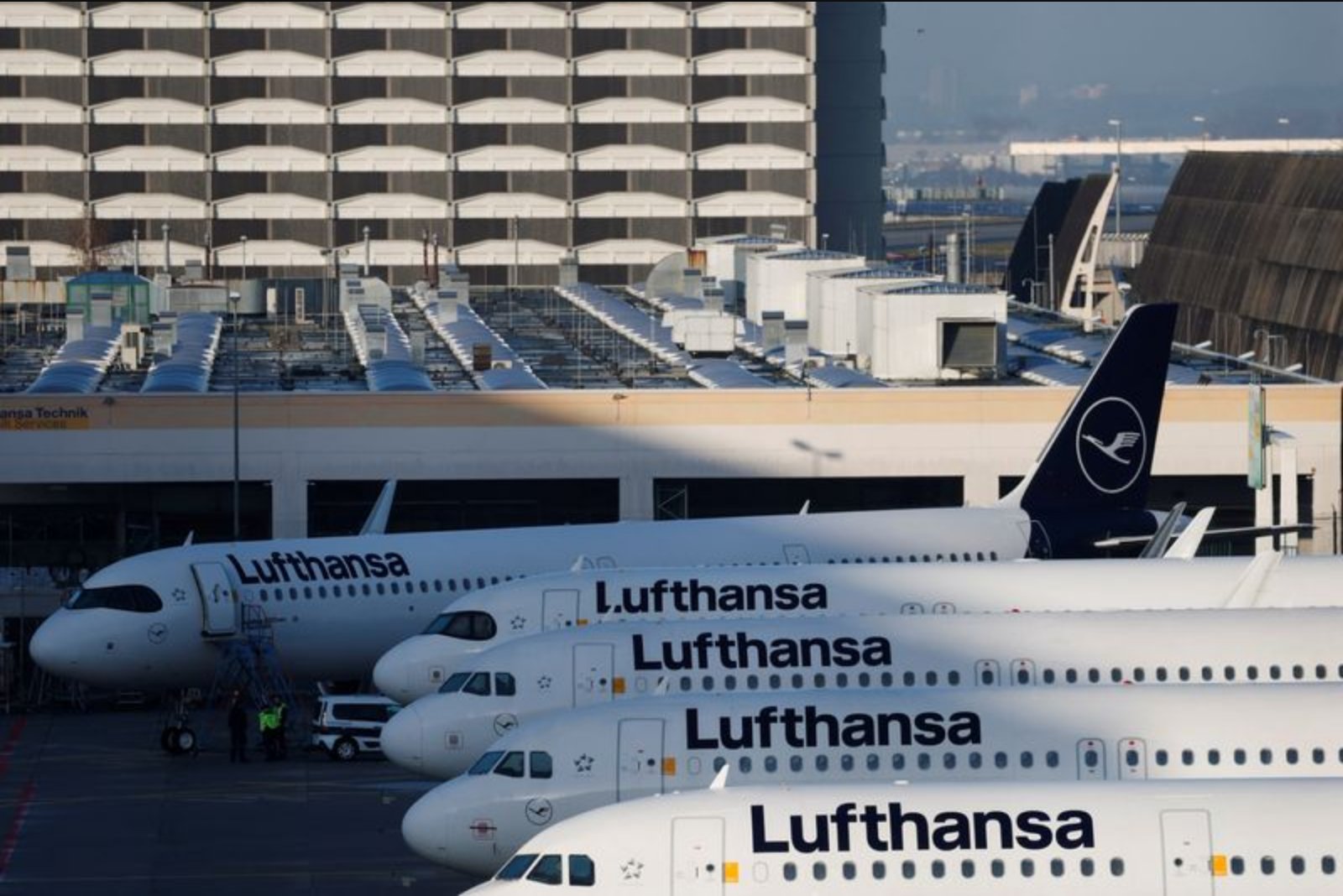
Market response intensified after several high-profile developments: Germany’s Lufthansa said it would ground up to 27 aircraft immediately - the first significant carrier to announce such a move - while Britain’s easyJet reported that bookings were trailing last year’s levels. In Nigeria, the Airline Operators of Nigeria warned that some airlines could cease flying as soon as Monday unless fuel prices, which have spiked roughly 270% since late February, are reduced. Separately, a blaze at Australia’s largest oil refinery is expected to cut output of petrol and aviation gasoline, tightening supply further.
Immediate operational responses
Lufthansa’s decision affects jets within its CityLine unit as well as four older aircraft flying under the Lufthansa brand, a step that has unsettled unions already engaged in contentious negotiations following recent strikes by pilots and cabin staff. The carrier has also sought to shift capacity towards Asia in response to changing demand patterns and reiterated its broad restructuring plan aimed at reducing costs and creating a more streamlined operation.
easyJet reported later booking behavior and a modest shift toward domestic and city break travel. The airline’s CEO, Kenton Jarvis, said travelers are reserving flights closer to departure and that there has been a tilt away from the eastern Mediterranean toward western Mediterranean destinations, though demand to countries such as Cyprus, Egypt and Turkey is gradually recovering. easyJet said 70% of its summer fuel requirement is hedged at $706 per metric ton, but warned that those hedges will begin to unwind toward the end of summer, potentially passing higher fuel costs onto consumers.
Across European markets, investor sentiment reflected these operational pressures. easyJet shares fell as much as 9% intraday before closing 5% lower. Ryanair slid 6%, while Wizz Air and Lufthansa lost roughly 3% each.
Demand uncertainty and revenue pressure
Analysts flagged that slower bookings and diminishing yields are weighing on profit expectations. Dudley Shanley, head of aviation at Goodbody, said airlines will likely need to revise down profit outlooks as lower yields and later bookings feed investor scepticism. Airlines themselves cautioned that projecting demand for the second half of 2026 remains difficult, hinging on how tourists respond to travel disruption and price increases tied to rising fuel costs.
easyJet reported that bookings for the July-to-September quarter were about 30% sold, but noted that load factors - the proportion of seats filled by paying passengers - remained uncertain. Management said the late-summer market outlook depends heavily on near-term developments in the conflict.
Supply-side shock and strategic responses
The closure of the Strait of Hormuz has removed roughly a fifth of global oil and liquefied natural gas supply from the market, and the two-week ceasefire that followed provided only limited relief. Refineries damaged during the conflict require time to repair, and the military and diplomatic dimensions complicate rapid normalization of crude flows.
The conflict has prompted panic buying and stockpiling of jet fuel, while governments and regional authorities are scrambling to secure alternative supplies. The European Union is drafting emergency measures to boost refinery output and has been importing record volumes of jet fuel from the United States. The EU is particularly exposed because some 75% of its jet fuel imports historically came from the Middle East.
In Australia, Prime Minister Anthony Albanese has engaged with regional partners to mitigate the shock. Australia imports about 80% of its fuel and, under recently expanded strategic reserve powers, has secured 100 million litres of diesel from Brunei and South Korea. Analysts warned that the refinery fire will add further upward pressure on fuel prices and reduce near-term availability of aviation gasoline.
Nigeria’s service threat and cash strain
The Airline Operators of Nigeria issued a stark warning that current ticket revenues are inadequate to cover fuel costs in at least some cases. With domestic fuel prices surging around 270% since late February, the association said carriers could suspend operations imminently unless prices moderate. That raises the prospect of sudden interruptions to domestic and regional air services in Nigeria.
Outlook
Airlines and governments continue to monitor fuel availability closely. The near-term outlook will be shaped by whether disruptions to supply routes - including the ongoing closure affecting flows through the Strait of Hormuz - are resolved, the pace of repairs at damaged refineries, and how quickly substitute supply chains can be scaled. For carriers, the combination of later bookings, hedges rolling off, and elevated fuel costs means pricing decisions and capacity management will remain central to near-term strategy.
Data and conversions
Currency conversions included in reporting: $1 = 0.7364 pounds; $1 = 0.8488 euros.