
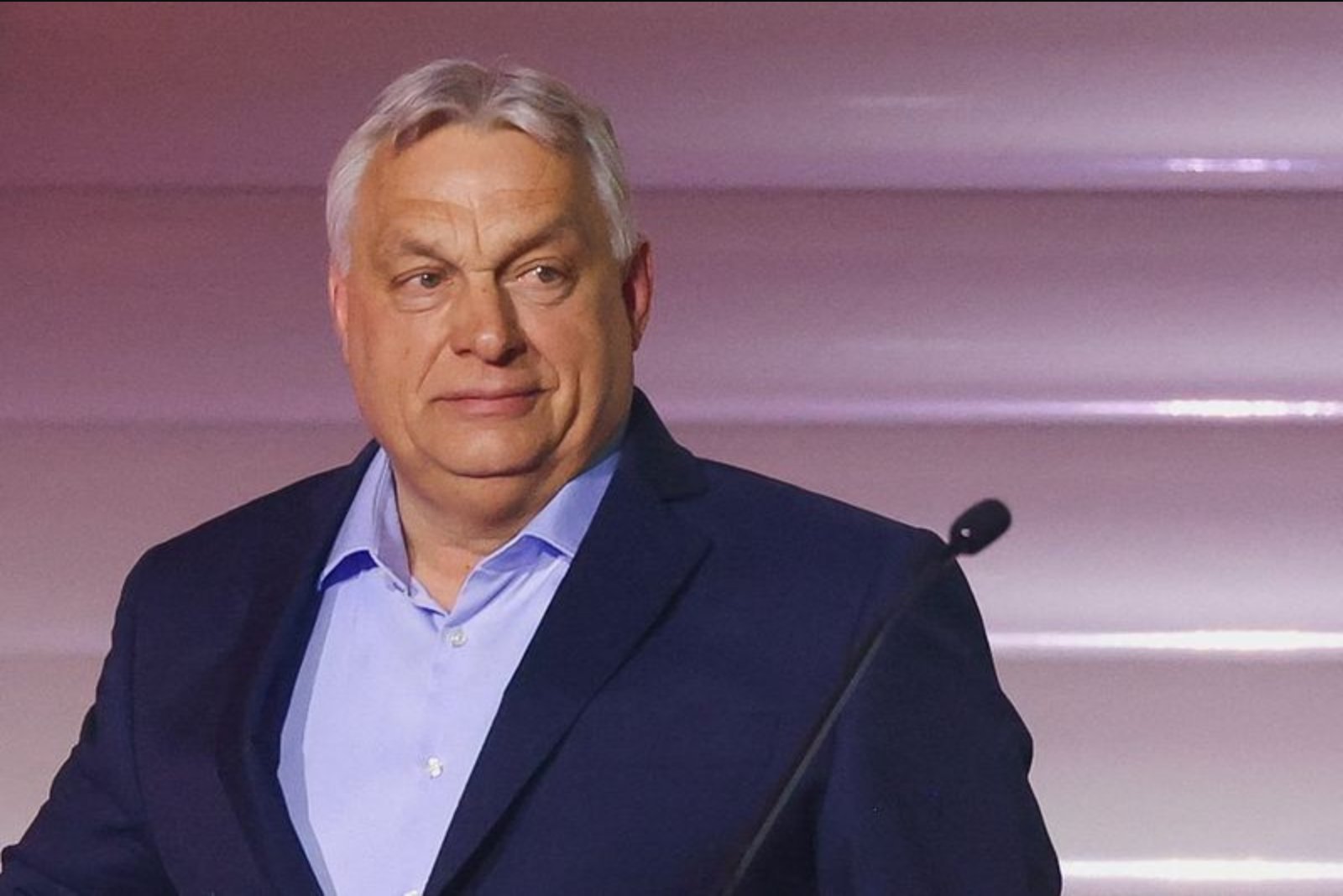
U.S. investors operating in Hungary are pressing for a renewed era of predictable governance after centre-right opposition leader Peter Magyar defeated long-serving Prime Minister Viktor Orban in the April 12 election. The result, which Magyar says will reposition Hungary along a pro-European track and unlock frozen European Union funding worth billions, has raised hopes among foreign business groups for clearer, more stable policy making.
The American Chamber of Commerce in Hungary, one of the country’s largest foreign investor associations, represents more than 300 U.S. and European member companies, including BlackRock, Cargill, Citi, IBM, Mastercard, Microsoft and Novartis. For these corporations, predictability and reliable legal frameworks are central to operational planning and investment decisions after 16 years of Orban’s governance.
Magyar has pledged to take the oath of office on May 9 during the inaugural session of parliament. Among his stated priorities are re-engaging with European institutions to secure the release of withheld EU funds and steering the country toward adopting the euro - a policy direction opposed by Orban. AmCham President Akos Janza said the move toward the euro would reduce exchange rate volatility and lower administrative costs for firms doing business in Hungary.
Investors’ calls for a stable investment climate are rooted in concerns about policy volatility during Orban’s tenure. The previous government’s consolidated parliamentary majority enabled rapid lawmaking, sometimes enacted with minimal consultation and, in some instances, overnight. Sectoral taxes were also used by the administration to finance popular domestic measures, a pattern that contributed to uncertainty among external investors.
Rating agencies have highlighted the consequences of that diminished predictability. S&P Global downgraded Hungary’s credit rating outlook from stable to negative last April, citing weaker checks and balances and reduced judicial independence. Fitch Ratings has recommended that restoring fiscal policy credibility should be a priority for Hungary’s next government after repeated revisions to budget targets and a departure from previously stated policy objectives such as debt reduction.
Janza emphasized the importance of the rule of law as the central framework for the economy. "Capital hates one thing more than tax, and that is unpredictability," he said. "It is absolutely important for us and for our member companies that the rule of law becomes the single driving framework in the economy." He also noted AmCham’s support for Magyar’s plan to create standalone ministries for healthcare and education.
Market signals since the election have been favorable to those hoping for a return to predictability. The forint strengthened to four-year highs in the wake of Magyar’s victory, a move Janza cited as an indicator of investor response. He also pointed to Magyar’s anti-corruption pledge as a potential catalyst for drawing in investors who have remained on the sidelines, though the article’s source material does not quantify how that will translate into new capital flows.
As Hungary approaches the transition of power, foreign businesses and credit agencies alike will be watching whether the incoming government follows through on commitments to strengthen the rule of law and rebuild confidence in fiscal policy. For many multinational firms, renewed clarity on the legal and monetary framework will be a prerequisite for expanding operations or reversing prolonged caution.