
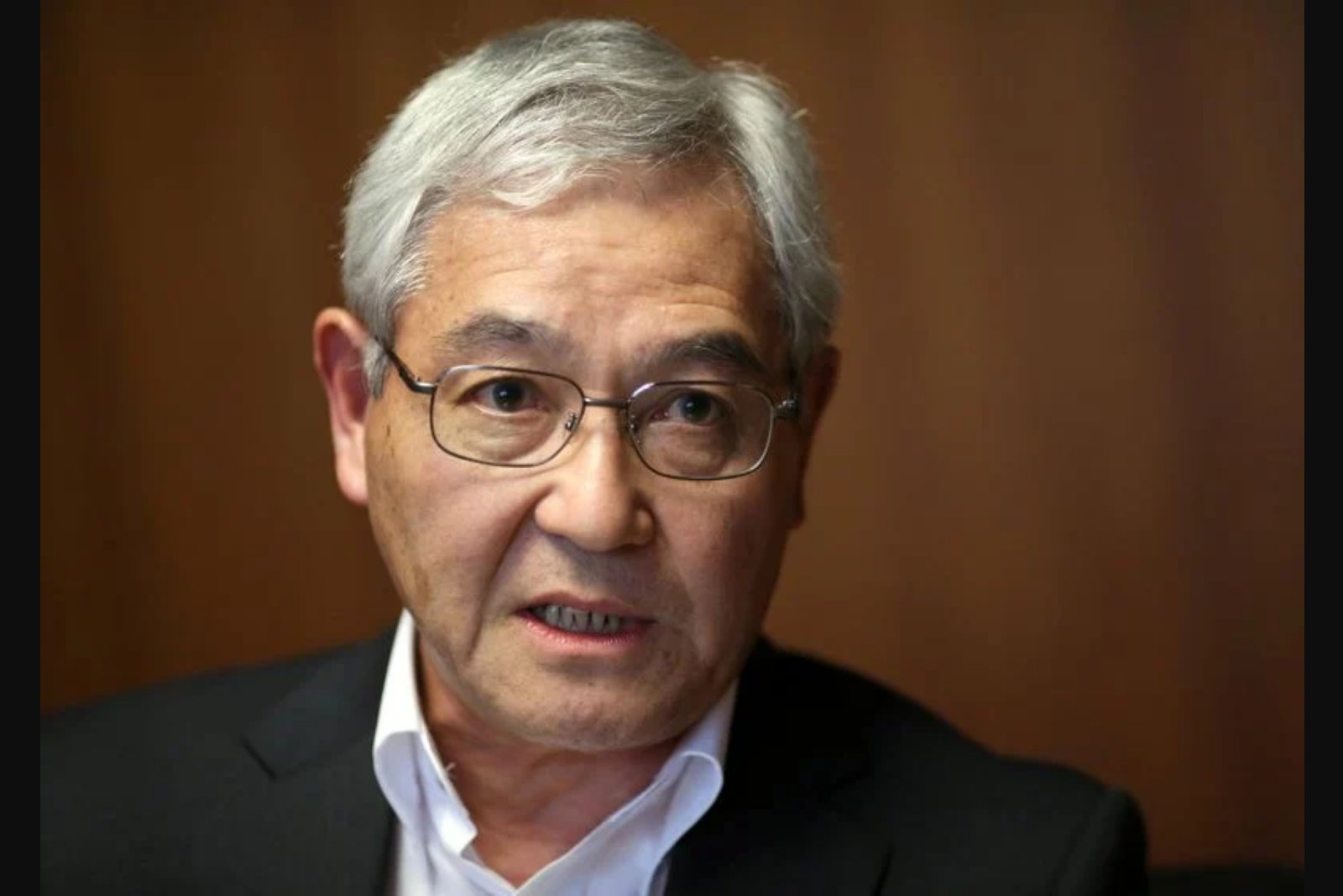
The Bank of Japan’s decision this week to lift its short-term policy rate to 1% - a 31-year high - signals a clear reorientation of the central bank’s priorities toward countering rising inflation risk, former BOJ board member Makoto Sakurai said.
Speaking on Friday, Sakurai described the Tuesday rate move as a significant turning point in monetary policy. He contrasted the BOJ’s recent justification - that the hike was intended to prevent underlying inflation from breaching the 2% target - with the rationale the bank used for earlier increases, which it framed as evidence of growing confidence that inflation would sustainably reach the 2% goal.
"It was a major turning point in monetary policy as it meant the BOJ was now clearly shifting focus to beating inflation," Sakurai said, adding that the move "showed the bank’s growing alarm over inflation risk. The implication for future rate decisions could be huge." Sakurai retains close contact with current policymakers, he said.
Outlook on additional hikes
Sakurai told reporters that recent spikes in wholesale prices are likely to feed through to consumer inflation in the months ahead. He identified the pace of consumer price increases over July-September as a key determinant of when the BOJ will next act.
He said another rate increase by year-end is "pretty much locked in," and that the BOJ is likely to raise rates in either October or December while closely monitoring incoming inflation data. However, Sakurai noted that the bank may move more cautiously - potentially delaying a hike until December - if the consumer inflation rise remains within expectations, citing a concern about pricking an asset-price bubble.
By contrast, if inflation accelerates rapidly and alarmingly, Sakurai said the BOJ could bring forward a hike to October and follow with a further increase by the end of the current fiscal year through March.
Economic backdrop cited by Sakurai
Sakurai pointed to strong corporate profits and a tight labour market as factors that raise inflationary pressure, arguing these dynamics mean the risk of rising inflation could outweigh fears of triggering an economic downturn. "If so, the BOJ will maintain its focus on combating inflation," he said.
Looking further ahead, Sakurai expects the BOJ’s policy interest rate to reach roughly 2% by early 2028, which coincides with the conclusion of Governor Kazuo Ueda’s five-year term.
Complicating factors: energy, the yen and fiscal policy
Sakurai said geopolitical tensions in the Middle East have complicated the central bank’s choices, because higher energy costs both drive inflation and weigh on an economy that imports much of its oil. He also said the persistently weak yen has contributed to higher import prices and broader inflationary pressure.
Despite those pressures, Sakurai does not believe rate increases or currency-market intervention alone will reverse the weak-yen trend. He attributes the currency’s weakness largely to market concerns about Prime Minister Sanae Takaichi’s expansionary fiscal stance. The prime minister, described by Sakurai as an advocate of loose fiscal and monetary policy, has rolled out major spending plans and targeted subsidies to limit fuel bills.
The administration has already compiled a 3 trillion yen extra budget financed by additional debt issuance. Sakurai warned that if a second extra budget is prepared this year, rising concern over deteriorating public finances could prompt a downgrade of Japan’s credit rating and further weaken the yen, he said.
"The problem with Japan is a lack of consistency between the BOJ’s efforts to tame inflation and expansionary fiscal policy that works to fuel inflation," Sakurai said. "Unless this is fixed, there is no way out from Japan’s weak-yen problem."
Exchange rate reference: $1 = 161.3200 yen.