
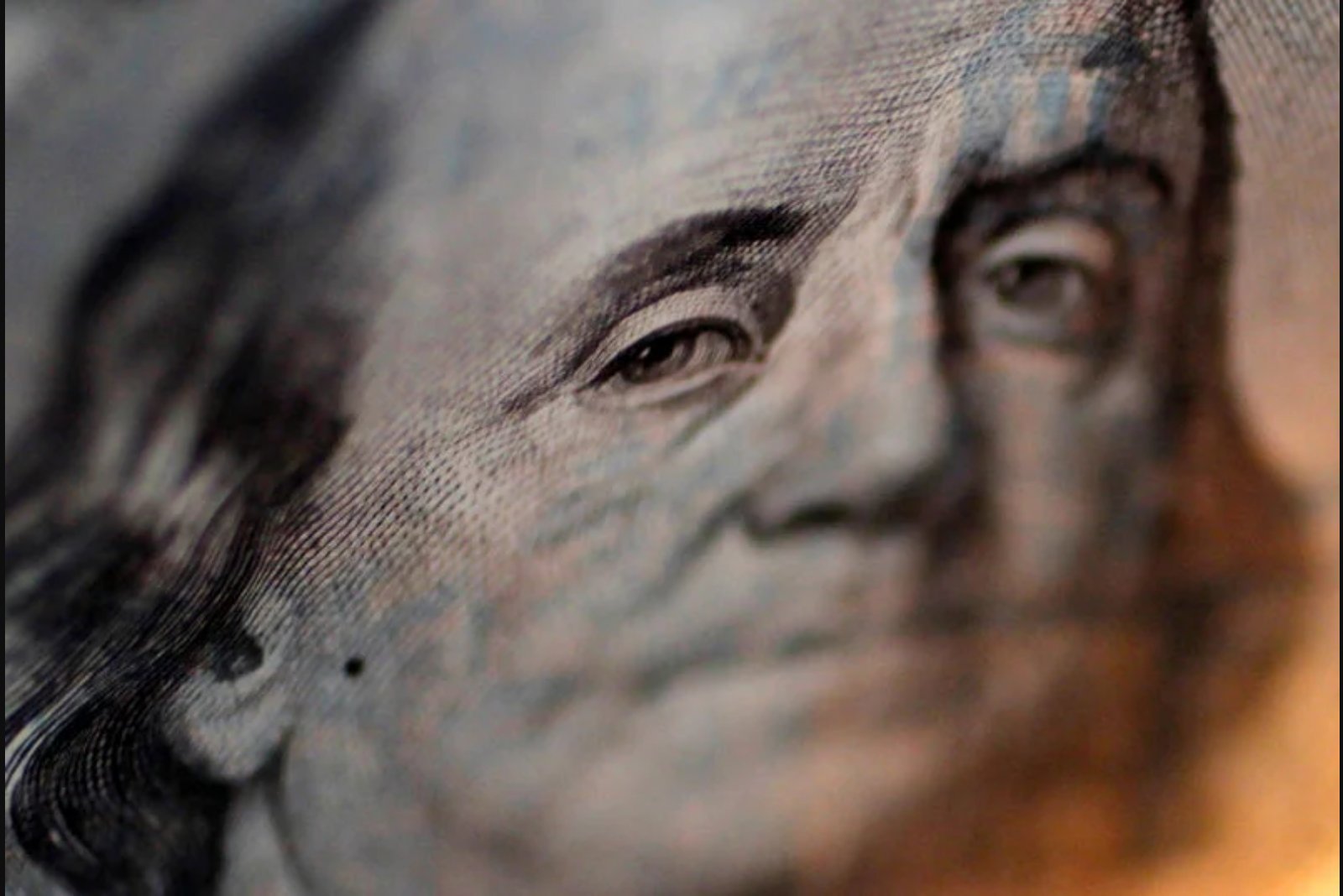
Emerging-market currencies extended a run of strength on Friday, with several benchmarks reaching new records and the sector on track for an eighth straight week of gains. MSCI’s emerging markets currency index rose 0.3% as a softer dollar continued to underpin flows into risk-sensitive assets.
U.S. Treasury yields climbed again after a Treasury intervention midweek that provided only short-lived relief from selling pressure. The increase in yields came even after U.S. Treasury Secretary Scott Bessent indicated the government could boost Treasury buybacks and raised the prospect of fiscal consolidation. Despite those remarks, the dollar remained close to multi-month lows and appeared set for broad weekly losses amid concerns that rising U.S. debt levels and policy uncertainty could erode the currency’s purchasing power.
Geopolitical tensions also kept inflationary risks on market participants’ radars. A diplomatic impasse in the Gulf - with the U.S. threatening what it described as the toughest sanctions in history on Iran - remained an active focus for investors assessing near-term price pressures.
Equities linked to emerging markets moved higher in tandem with currency strength. MSCI’s emerging markets stock index rose 1.3% on the day and was positioned for a second consecutive weekly gain. Regional equity moves were mixed: in Asia, South Korea’s KOSPI and Taiwanese shares ticked up, although both were still on track to record weekly losses of roughly 1%.
Currency moves in specific markets were notable. The South Korean won climbed 0.9% to an 11-month high and was poised for a weekly advance of more than 2%. The Taiwan dollar gained 0.7%. China’s yuan hovered near a 3-1/2-year peak. On the Chinese equity front, the Shanghai Composite was largely unchanged while the blue-chip CSI 300 index rose 0.6%.
Chinese policymakers signaled the potential for additional fiscal action. Vice Finance Minister Liao Min said today that China will roll out extra fiscal measures in response to evolving economic conditions as growth slows in the world’s second-largest economy.
In emerging Europe, the Czech koruna strengthened by 0.4% against the euro and Czech equities rose 0.5%. That movement occurred after the Czech finance ministry lowered its economic growth outlook on Thursday. Poland’s zloty advanced 0.2% while Polish stocks climbed 0.8%; the government has proposed raising the corporate tax rate for large utilities and fuel companies to 30% in 2027, according to a state news agency report. Hungarian markets were closed for a public holiday.
Turkey stood out for larger single-day moves: Turkish equities rose 0.8% and the lira strengthened 2.1% after a business confidence reading for manufacturers increased to 102.8 points in August, a level that signals optimism when the index is above 100.
Overall, the market narrative this week combined a softer dollar and improving sentiment toward risk assets with renewed upward pressure on U.S. Treasury yields. That juxtaposition left emerging-market currencies and stocks generally firmer, though regional divergences and geopolitical risks remained important variables for investors to monitor.