
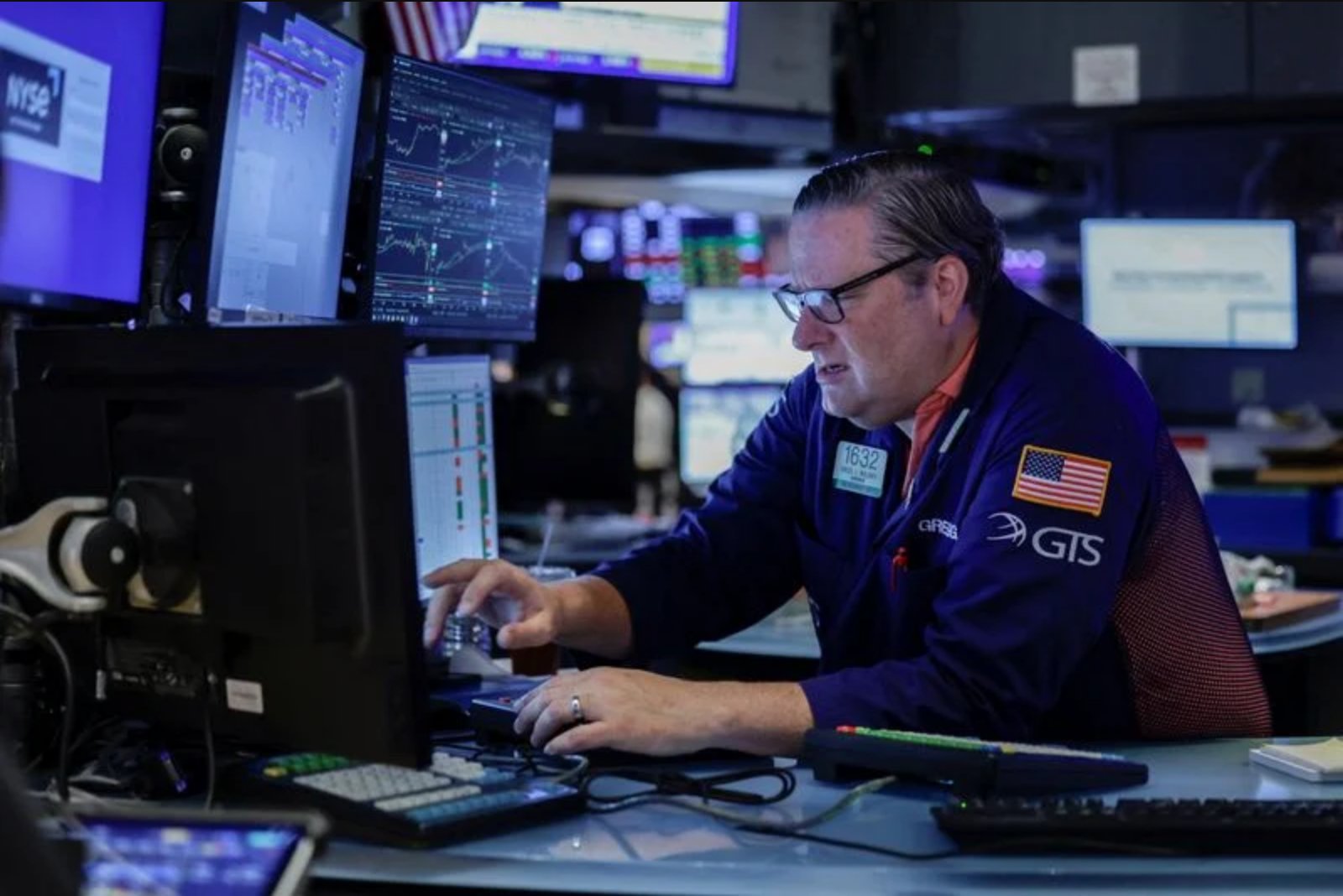
One of the more memorable lines in American political lore captures the current mood in fixed income markets: as the quip goes, the bond market can intimidate everybody. That observation feels especially apt this week as a pronounced global selloff in government bonds - especially at the long end of the yield curve - has rattled investors across the United States, Europe and Japan.
U.S. Treasuries drew the most attention. The 30-year Treasury yield climbed to roughly 5.34%, a level not recorded since 2007, prompting alarm among policy makers and market participants. While similar upward pressure on long-dated yields was seen in other advanced economies, the focus remained on how the U.S. market was reacting and what it might portend for borrowing costs and fiscal sustainability.
Observers point to a variety of potential triggers behind this surge in long-term yields. Concerns about the U.S. fiscal picture and a substantial debt accumulation linked in part to large-scale spending by hyperscale AI adopters are among the explanations cited. Another prominent source of investor unease - and perhaps confusion - is uncertainty about how the Federal Reserve under its new chair, Kevin Warsh, views the inflation challenge and plans to steer inflation back toward the 2% objective. Market participants continue to debate the Fed's so-called "reaction function" - how the central bank will adjust policy in response to changing economic signals - and that uncertainty has left investors unsettled.
The political apparatus in Washington reacted swiftly. In an effort to exert downward pressure on long-term yields, Treasury Secretary Scott Bessent announced a doubling of the government's buyback program for 10- to 30-year Treasuries, raising the minimum operation size to at least $4 billion. The initial market response to that move was immediate: the 30-year yield fell by about 10 basis points on the announcement, a likely reflection of surprise and the temporary demand the program generated. However, the respite was short-lived, with yields resuming their ascent shortly thereafter. Secretary Bessent indicated the buyback operations could be expanded further.
Even with potential increases in buyback activity, officials and market participants acknowledge that these interventions are likely to provide only short-term relief. Lasting mitigation of upward pressure on yields, many argue, will require Washington to confront the underlying growth of its debt and persistent budget deficits. Secretary Bessent alluded to new plans for fiscal consolidation as part of the broader response, but concrete steps will face political challenges.
The arithmetic behind the concern is visible in headline figures. Total U.S. debt surpassed $40 trillion for the first time, a level approximately double the size recorded when President Trump first entered the Oval Office in 2017. That increase is attributed in the article to fiscal largesse by administrations of both major parties. While tariff revenue initially provided a boost to receipts, a judicial decision in February that struck down many of those levies has reversed some of that effect.
More immediately, the federal deficit in July reached $432 billion, the highest monthly shortfall since March 2021, reflecting tariff refunds that turned customs receipts negative for the third straight month. When viewed relative to the economy, the total debt stock has risen to around 120% of gross domestic product, compared with roughly 102% in 2017. That share remains below the peak reached during the Covid-19 crisis - about 126% in 2020 - but the combination of higher policy rates and a larger debt stock has pushed annual interest payments above $1 trillion, a dynamic that understandably makes bond investors anxious.
Some market participants might assume the recent repricing of interest rates was driven by concerns about immediate inflationary pressures. Energy markets have added to that narrative to some extent: crude oil prices have moved back above $93 a barrel as traders factor in the potential for a prolonged crisis in the Hormuz region. Still, conventional measures of inflation expectations embedded in market prices remain subdued, complicating the interpretation of rising yields.
At the same time, prices for refined petroleum products have stayed high even if crude remains below prior intraday peaks. The premium for U.S. diesel futures over WTI crude - known as the diesel crack - topped $100 per barrel for the first time on Monday, a sign that refined product markets are tight. Because global inventories are depleted and many refineries in the Gulf and in Russia have suffered extensive damage, relief for motorists and businesses reliant on refined fuels appears distant unless there is a meaningful shift in operational capacity or inventory replenishment.
Policy makers in Washington have also signaled a willingness to escalate pressure on nations and entities perceived to be propping up adversarial actors. The administration conveyed an intent to levy economic penalties on any country providing a lifeline to Iran, and Secretary Bessent is expected to unveil measures he described as "the toughest sanctions in history" against Tehran next week. The article notes the administration's belief that Iran may be increasingly vulnerable to economic pain, and that strategy underpins some of the heightened tensions influencing energy markets.
Equities did not escape the fallout from the bond market gyrations: stock markets were mostly weaker this week amid the rise in yields. In U.S. equities, chipmakers led technology firms lower on Tuesday, and a rare earnings miss from a major retailer on Thursday - specifically Walmart - fueled concerns about the strength of U.S. consumers.
Beyond the broad market moves, a number of striking individual stock stories emerged. A leading Chinese humanoid robot maker, Unitree, saw its share price surge nearly sixfold on Wednesday after listing on the Shanghai exchange. In the United States, shares of pharmaceutical company Moderna nearly tripled following the announcement of a cancer vaccine breakthrough in collaboration with Merck - a development market commentators described as potentially transformative for treatment approaches.
Looking ahead, market attention will remain divided. Nvidia is scheduled to report second-quarter earnings on Wednesday, a corporate event likely to command investor focus. Yet the calendar will also feature the Federal Reserve's annual symposium in Jackson Hole, Wyoming, beginning on Thursday - a forum where policy makers and economists exchange views on monetary strategy. Minutes from the Fed's July meeting released earlier in the week suggested policy makers may be more inclined toward restrictive settings than the 6-3 vote split alone indicated, with "several" members appearing ready to raise interest rates further.
Investors and officials will also await July's personal consumption expenditures inflation data next week. Should those figures point to a renewed pickup in inflation, the possibility of an unexpected rate increase in September could not be ruled out, the article suggests, given the Fed's sensitivity to incoming inflation signals.
Bottom line - Long-term bond yields have surged to multi-decade highs, prompting an expanded Treasury buyback program and heightened scrutiny of fiscal and monetary policy. While buybacks may provide temporary relief, market participants emphasize that durable stability will depend on addressing the broader debt trajectory and inflation dynamics that together influence yields and borrowing costs.